Quick Answer
A curly dry haircut is a haircut done while your curls are dry and sitting in their natural shape. It helps the stylist see your real curl pattern, shrinkage, volume, and face-framing shape before removing length.
This cut is especially helpful for people with wavy, curly, coily, dense, layered, or uneven curl patterns. It can reduce surprise shortness, improve balance, and make your curls easier to style at home.
What Is a Curly Dry Haircut?
A curly dry haircut is a cutting method where the stylist shapes your hair while it is dry, defined, and close to how you normally wear it. Instead of stretching the curls wet, the stylist sees how each curl actually falls.
This matters because curly hair often looks much longer when wet. Once it dries, it can spring up, widen, flatten, or shrink unevenly. A dry cut helps the stylist work with your real curl shape instead of guessing.
A good dry curly cut can help with:
• Uneven curl shrinkage
• Triangle-shaped hair
• Heavy ends
• Flat roots
• Bulky sides
• Disconnected layers
• Curly bangs
• Face-framing pieces
• Short curly cuts
• Long curls that need shape
The goal is not just to “trim curls.” The goal is to build a shape that works when your hair is fully dry, styled, and moving naturally.
Why Curly Hair Is Often Cut Dry
Curly hair behaves differently from straight hair. Wet curls stretch. Dry curls shrink, bend, and sit in their own pattern.
That is why many curl-trained stylists prefer to check the shape dry, especially for bangs, layers, bobs, pixies, shags, wolf cuts, and major reshaping.
When curls are dry, your stylist can see:
• Where the hair naturally lifts
• Which curls shrink the most
• Which side is fuller or flatter
• Where the ends look thin
• Where layers create shelves
• How the curls frame your face
• How much length should really come off
• Whether the shape looks balanced from the front, side, and back
This makes dry cutting useful for people who have had bad experiences with wet curly cuts that looked fine in the salon but dried too short, too wide, or uneven.
Curly Dry Haircut vs Wet Cut vs Hybrid Cut
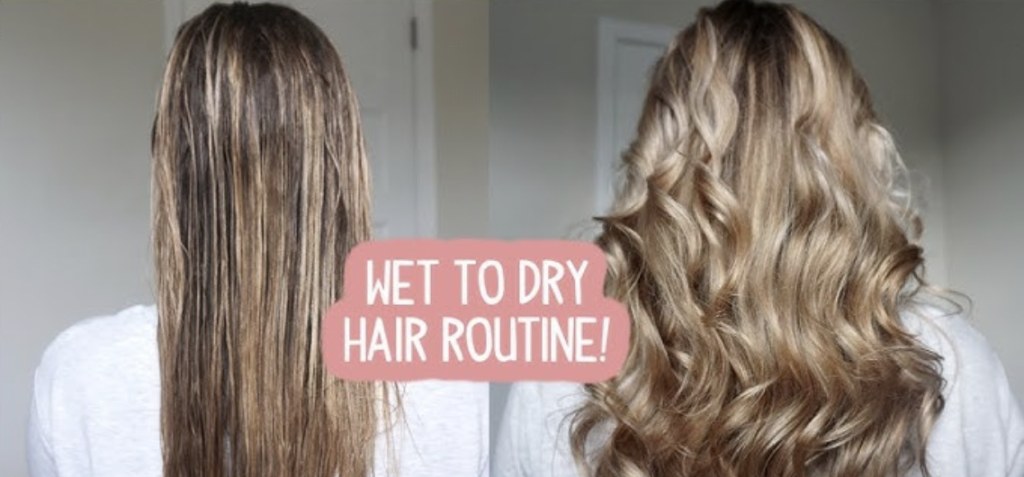
Not every curly haircut must be dry from start to finish. The best method depends on your curl pattern, density, length, damage, and styling habits.
Some stylists use a dry cut only. Others use a wet cut for structure, then dry the curls and refine the shape. This is often called a hybrid curly cut.
| Cutting Method | Best For | Main Benefit | Watch Out For |
|---|---|---|---|
| Dry curly cut | Natural curls, shrinkage, bangs, face framing | Shows the final curl shape while cutting | May look different if hair is worn straight |
| Wet curly cut | Loose waves, structured shapes, precise lines | Gives a clean base shape | Can hide shrinkage and curl behavior |
| Hybrid curly cut | Dense curls, major reshaping, mixed patterns | Combines structure with dry detail work | Needs a stylist who understands curls well |
A dry cut is not automatically better than every wet cut. A skilled stylist matters more than the label. The best question is: Can this stylist shape my curls the way I actually wear them?
How a Curly Dry Haircut Appointment Usually Works
A strong curly dry haircut should start with a real consultation. Your stylist should look at your hair dry before washing, stretching, or clipping it away.
They should ask about your routine, your preferred part, your styling products, your shrinkage, and whether you wear your hair curly, stretched, straightened, or pulled back.
A typical curly dry haircut may include:
• Dry consultation: The stylist checks your curl shape, density, and goals.
• Shape planning: You discuss length, layers, bangs, and face framing.
• Dry cutting: The stylist shapes the curls in their natural state.
• Wash or refresh: Some salons cleanse after the first dry cut.
• Styling: Curls are styled with your natural pattern in mind.
• Drying: Hair may be diffused or air-dried enough to check shape.
• Final detailing: The stylist makes small corrections after the curls settle.
If a stylist wants to wet your curls immediately without seeing them dry first, ask how they plan for shrinkage. That question can save your haircut.
Deva Cut vs Rezo Cut vs Ouidad Cut

Many people searching for a curly dry haircut also hear terms like Deva Cut, Rezo Cut, and Ouidad Cut. These are different curly cutting approaches, not one universal haircut.
The best choice depends on your hair goals. Some people want volume. Some want definition. Some need bulk control. Some simply need a stylist who will not cut their curls too short.
| Method | Common Focus | Often Best For | Key Question to Ask |
|---|---|---|---|
| Deva Cut | Dry, curl-by-curl shaping | Natural curl shape, shrinkage, face framing | “Will you cut my curls dry in their natural pattern?” |
| Rezo Cut | Rounded shape, volume, balance | Fuller curls, long layers, rounder silhouettes | “Will this give me lift without losing too much length?” |
| Ouidad Cut | Bulk control and curl pattern support | Dense curls, controlled shape, structured styling | “Will this method remove weight without thinning my curls too much?” |
| Hybrid Cut | Wet structure plus dry refinement | Mixed curl patterns, dense hair, major reshaping | “Will you check the final shape dry before I leave?” |
Do not choose a method only because it is popular. Choose based on your curl type, density, lifestyle, and the stylist’s actual experience.
Who Should Get a Curly Dry Haircut?
A curly dry haircut can help many curl types, but it is especially useful when your hair changes a lot from wet to dry.
If your curls shrink, expand, or sit unevenly, dry cutting gives your stylist a clearer picture of the finished shape.
You may be a good candidate if:
• Your curls shrink a lot after drying.
• Your hair looks uneven after wet cuts.
• Your curls form different patterns across your head.
• Your layers often look disconnected.
• Your hair gets wide near the bottom.
• Your curls feel heavy or flat at the crown.
• You want curly bangs or face-framing pieces.
• You wear your hair natural most days.
• You want a bob, pixie, shag, wolf cut, or layered shape.
• You want less guesswork during the haircut.
A dry cut is also helpful if you are nervous about losing too much length. The stylist can remove less hair at first, then refine slowly.
Who Should Be Careful With a Dry-Only Cut?
A dry-only cut is not always the best answer. Some people need a hybrid method, especially if the hair needs a strong base shape.
If your hair is very damaged, extremely uneven, very dense, or often worn straight, tell your stylist before the cut begins.
Be careful with dry-only cutting if:
• You straighten your hair often.
• Your hair is severely damaged or fragile.
• Your ends are very uneven from past cuts.
• You want a sharp blunt bob.
• Your curl pattern changes due to heat or chemical services.
• Your hair is very dense and needs structural weight control.
• You want a major transformation from long to very short.
• Your stylist cannot explain their curl-cutting plan.
This does not mean you cannot get a dry cut. It means your stylist may need to combine dry shaping with wet structure or detailed finishing.
Best Curly Dry Haircut Ideas by Length
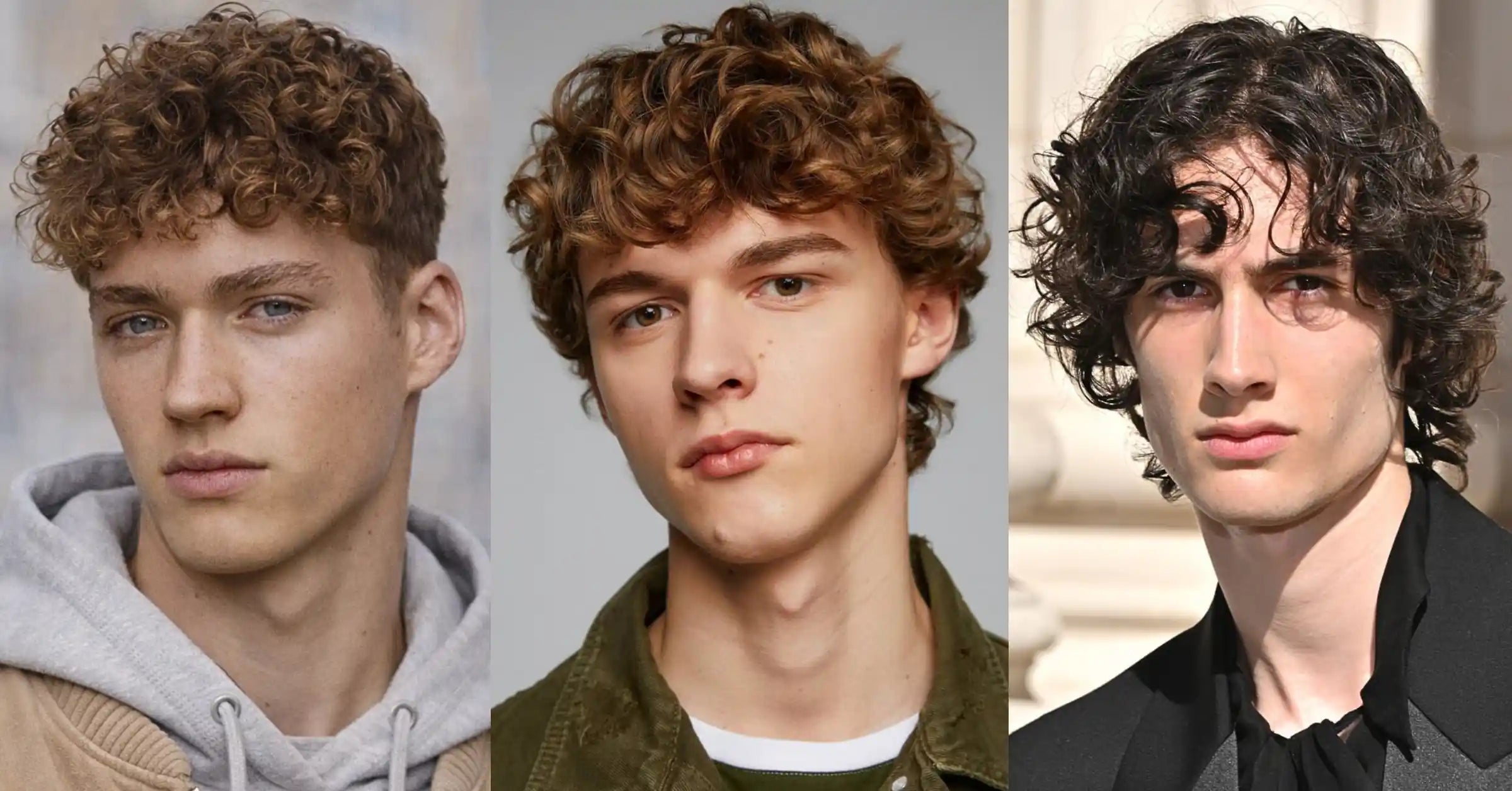
The right curly dry haircut depends on your length, curl pattern, density, and daily routine. A cut that looks easy on loose waves may need more shaping on tight curls or coils.
Use these ideas as salon inspiration, not strict rules. Bring photos, but ask your stylist to adapt the shape to your real curls.
Short Curly Dry Haircuts
Short curly cuts need careful planning because shrinkage is more visible. Even half an inch can change the whole shape.
Good short options include:
• Curly pixie: Best for bold shape, light styling, and strong curl definition.
• Tapered curly cut: Shorter sides with fuller curls on top.
• Curly bixie: A soft mix of bob and pixie with face-framing movement.
• Rounded crop: Great for coils and dense curls that need shape.
• Short curly shag: Adds crown lift and texture without heavy length.
• Curly crop with fringe: Works well when bangs are cut longer first.
• Low-maintenance short curls: Best when the outline grows out softly.
Ask your stylist: “Please leave enough length for my curls to spring up after the cut.”
Medium Curly Dry Haircuts
Medium curly hair is one of the easiest lengths to customize. It gives enough length for shape but does not feel as heavy as long curls.
Good medium options include:
• Shoulder-length curly cut: Great for everyday wear and easy styling.
• Curly lob: A collarbone-length cut that works for many curl types.
• Medium round layers: Helps curls look full without a heavy bottom.
• Face-framed medium curls: Softens the front without full bangs.
• Shag-lite curls: Adds texture without making the cut too choppy.
• Side-parted medium curls: Adds lift and helps balance round faces.
• Medium curls with curtain bangs: Good if you like soft movement around the face.
Ask your stylist: “Shape the sides so my hair does not get too wide at the ends.”
Long Curly Dry Haircuts
Long curls can look beautiful, but they can also get heavy. Too much weight can pull the curl pattern down and flatten the roots.
Good long options include:
• Long curly layers: Removes weight while keeping length.
• Waterfall layers: Creates soft movement through long curls.
• Butterfly-inspired curly layers: Adds face-framing lift while preserving length.
• U-shaped curly cut: Keeps the ends full and natural.
• Long curls with curtain pieces: Gives shape without full bangs.
• Long rounded layers: Helps dense curls look balanced from all angles.
• Long shag curls: Adds movement for thick hair that feels heavy.
Ask your stylist: “Please remove weight without making my ends look thin.”
Layered Curly Dry Haircuts
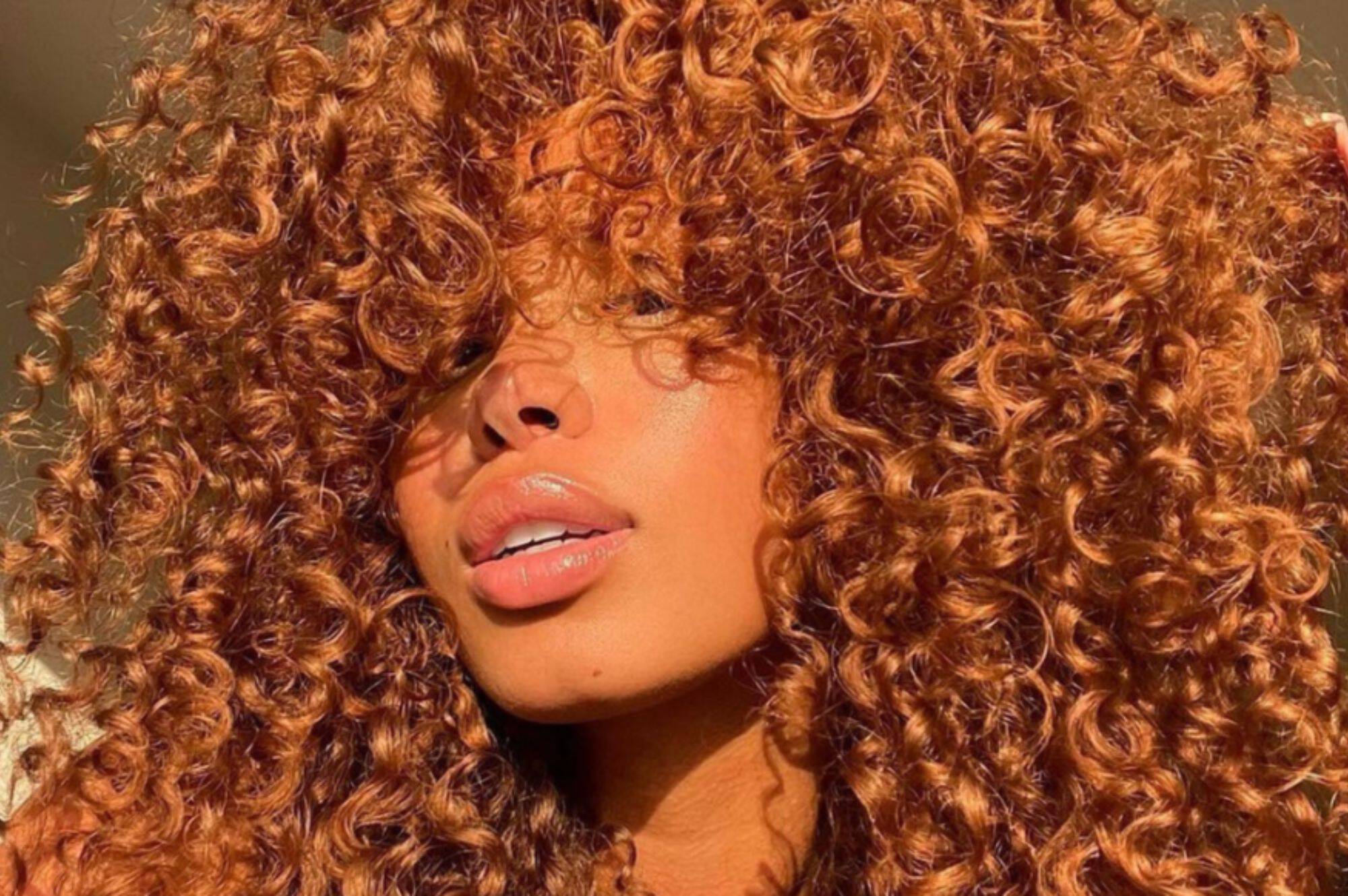
Layers can make curls look lighter, fuller, and more defined. But curly layers must be placed carefully.
If the shortest layer sits too high, it can create a shelf. If the ends are thinned too much, curls may look stringy.
Best layered options include:
• Long connected layers: Best for keeping length and adding movement.
• Round layers: Great for balanced volume around the head.
• Low layers: Good for long curls that need gentle shape.
• Crown layers: Helpful for flat roots, but should be blended well.
• Hidden layers: Removes weight without changing the outside shape too much.
• Face-framing layers: Adds movement around cheeks, jaw, and collarbone.
• Internal layers: Useful for dense curls when done by a curl-trained stylist.
• Soft shag layers: Adds texture without harsh separation.
Fine Curls
Fine curls usually need fewer layers. Too much cutting can make the ends look thin.
Ask for soft, connected layers and a full bottom line.
Thick Curls
Thick curls often need weight removal, but not aggressive thinning.
Ask for balanced internal shaping instead of deep chunks or random thinning shears.
Curly Bob and Lob Dry Haircuts
A curly bob can look modern, soft, bold, or classic. The key is controlling where the curl shape widens.
A curly lob is usually easier to manage than a short bob because it leaves more room for shrinkage and styling.
Popular options include:
• Jaw-length curly bob: Bold and defined, but needs careful dry checking.
• Chin-length curly bob: Best for curls with moderate shrinkage.
• Rounded curly bob: Soft shape with even fullness.
• French curly bob: Short, airy, and often paired with light fringe.
• Shaggy curly bob: Good for fine curls needing texture.
• Curly lob: Great for low-maintenance shape and easy grow-out.
• A-line curly lob: Slightly longer front pieces help lengthen the face.
• Bob with curtain bangs: Soft and current, but needs more styling attention.
Best for: medium to thick curls, loose to springy curl patterns, and anyone ready for a clear shape.
Be careful if: your curls shrink strongly or you often wear your hair straight.
Curly Pixie and Bixie Dry Haircuts
A curly pixie can feel freeing, but it needs the right shape. The top should be long enough for your curl pattern to show.
A bixie gives a softer grow-out because it keeps more length around the face and nape.
Strong options include:
• Soft curly pixie: Light, shaped, and easy to refresh.
• Long-top curly pixie: Keeps height and movement.
• Tapered curly pixie: Neat sides with fuller curls on top.
• Curly bixie: Great if you want short hair without going too cropped.
• Side-swept curly pixie: Helps soften strong jawlines.
• Coily pixie shape: Keeps texture full and rounded.
• Pixie with micro fringe: Bold, but higher maintenance.
• Undercut curly pixie: Removes bulk, but needs regular cleanup.
Ask your stylist: “Cut the top dry so the curls do not shrink shorter than I expect.”
Curly Shag and Wolf Cut Dry Haircuts
The curly shag and curly wolf cut are popular because they add shape, volume, and movement. They work best when the layers are blended for your curl pattern.
A shag is usually softer and more balanced. A wolf cut has more contrast between the crown and ends.
Good options include:
• Soft curly shag: Gentle layers with easy grow-out.
• Medium curly shag: Good for shoulder-length curls needing lift.
• Long curly shag: Adds movement without losing length.
• Curly wolf cut: Fuller top with lighter ends and bold texture.
• Shag with curly bangs: Great for a lived-in face frame.
• Wolf cut without bangs: Easier for low-maintenance styling.
• Coily shag: Best with rounded blending, not harsh gaps.
• Fine curly shag: Needs light layering to avoid thin ends.
What Can Go Wrong
A bad curly shag can create short top layers, thin ends, or a shelf around the crown.
Ask your stylist: “I want texture, but I do not want my curls hollowed out.”
Curly Bangs and Face-Framing Dry Cuts
Curly bangs should be cut with patience. They can look long while stretched, then bounce much higher once dry.
That is why dry checking matters. The stylist should start longer, let the curls settle, and refine slowly.
Good options include:
• Curly curtain bangs: Soft, parted fringe that blends into layers.
• Airy curly fringe: Light curls across the forehead.
• Brow-grazing curls: Best when cut longer first.
• Side curly fringe: Easier to grow out than full bangs.
• Cheekbone face frame: Adds shape without full fringe.
• Jawline face frame: Softens the lower face.
• Long curtain pieces: Best for people nervous about bangs.
• Micro curly bangs: Bold and high maintenance.
Curly Bangs Tip
Do not ask for bangs based only on straight-hair photos. Curly bangs need space for spring factor, density, and daily refresh work.
Ask your stylist: “Please cut my bangs dry and leave room for shrinkage.”
Curly Dry Haircuts by Face Shape

Face shape should guide balance, not limit your choices. Any face shape can wear curls well with the right shape.
The goal is not to hide your face. The goal is to place volume, layers, and length where they feel most flattering.
| Face Shape | Best Curly Dry Haircut Ideas | What to Ask For |
|---|---|---|
| Round face | Crown lift, longer side pieces, curly lob | “Add height, not too much width near my cheeks.” |
| Oval face | Most curly cuts, layered bobs, long layers | “Keep the shape balanced from all sides.” |
| Square face | Soft fringe, cheekbone layers, rounded curls | “Soften the corners without cutting too short.” |
| Heart face | Chin-length curls, curtain bangs, collarbone layers | “Balance the forehead with soft lower volume.” |
| Long face | Side volume, curly bangs, medium layers | “Avoid too much height at the crown.” |
| Diamond face | Cheekbone frames, soft sides, curly bob | “Add softness around the cheekbones.” |
If you are unsure, choose a medium curly cut with soft face framing. It is one of the safest starting points.
Curly Dry Haircuts by Curl Type
Curl type helps, but it is not the whole story. Density, shrinkage, porosity, damage, and styling habits also matter.
Many people have more than one curl pattern on their head. A dry haircut helps the stylist see those differences before cutting.
Wavy Hair
Wavy hair can benefit from dry shaping because waves often bend unevenly. Long layers, lobs, and soft shags work well.
Avoid too many short layers if your waves fall flat easily.
Loose Curls
Loose curls often do well with long layers, face frames, and shoulder cuts. The goal is movement without losing fullness.
Ask for connected layers instead of choppy separation.
Springy Curls
Springy curls need shrinkage planning. Medium layers, rounded cuts, and dry-cut bangs can work well.
Ask the stylist to cut less first, then adjust after the curls settle.
Tight Curls
Tight curls need extra length left during the first pass. A small cut can look much shorter once dry.
Rounded shapes, long layers, and careful face framing are strong choices.
Coily Hair
Coily hair can look beautiful with rounded dry shaping, tapered cuts, pixies, and full layered shapes.
Avoid aggressive thinning. Ask for fullness, balance, and enough length for shrinkage.
Mixed Curl Patterns
Mixed curls need custom cutting. The tighter areas may need less length removed than looser areas.
Ask the stylist to shape each area based on how it actually dries.
Low-Maintenance Curly Dry Haircuts
Low maintenance does not mean no styling. It means the cut still looks good with a simple routine.
The easiest curly dry haircuts usually have soft layers, no extreme bangs, and a shape that grows out well.
Good low-maintenance choices include:
• Curly lob: Easy to wear down or tie back.
• Shoulder-length rounded cut: Simple, balanced, and practical.
• Long soft layers: Keeps length while reducing heaviness.
• Face frame only: Adds change without a full transformation.
• Bang-free shag-lite: Adds texture without daily fringe work.
• Soft U-shaped cut: Keeps ends full and easy to manage.
• Medium layered curls: Gives bounce without extreme upkeep.
• Tapered short curls: Easy if you like regular shape cleanups.
Easy Styling Routine
• Apply product to damp hair.
• Scrunch gently.
• Air-dry or diffuse.
• Avoid touching curls while drying.
• Refresh flat pieces with water.
• Trim before the shape gets heavy.
Ask your stylist: “I want a shape that works on busy mornings.”
Curly Dry Haircuts for Men
A curly dry haircut can help men avoid tops that shrink too short or sides that look uneven after drying.
This matters for curly fades, tapers, fringe cuts, and longer textured tops.
Good options include:
• Curly taper: Clean neckline and sides with natural top shape.
• Low fade with curls: Keeps sides neat while leaving curl volume.
• Mid fade curly cut: Adds sharper contrast.
• Curly crop: Short, textured, and easy to style.
• Curly fringe: Lets curls fall forward with shape.
• Long top curls: Keeps movement and personality.
• Rounded curly shape: Great for dense curls and coils.
• Wavy low fade: Works well for loose curls and waves.
• Curly undercut: Bold contrast, but higher upkeep.
Barber wording: “Shape the top dry so my curls do not shrink too short.”
Curly Dry Haircut Cost in the USA
The cost of a curly dry haircut in the USA depends on location, stylist training, appointment length, and whether styling is included.
A curl-specialty cut often costs more than a basic trim because it may include consultation, dry shaping, washing, styling, drying, and final detailing.
Common price factors include:
• City and salon location
• Stylist experience
• Curl-specialty training
• Hair length and density
• First visit versus maintenance visit
• Wash and styling services
• Diffusing time
• Final dry detailing
• Bangs, major reshaping, or transformation cuts
In many U.S. markets, a basic curly cut may cost less than a specialty Deva, Rezo, or Ouidad-style appointment. High-end curl specialists in major cities may charge more, especially for first-time clients.
Before booking, ask:
• “What is included in the price?”
• “Is styling included?”
• “How long is the appointment?”
• “Is the first visit more expensive?”
• “Do you charge more for dense or long hair?”
• “Will you do a dry shape check before I leave?”
This helps avoid surprise costs and rushed appointments.
How to Choose a Curly Hair Specialist
The right stylist is more important than the trend name. A great curly dry haircut depends on training, communication, and patience.
Look for a stylist who can explain their process clearly. They should understand shrinkage, density, curl families, and how your hair behaves dry.
Signs of a good curl specialist:
• They ask how you wear your hair daily.
• They check your curls before washing.
• They ask about shrinkage and past haircut issues.
• They explain dry, wet, or hybrid cutting choices.
• They show examples of similar curl patterns.
• They do not rush the consultation.
• They avoid removing too much length at once.
• They ask before cutting bangs or short layers.
• They explain styling after the cut.
• They check the final shape when curls are dry.
Red flags include:
• They wet your hair immediately without looking at it dry.
• They promise one method works for every curl type.
• They use thinning shears without explaining why.
• They dismiss your shrinkage concerns.
• They cut bangs while stretched and very wet.
• They cannot show curly-hair examples.
• They ignore how you style your hair at home.
What to Ask Your Stylist
Good salon wording can save your haircut. Photos help, but clear questions help even more.
Bring photos of the shape you like, your current hair, and one cut you do not want. This gives your stylist a better target.
Use these phrases:
• “I wear my hair curly most days.”
• “Please look at my hair dry before washing it.”
• “How much shrinkage should we plan for?”
• “Can we start longer and adjust slowly?”
• “Where will the shortest layer sit when dry?”
• “Will this cut work if I air-dry?”
• “Can you keep my ends full?”
• “Can you avoid thinning my curls too much?”
• “How will this look if I wear it stretched?”
• “What shape do you recommend for my curl density?”
• “How often will this need maintenance?”
• “Can you show me how to style this at home?”
Simple Stylist Script
“I want a curly dry haircut that works with my natural curl pattern. I want more shape and movement, but I do not want to lose too much length. Please check my shrinkage, keep my ends full, and cut slowly around the front.”
How to Prepare for a Curly Dry Haircut
Preparation matters. Your stylist needs to see your curls in their real shape.
Do not arrive with hair that is stretched, slicked back, heavily oiled, or tied tightly. That can hide your curl pattern.
Before your appointment:
• Wash your hair based on your salon’s instructions.
• Arrive with hair fully dry.
• Detangle gently before the visit.
• Style your curls close to your normal routine.
• Avoid tight buns, ponytails, hats, and clips.
• Avoid heavy oils or sticky product buildup.
• Bring goal photos from the front, side, and back.
• Bring photos of cuts you dislike.
• Tell your stylist if your curls shrink unevenly.
• Mention if you straighten your hair sometimes.
• Share your normal styling time.
• Be honest about how much upkeep you want.
If your salon has its own prep rules, follow those first.
How to Style and Maintain a Curly Dry Haircut
A great cut should make styling easier, but curls still need care. Your routine does not need to be complicated.
Start simple after your haircut. Learn how the new shape dries before adding extra products or tools.
Basic styling tips:
• Style on damp hair unless your stylist says otherwise.
• Use enough water before adding product.
• Apply product evenly through the curls.
• Scrunch gently to support shape.
• Diffuse for more volume.
• Air-dry for a softer finish.
• Avoid touching curls while they dry.
• Refresh flat curls with water or light mist.
• Protect curls loosely while sleeping.
• Trim when the shape starts to feel heavy.
Maintenance depends on the cut:
| Cut Type | Typical Maintenance Need |
|---|---|
| Curly bangs | Most frequent shaping |
| Pixie or tapered cut | Regular cleanup needed |
| Curly bob | Moderate upkeep |
| Curly lob | Easier grow-out |
| Long layers | Lower maintenance |
| Shag or wolf cut | Needs shape checks as layers grow |
Book trims based on shape, not just the calendar. If the curls lose lift, the ends feel bulky, or the layers stop connecting, it is time for a refresh.
Signs of a Good Curly Dry Haircut
A good curly dry haircut should look balanced when your hair is fully dry. It should also feel easier to style at home.
The best result is not always a dramatic change. Sometimes the best cut simply makes your curls sit better.
Signs your cut is working:
• Your curls fall into shape with less effort.
• The ends look full, not stringy.
• Layers connect instead of forming shelves.
• The shape looks balanced from the front and back.
• The face-framing pieces sit where you expected.
• Your curls have more lift without looking thin.
• Your hair feels lighter but not hollow.
• Bangs are not much shorter than planned.
• Your usual styling routine still works.
• The cut grows out without looking messy too soon.
If something feels off, take photos after styling at home. Then contact the salon and explain the issue clearly.
Common Curly Dry Haircut Mistakes
Even a dry cut can go wrong if it is rushed or poorly planned. Curls need patience.
Most bad results come from cutting too much too fast, ignoring shrinkage, or using the wrong layer placement.
Common mistakes include:
• Cutting bangs too short
• Removing too much from the ends
• Creating short shelf layers
• Over-thinning dense curls
• Ignoring mixed curl patterns
• Cutting based only on wet length
• Not checking the back shape
• Making the face frame too steep
• Copying a photo without adapting it
• Skipping styling guidance after the cut
• Using a method that does not fit your lifestyle
• Choosing a stylist without curl experience
The fix is simple: start longer, cut slowly, and ask for a dry shape check before the appointment ends.
Mini Examples: Choosing the Right Curly Dry Cut
Real-life examples can make haircut choices easier. Use these as starting points for your salon conversation.
Fine 2C–3A Waves
Choose a curly lob, soft layers, or light face framing. Avoid heavy thinning because fine waves can look sparse at the ends.
Ask for: “Soft movement, but keep my bottom line full.”
Dense 3B–3C Curls
Choose round layers, a curly shag, or a shaped shoulder cut. Dense curls may need internal weight removal, but it should be careful.
Ask for: “Remove weight through the shape, but do not hollow out my curls.”
Coily 4A–4C Hair
Choose a rounded shape, tapered cut, pixie, or full layered shape. Leave enough length for shrinkage and avoid cutting the outline too tight.
Ask for: “Shape my coils dry and keep the fullness even.”
Curly Bangs Beginner
Choose long curtain bangs or a cheekbone face frame first. Full curly bangs need more daily refreshing.
Ask for: “Start longer, then refine after my curls settle.”
Round Face With Medium Curls
Choose crown lift, long curtain pieces, or a curly lob. Avoid heavy width directly at the cheeks if you want a longer look.
Ask for: “Add height and keep the sides soft.”
FAQs About Curly Dry Haircuts
Is a Curly Dry Haircut Better Than a Wet Cut?
A curly dry haircut is often better for seeing shrinkage, curl pattern, and final shape. It is especially helpful for bangs, layers, bobs, and uneven curls.
A wet or hybrid cut can still be a good choice. The best method depends on your hair, your goal, and your stylist’s skill.
What Is the Difference Between a Curly Cut and a Deva Cut?
A curly cut is a broad term for a haircut designed for curly hair. A Deva Cut is a specific dry, curl-by-curl cutting method.
Not every curly dry haircut is a Deva Cut. Some stylists use Rezo, Ouidad, hybrid, or their own curl-trained method.
Should I Wash My Hair Before a Curly Dry Haircut?
Most curl specialists want your hair clean, dry, detangled, and styled close to normal. This helps them see your real curl pattern.
Avoid tight buns, hats, heavy oils, or stretched styles before your appointment unless your salon gives different instructions.
How Much Does a Curly Dry Haircut Cost?
The price varies by city, salon, stylist level, and what is included. A specialty curly cut often costs more than a basic trim because it takes more time and detailed shaping.
Always ask whether the price includes consultation, wash, styling, drying, and final dry detailing.
Can a Curly Dry Haircut Fix Triangle Hair?
Yes, a good curly dry haircut can help reduce triangle shape. The stylist can add balanced layers and remove weight where the shape is too heavy.
The key is not just cutting the bottom shorter. The cut must lift the shape while keeping the ends full.
Can I Get a Curly Dry Haircut If I Sometimes Straighten My Hair?
Yes, but tell your stylist before the cut. A curl-by-curl shape may look different when the hair is worn straight.
If you straighten often, a hybrid cut may give better balance between curly and straight styling.
Are Curly Bangs Better Cut Dry?
Curly bangs are usually safer when checked dry because they shrink. Cutting them too short while wet or stretched can lead to a much shorter fringe than expected.
Ask your stylist to start longer, dry-check the shape, and refine slowly.
Conclusion
A curly dry haircut is one of the best ways to shape curls with less guesswork. It lets your stylist see your real curl pattern, shrinkage, volume, and face-framing needs before cutting too much.
The best result comes from choosing the right method, preparing your curls properly, and using clear salon wording. Bring photos, explain your routine, and ask your stylist to shape your curls slowly, carefully, and with your real lifestyle in mind.