
Most men either get haircuts too early or wait too long—both mistakes can ruin your style. The truth is, there’s no one-size-fits-all schedule. Your ideal haircut timing depends on your hair type, length, lifestyle, and the style you want to maintain.
In this guide, you’ll discover exactly how often men should get a haircut based on real factors like growth rate, hairstyle, and maintenance level—so you always look sharp and well-groomed.
Quick Answer
Most men should get a haircut every 2–6 weeks depending on their hairstyle and hair type. Short styles like fades need trimming every 2–3 weeks, medium hair every 3–6 weeks, and long hair every 6–12 weeks to maintain shape and health.
You May Also Like:
The Ultimate Undercut Fade Guide
How Often Should Men Get a Haircut
Haircut Frequency Chart
| Hair Type / Style | Recommended Haircut Interval |
|---|---|
| Short Hair (Fade, Crew, Buzz) | 2–4 weeks |
| Medium Hair | 3–6 weeks |
| Long Hair | 6–12 weeks |
| Curly / Wavy Hair | 4–8 weeks |
| Textured / Styled Cuts | 3–6 weeks |
Why Haircut Frequency Matters
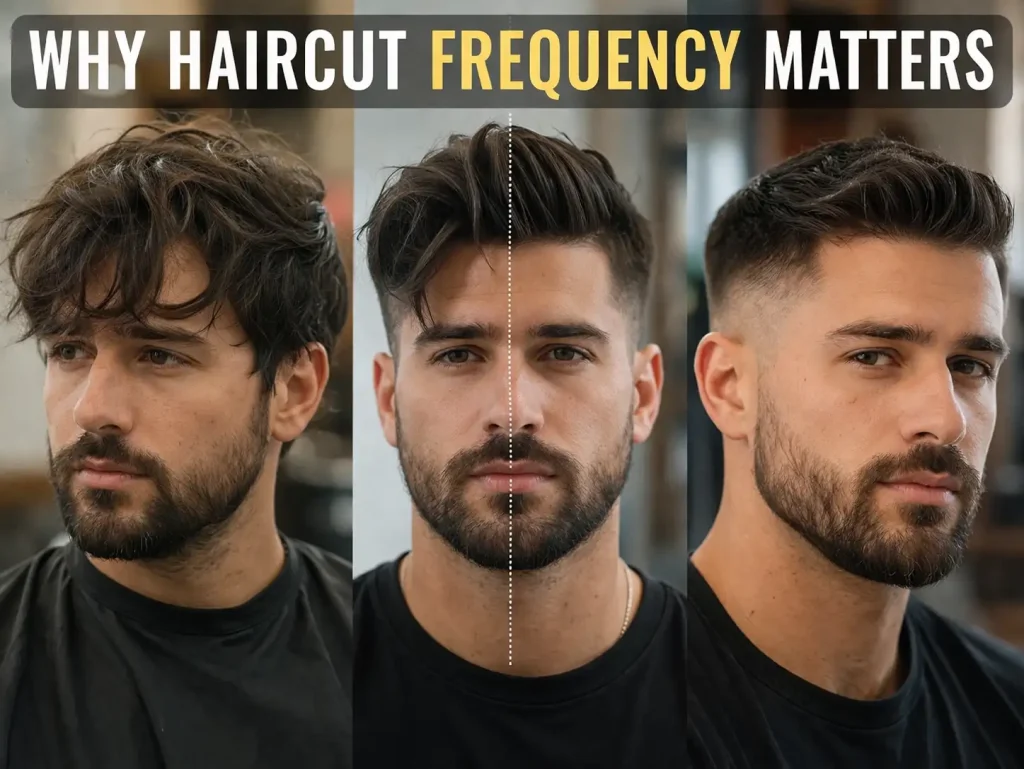
Getting a haircut isn’t just about keeping a neat appearance—it’s an essential part of maintaining healthy hair and achieving the style you want. Regular haircuts help prevent split ends, maintain shape, and ensure that your hair looks polished and well-groomed. Whether you’re sporting a fade, crew cut, or longer hairstyle, keeping a consistent trimming schedule can make a noticeable difference in both hair health and overall style.
Hair Growth Rate and Its Impact on Trimming Schedules
Hair typically grows at an average rate of about half an inch per month, though this can vary based on genetics, age, and lifestyle. Understanding your hair growth rate helps determine how often you should schedule haircuts. For instance, short hairstyles like fades require more frequent trims to maintain their sharp look, while longer hair can go several weeks between cuts without losing its style.
Common Myths: Does Trimming Hair Make It Grow Faster?
A persistent myth is that trimming your hair speeds up growth. In reality, cutting hair does not influence how fast it grows—trimming only removes split ends and keeps your hair looking healthy. Regular trims prevent breakage and damage, which can make hair appear fuller and more vibrant, giving the illusion of faster growth.
Environmental and Lifestyle Factors Affecting Hair Health
External factors also play a role in determining how often you might need a haircut. Exposure to sun, swimming pools, heat styling, or pollution can damage hair, making more frequent trims necessary. Similarly, an active lifestyle or professional appearance requirements may influence how often you maintain your haircut. By considering both your hair’s needs and your lifestyle, you can develop a schedule that keeps your hair looking its best year-round.
The Science of Hair Growth
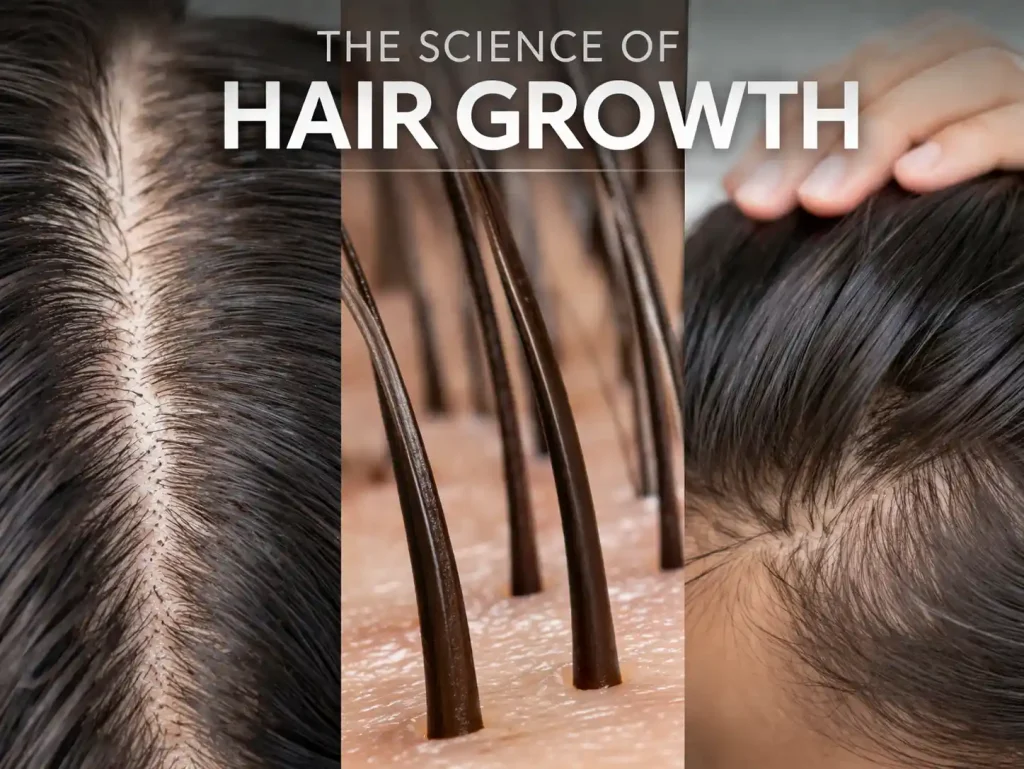
Understanding the science behind hair growth can help you determine how often you should get a haircut. Hair growth isn’t the same for everyone—it’s influenced by a variety of factors, from genetics to lifestyle. Knowing how your hair grows can make it easier to maintain your desired style and keep your hair healthy. According to professional barbers and dermatology studies, the average hair growth rate is about 0.5 inches (1.25 cm) per month, though it varies based on genetics, age, and health.
Average Hair Growth Per Month
On average, hair grows about half an inch (1.25 cm) per month, which adds up to roughly 6 inches per year. However, this rate can vary from person to person. Men with faster-growing hair may need more frequent trims, especially if they prefer short or precise hairstyles like fades or crew cuts. Longer hairstyles, on the other hand, allow for a longer interval between haircuts without compromising shape or style.
Hair Growth Factors: Age, Genetics, Nutrition, and Stress
Several factors affect how quickly your hair grows:
- Age: Hair growth often slows with age, and hair may become thinner or finer.
- Genetics: Your natural hair growth rate and density are largely determined by genetics.
- Nutrition: A diet rich in proteins, vitamins, and minerals supports healthy hair growth.
- Stress: Chronic stress can lead to slower growth or hair shedding.
Understanding these factors helps you create a haircut schedule tailored to your individual hair needs.
Hair Types: Straight, Wavy, Curly, Coarse, Fine
Hair texture plays a crucial role in how your hair grows and behaves:
- Straight Hair: Often appears longer and may show uneven growth sooner.
- Wavy Hair: Can hide uneven lengths, allowing slightly longer intervals between trims.
- Curly Hair: May shrink and appear shorter as it grows; requires careful shaping to maintain style.
- Coarse or Thick Hair: Holds shape well but may need regular trimming to prevent bulkiness.
- Fine Hair: Can show split ends or breakage faster, benefiting from more frequent trims.
How Hair Texture Influences Haircut Timing
Your hair type directly affects how often you should visit the barber. For example:
- Fades or short styles on thick, straight hair may require a trim every 2–3 weeks.
- Curly or wavy medium-length hair might be maintained every 4–6 weeks.
- Long hair of any texture can often go 6–12 weeks between haircuts if properly cared for.
By understanding your hair’s growth rate and texture, you can schedule haircuts strategically to maintain both style and hair health.
Haircut Frequency by Hair Length and Style
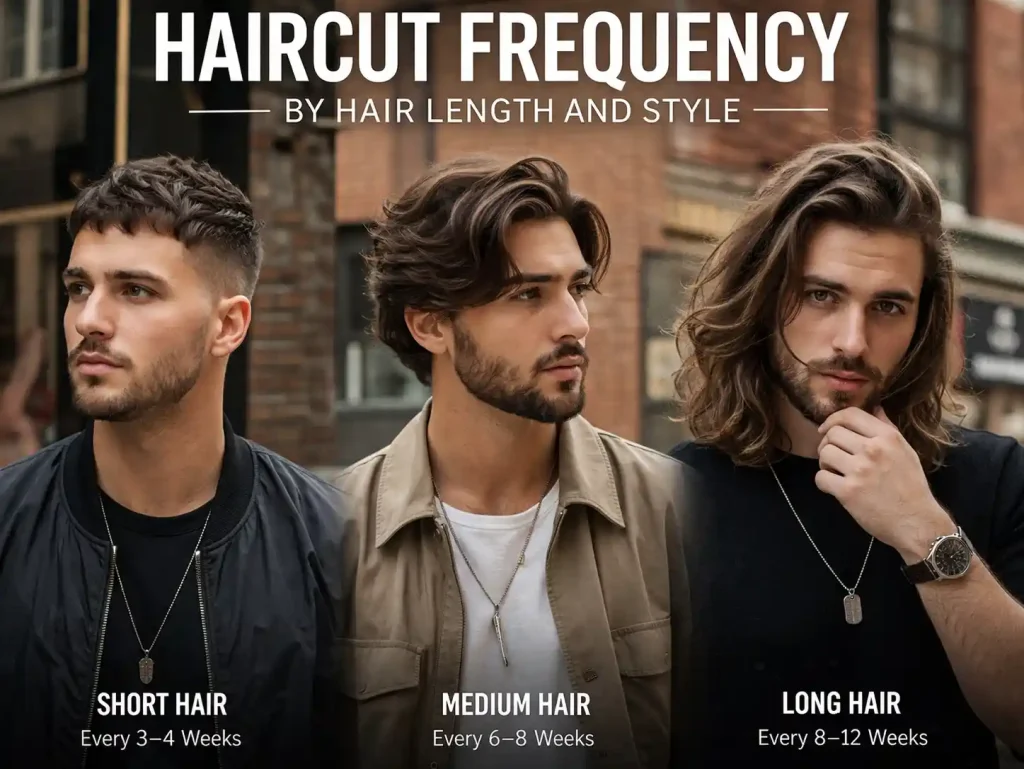
The ideal haircut schedule largely depends on your hair length and the style you’re aiming for. Different haircuts require different levels of maintenance to keep them looking sharp and healthy. Here’s a detailed breakdown to help you plan your trims effectively.
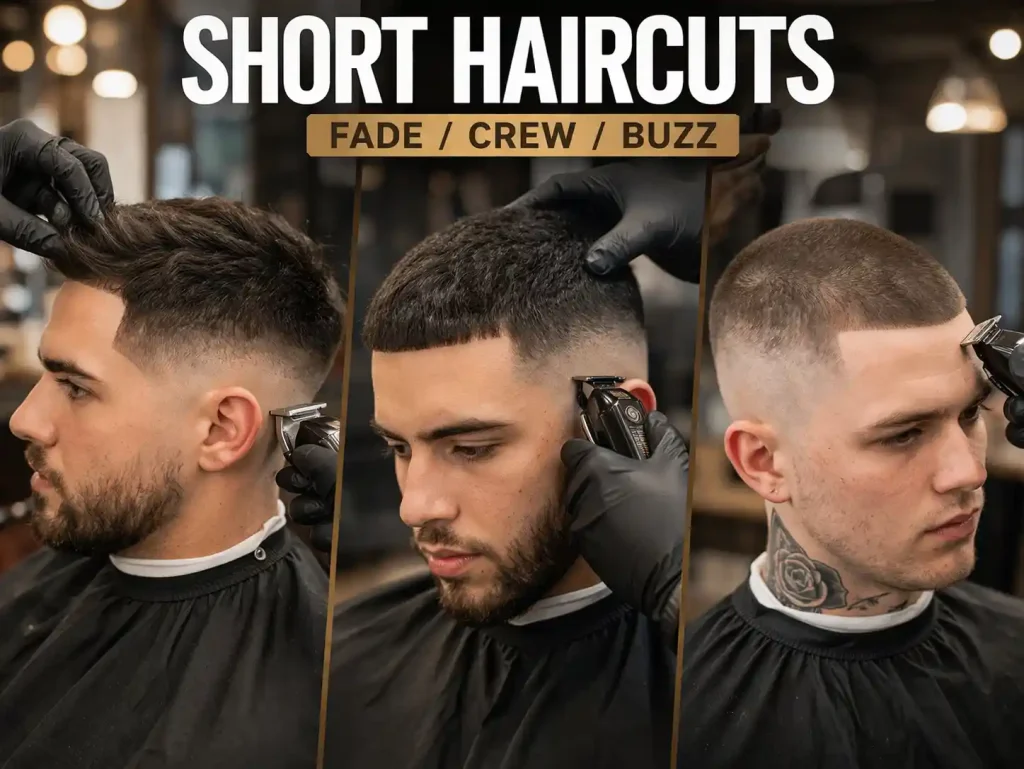
Short Haircuts (Buzz, Crew, Fade, Undercut)
Recommended Intervals:
Short hairstyles require frequent maintenance to retain their crisp shape. Most men with buzz cuts, crew cuts, fades, or undercuts should schedule a haircut every 2–4 weeks.
Maintaining Shape and Style Between Cuts:
Even a week or two without trimming can cause a fade or short style to lose definition. Regular visits help maintain clean edges and a polished appearance.
Tips for Fades and Precision Cuts:
- Keep the neckline and sideburns tidy between visits using a trimmer.
- Avoid washing hair with harsh shampoos too often, which can fade style quicker.
- Use lightweight styling products to maintain the cut’s shape and texture.
Medium Haircuts

Recommended Intervals:
Medium-length hair is versatile but requires regular trimming every 3–6 weeks to prevent awkward growth patterns and maintain volume.
Styling and Volume Maintenance Tips:
- Regular trims help avoid split ends that can weigh hair down.
- Use a conditioner and lightweight styling products to enhance volume and texture.
- Consider periodic texturizing or layering trims to maintain shape and style flexibility.
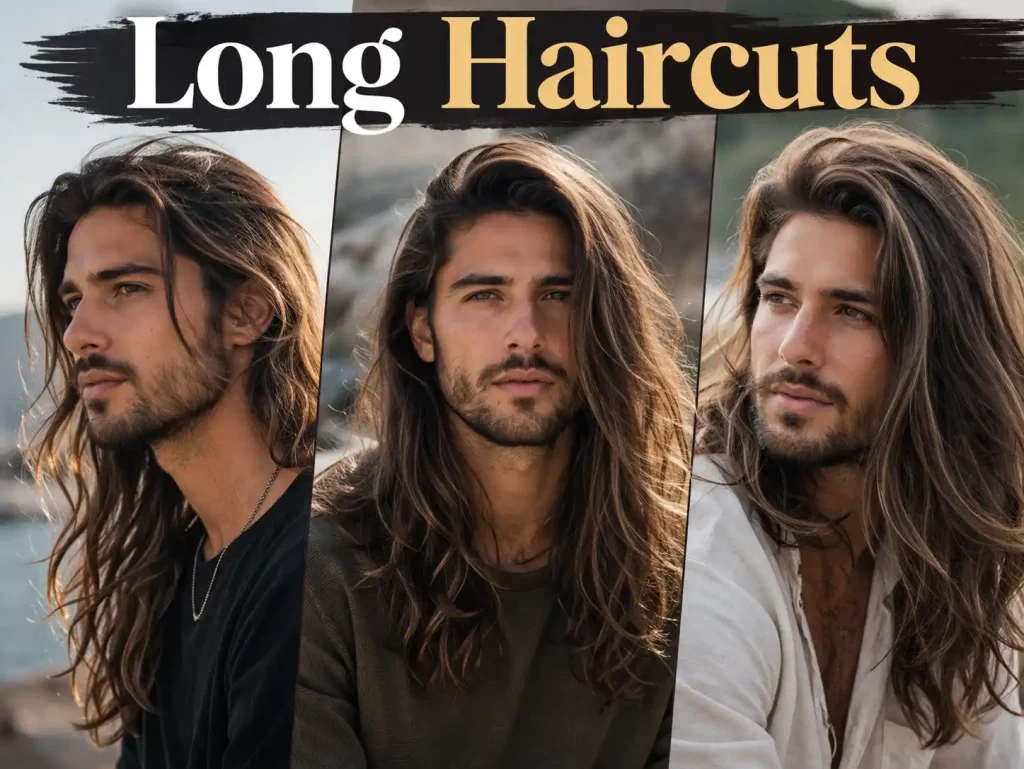
Long Haircuts
Recommended Intervals:
Long hairstyles can go longer between cuts, usually 6–12 weeks, as they are more forgiving when it comes to uneven growth.
Preventing Split Ends and Maintaining Hair Health:
- Schedule trims to remove damaged or split ends, even if hair hasn’t grown much.
- Deep conditioning treatments help maintain shine and manageability.
- Minimize excessive heat styling and tight hairstyles to reduce breakage.
Specialized Hairstyles
Pompadour, Quiff, Textured Styles:
These styles require precision and attention to detail. Their maintenance schedule depends on complexity:
- Pompadour: 3–5 weeks to maintain height and volume
- Quiff: 3–6 weeks depending on length and texture
- Textured Styles: 4–6 weeks to prevent style from losing definition
How Often to Touch-Up Depending on Complexity:
- Complex styles may need small touch-ups at home (trimming sides, shaping edges) between barber visits.
- Professional styling products can help preserve texture and shape.
Best Haircut Schedule Based on Face Shape
Oval Face
- Most flexible face shape
- Haircuts every 3–6 weeks depending on style
Round Face
- Short sides needed to add definition
- Trim every 2–4 weeks to maintain structure
Square Face
- Strong jawline suits clean styles
- Haircuts every 3–5 weeks
Long Face
- Avoid too much height
- Maintain balanced styles every 4–6 weeks
Lifestyle and Professional Considerations

Your lifestyle and daily routine can significantly impact how often you should get a haircut. Beyond hair length and style, factors like activity level, profession, and social commitments play a role in determining the ideal schedule for maintaining a polished look.
How Lifestyle Affects Haircut Frequency
- Active Lifestyle: If you’re regularly exercising or engaging in outdoor activities, your hair may require more frequent trims to manage sweat, tangles, or sun exposure. Short hairstyles may lose shape faster, requiring trims every 2–3 weeks.
- Professional Life: Men in corporate or client-facing roles often need a consistently sharp appearance. Styles like fades, crew cuts, or classic trims may need more frequent maintenance to project a professional image.
- Casual Lifestyle: If you prefer low-maintenance looks, longer hairstyles or textured styles can often go longer between cuts without looking untidy.
Scheduling Haircuts Around Work and Social Events
Planning your haircuts around important events ensures you always look your best. For example:
- Schedule a trim a few days before a big meeting or event.
- Consider mid-week appointments to avoid crowded barber shops.
- Maintain a consistent routine to keep your hairstyle predictable and polished.
Seasonal Haircut Considerations
- Summer: Hair may grow faster due to increased circulation, and exposure to sun, saltwater, or chlorine can damage hair, necessitating more frequent trims.
- Winter: Hair can become drier and more brittle, so scheduling a trim every 4–6 weeks can help prevent split ends and maintain health.
Travel and Time-Saving Tips
- For frequent travelers, plan haircuts around your schedule, or consider portable grooming tools for touch-ups.
- Some barbers offer express trims for busy clients—perfect for maintaining short or precise hairstyles while on the go.
- Establish a haircut rhythm based on your personal growth rate, so you can minimize stress and maximize convenience.
Signs You Need a Haircut
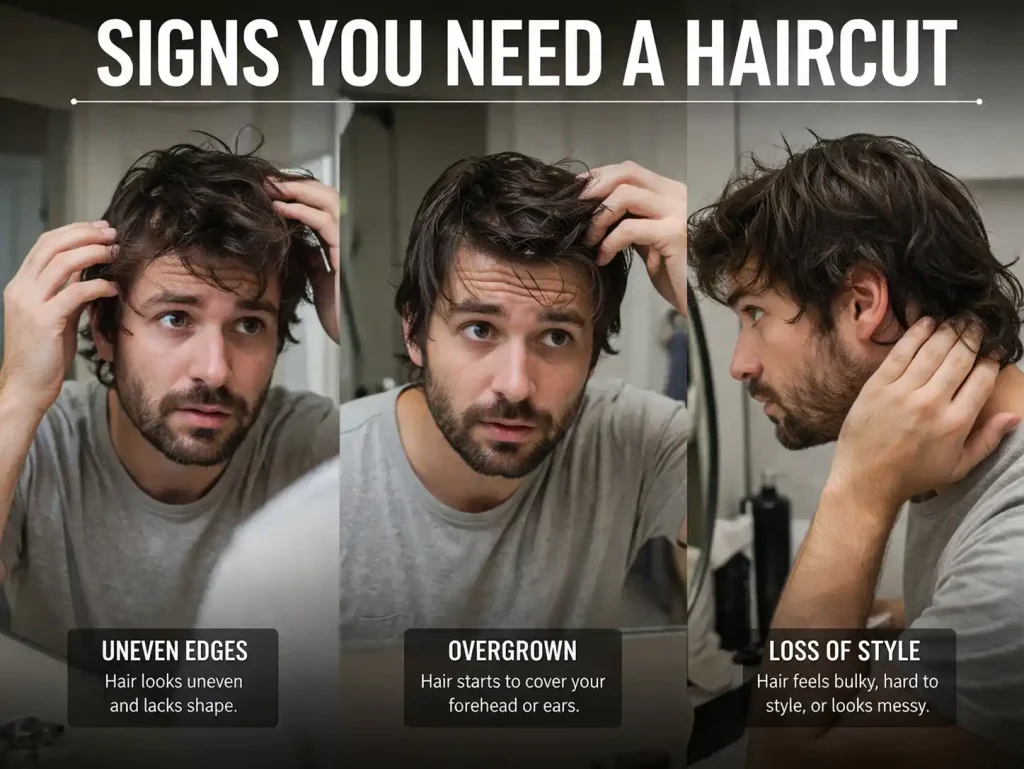
Knowing when to get a haircut is just as important as knowing how often to schedule one. Beyond a fixed interval, certain signs indicate it’s time for a trim to maintain healthy, stylish hair.
Loss of Hair Shape or Style
When your haircut starts to lose definition—edges blur, fades grow out, or layers become uneven—it’s a clear signal that a trim is due. Short styles like crew cuts or fades are especially noticeable when they lose shape.
Split Ends, Breakage, or Frizz
Split ends not only make hair look unhealthy but can lead to breakage over time. Frizz or hair that feels dry and unmanageable is another sign that it’s time for a professional cut or at least a targeted trim to maintain hair health.
Hair Interfering with Daily Routine or Appearance
If hair begins to get in your eyes, covers your face, or prevents styling your desired look, it’s time for a haircut. Your hairstyle should complement your daily routine, not hinder it.
When DIY Trims Are Appropriate
Minor touch-ups—like trimming split ends, shaping sideburns, or maintaining the neckline—can be done at home between barber visits. However, complex styles like fades, pompadours, or layered cuts should always be handled by a professional to maintain precision.
Barber Tips and Maintenance Between Visits
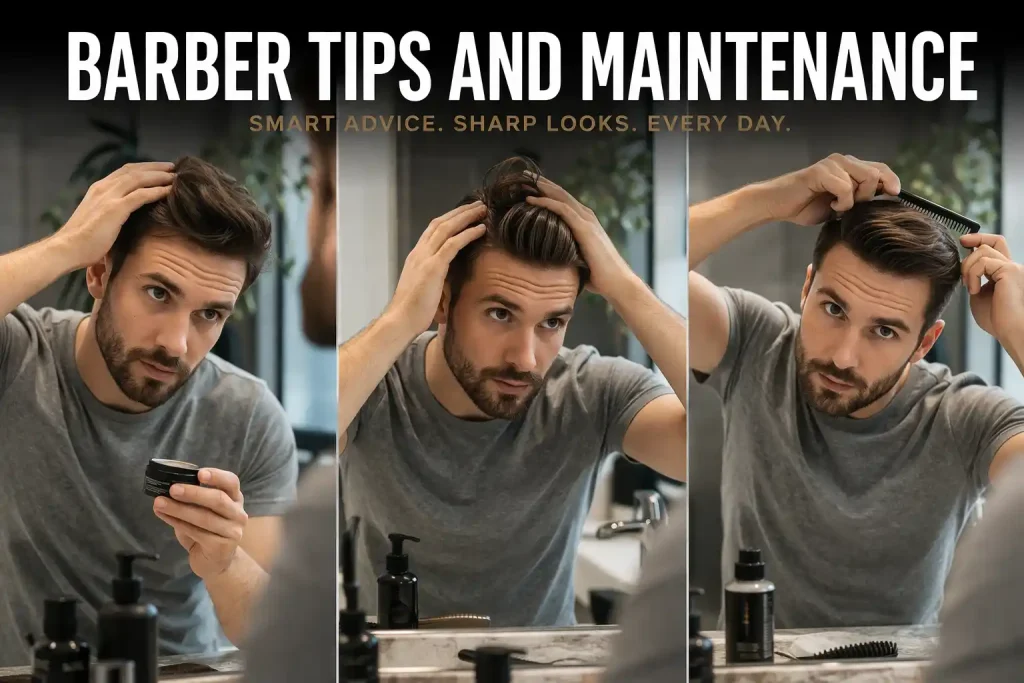
Even with regular haircuts, there are steps you can take to keep your style looking fresh and healthy between visits.
Recommended Routines from Professional Barbers
- Schedule touch-ups for fades or edges as needed.
- Wash and condition hair regularly but avoid over-washing short hairstyles, which can dull texture.
- Follow styling routines recommended by your barber to maintain shape and volume.
Extending Time Between Trims Without Losing Style
- Use lightweight styling products like pomade, wax, or cream to preserve shape.
- For medium and long hairstyles, consider texturizing or layering trims instead of full haircuts.
- Regular conditioning and gentle combing help hair maintain a healthy look.
Haircare Products: Pomades, Conditioners, Trimmers
- Pomades and waxes: Add texture and hold for short to medium styles.
- Conditioners and leave-in treatments: Keep hair soft and manageable, especially long or coarse hair.
- Trimmers and scissors: Maintain sideburns, neckline, or minor split ends at home without compromising overall style.
Avoiding Common Mistakes Men Make with Haircuts
- Over-washing short hair, which can reduce style longevity
- Attempting complex styles at home without experience
- Waiting too long between trims for high-maintenance styles
- Neglecting conditioning, leading to split ends and dryness
DIY Haircut Tips at Home
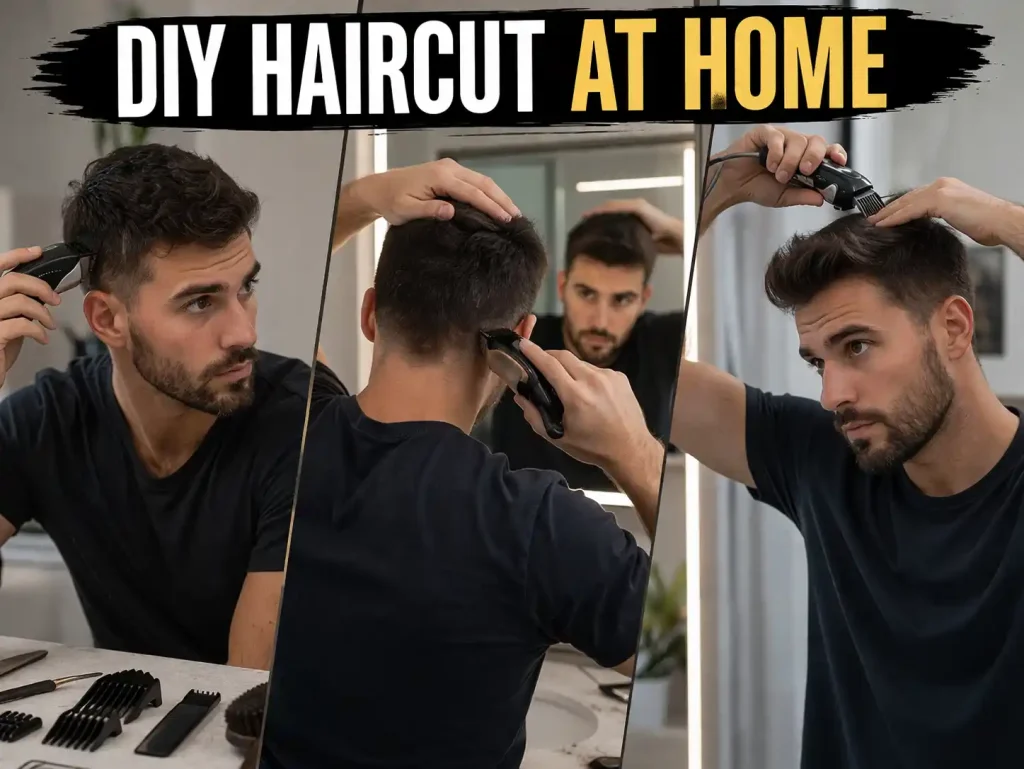
For men who want to maintain their hairstyle between barber visits—or for those who enjoy grooming themselves—DIY haircuts can be a convenient solution. However, knowing the right tools, techniques, and safety practices is essential for keeping hair healthy and stylish.
Tools Needed for Home Trims
- Hair clippers: Ideal for short hairstyles like buzz cuts, fades, and undercuts.
- Hair scissors: Necessary for trimming medium to long hair or split ends.
- Comb or brush: Helps section hair evenly for precise cuts.
- Mirror setup: Multiple mirrors allow you to see all angles, especially the back of your head.
- Trimmer: Perfect for touch-ups on necklines, sideburns, and beards.
How to Maintain Short, Medium, and Long Hairstyles
- Short Hair: Trim edges and neckline every 1–2 weeks, and use lightweight styling products to maintain texture.
- Medium Hair: Focus on trimming split ends and keeping layers even. Conditioning keeps hair soft and manageable.
- Long Hair: Remove split ends, keep ends healthy with regular trims, and use deep-conditioning treatments to maintain shine and smoothness.
Safety Tips and Maintaining Style Integrity
- Always cut small sections at a time to avoid mistakes.
- Work in a well-lit area with a clear view of the mirror.
- Use sharp, clean tools to reduce hair damage and split ends.
- Avoid attempting complex styles at home; leave fades or intricate cuts to professionals.
Haircut Frequency for Specific Needs
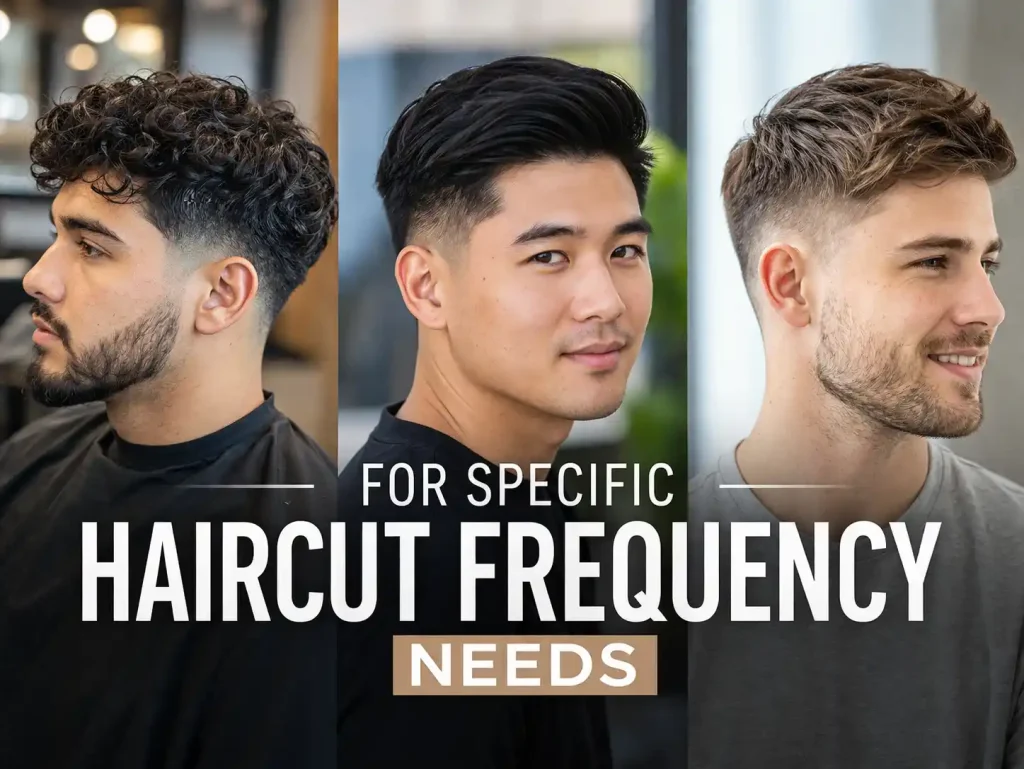
Not all men have the same hair type or styling requirements. Certain factors—like hair texture, age, or whether you also maintain facial hair—affect how often you should schedule haircuts.
Men with Curly or Wavy Hair
- Hair shrinkage and texture make it harder to see growth; trimming every 4–8 weeks helps maintain shape.
- Curly hair may need shaping to prevent bulkiness or uneven layers.
Aging Hair or Thinning Hair
- Hair becomes finer or slower-growing with age; shorter, low-maintenance cuts often work best.
- Trimming every 4–6 weeks helps keep thinning hair looking neat and healthy.
Haircuts That Include Facial Hair/Beard Trims
- Men who maintain beards may want to synchronize haircuts and beard trims.
- Short hairstyles with a beard may require more frequent visits to keep a clean, cohesive look.
Adapting Schedules for High-Maintenance vs Low-Maintenance Styles
- High-maintenance styles like pompadours, fades, or textured styles require 2–4 week intervals.
- Low-maintenance styles, such as longer or casual haircuts, can go 6–12 weeks between trims if cared for properly.
Quick Reference Table
Here’s a handy guide to help you quickly determine how often you should get a haircut based on your hair length, style, and specific needs. This table makes it easy to maintain a polished, healthy look without guessing.
| Hair Length / Style | Recommended Interval | Key Tips |
| Short (Buzz/Crew/Fade/Undercut) | 2–4 weeks | Maintain fade and edges; use lightweight styling products to keep texture. |
| Medium Hair | 3–6 weeks | Keep volume, trim split ends, and layer as needed for shape. |
| Long Hair | 6–12 weeks | Prevent split ends with regular trims and deep-conditioning treatments; avoid excessive heat. |
| Curly or Wavy Hair | 4–8 weeks | Control frizz, maintain shape, and trim uneven growth to keep curls defined. |
| Specialized Styles (Pompadour, Quiff, Textured Styles) | Varies | Touch up key areas, follow barber recommendations, and use styling products to preserve shape. |
FAQ About how often should men get a haircut
How often should men with curly hair get a haircut?
Curly hair tends to shrink and can appear uneven as it grows. Most men with curly hair should schedule haircuts every 4–8 weeks, depending on length and desired style. Regular trims help maintain shape, control frizz, and prevent split ends, keeping curls defined and manageable.
Will frequent haircuts make hair grow faster?
No. Hair growth is determined by genetics, age, nutrition, and overall health. Cutting hair does not speed up growth. However, regular trims prevent split ends and breakage, which helps hair look healthier and fuller, giving the appearance of faster growth.
Can I extend time between haircuts without losing style?
Yes, with the right maintenance. For medium to long hairstyles, use conditioning treatments and lightweight styling products to preserve shape and prevent damage. Short hairstyles may require touch-ups with clippers or trimmers to keep edges clean if you want to extend the interval.
How often should professional men trim their hair?
Professional or client-facing men often benefit from more frequent haircuts to maintain a polished appearance. Short styles like fades or crew cuts may need every 2–3 weeks, while medium hairstyles can go 3–6 weeks. Long hair can be managed with 6–12 week intervals if properly maintained.
Does trimming facial hair affect hair health?
Trimming facial hair doesn’t affect growth or overall hair health, but it helps maintain a neat, symmetrical appearance. Synchronizing beard trims with haircuts can create a cohesive, well-groomed look while preventing split ends in longer facial hair.
How Often Should Men Get a Haircut
Men should get a haircut every 2–6 weeks depending on hair length and style. Short styles need frequent trims, while longer hair allows longer gaps between cuts.
Conclusion About how often should men get a haircut
Maintaining a stylish, healthy hairstyle is about more than just visiting the barber—it’s about understanding your hair length, style, and growth patterns. Short, medium, long, curly, or specialized styles all have different maintenance needs, and knowing the ideal interval for each can help you look your best year-round.
Key Takeaways:
- Short Haircuts: Trim every 2–4 weeks to maintain shape and sharpness.
- Medium Haircuts: Schedule every 3–6 weeks for volume and style retention.
- Long Haircuts: Maintain every 6–12 weeks to prevent split ends and damage.
- Curly or Wavy Hair: Trim every 4–8 weeks to control frizz and shape.
- Specialized Styles (Pompadour, Quiff, Textured): Follow barber guidance and touch up edges as needed.
Creating a personalized haircut schedule tailored to your hair type, lifestyle, and professional needs ensures that you not only maintain a polished look but also promote overall hair health. Remember, frequency varies based on hair growth rate, texture, and daily habits, so adjust your schedule accordingly to achieve the best results.
By combining regular trims, proper haircare, and expert tips, you can keep your hair looking sharp, healthy, and stylish no matter the length or style.