
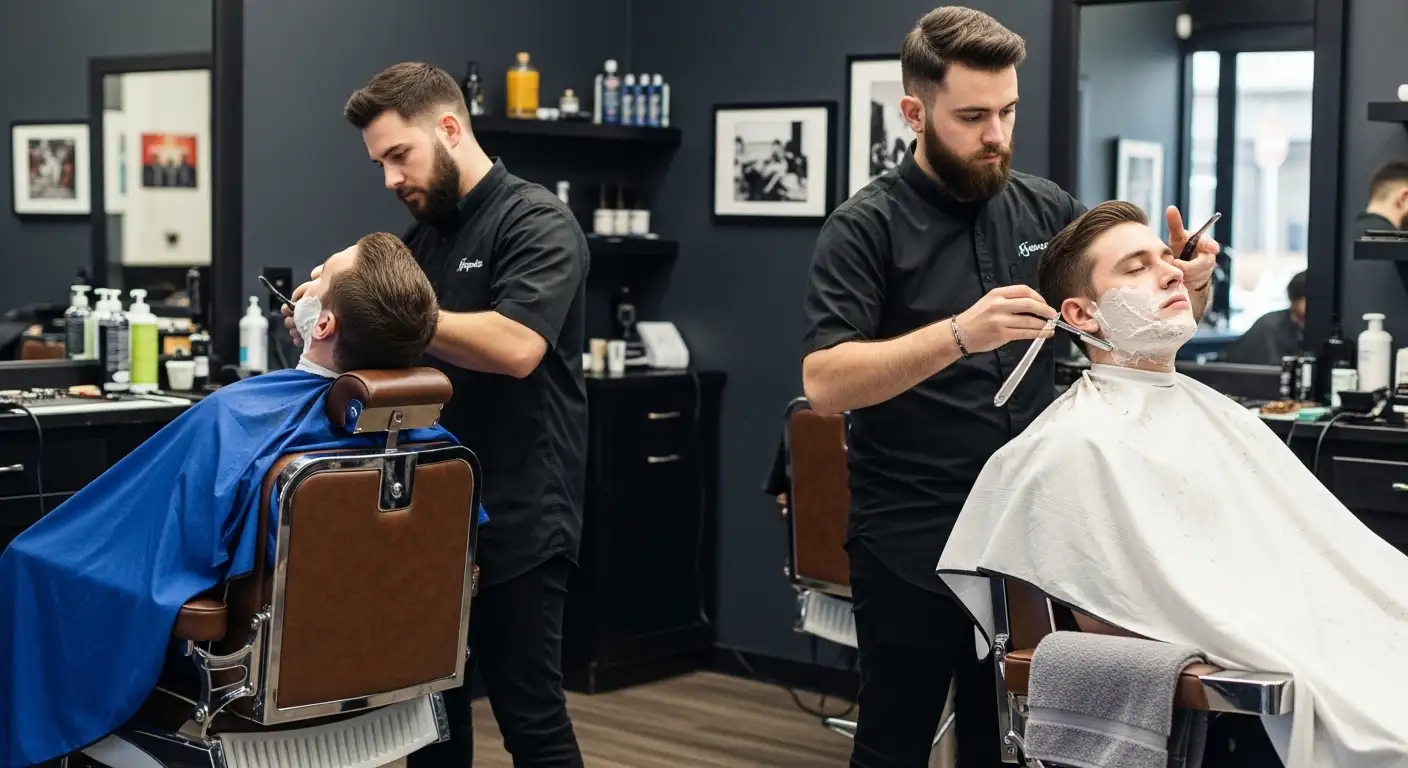
Opening a barber shop is one of the most profitable and in-demand business ideas today—but many new owners fail before they even start because they underestimate the real costs. From barber chairs and tools to rent, licenses, and hidden monthly expenses, the total investment can quickly add up if you don’t plan properly.
The good news? You don’t need a huge budget to get started—you just need the right strategy. In this complete guide, you’ll discover exactly how much it costs to open a barber shop, a full breakdown of startup expenses, and smart ways to launch your business without overspending.
How Much Does It Cost to Open a Barber Shop?
- Low budget shop: $25,000 – $50,000
- Mid-range shop: $50,000 – $100,000
- High-end shop: $100,000 – $150,000+
- Monthly expenses: $4,000 – $12,000
- Break-even time: 12–24 months
Average Cost to Open a Barber Shop
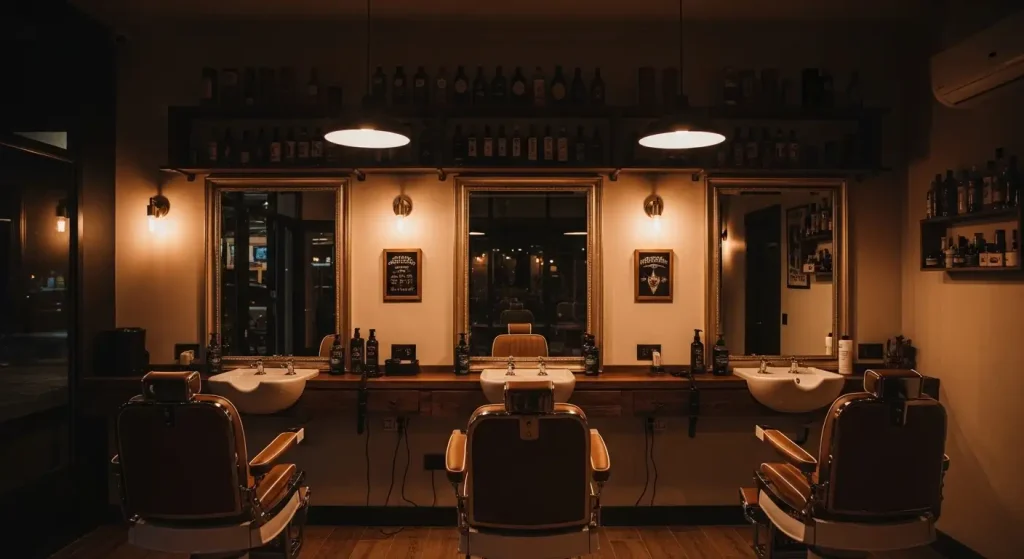
The average cost to open a barber shop can vary significantly depending on the size of the shop, location, equipment quality, and interior design. In most cases, new barbershop owners invest anywhere between $25,000 and $150,000 to start their business. A smaller shop with limited equipment will cost much less, while a premium shop with multiple barber chairs and luxury design features will require a larger investment. Understanding these cost ranges helps entrepreneurs plan their startup budget and business strategy more effectively.
Related Guides:
15 Best Afro Hairstyles for Men (2026 Guide for Style & Care)
Low Budget Barber Shop
A low budget barber shop typically includes one or two barber chairs and basic equipment. These shops are often located in smaller neighborhoods, shared spaces, or low-rent commercial areas. By purchasing essential tools only and minimizing renovation costs, owners can start with a budget of around $25,000 to $50,000. This option is ideal for new barbers who want to start small and gradually expand their business.
Mid-Range Barber Shop
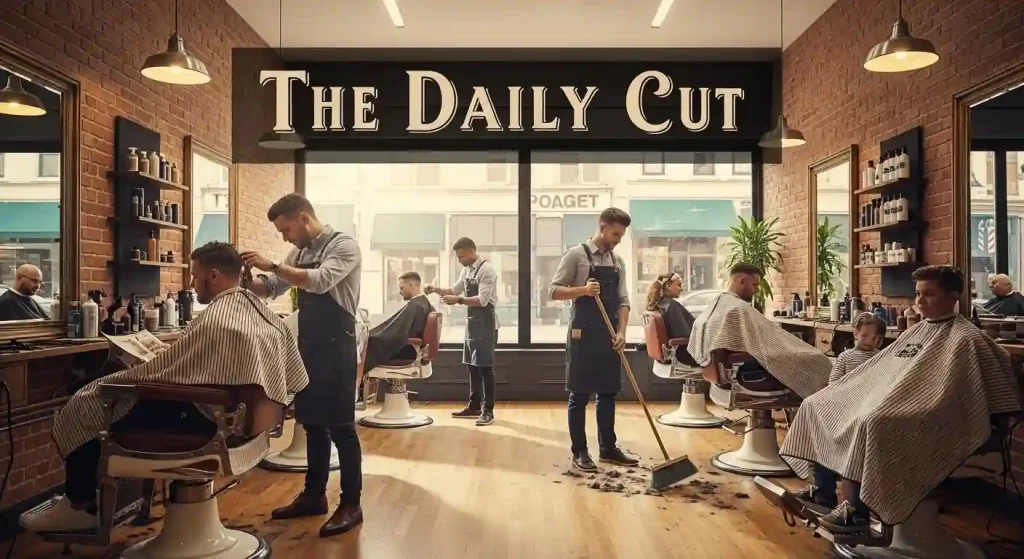
A mid-range barber shop usually includes three to five barber chairs, better interior design, and a wider range of services. These shops are often located in busy urban areas or shopping districts, where higher customer traffic increases earning potential. The typical investment for this type of shop ranges from $50,000 to $100,000, covering equipment, renovations, licenses, and marketing costs.
High-End Barber Shop
A high-end barber shop focuses on providing a premium grooming experience with luxury interior design, high-quality barber chairs, and advanced equipment. These shops are often located in prime commercial locations and may offer additional services such as beard grooming, hot towel shaves, and premium styling treatments. Opening a luxury barbershop can require an investment of $100,000 to $150,000 or more, depending on the level of customization and branding.
Barber Shop Startup Cost Breakdown
Understanding the startup cost breakdown for a barber shop helps new owners allocate their budget effectively and avoid unexpected expenses. The total investment typically includes equipment, renovations, licenses, insurance, and initial inventory, all of which are essential for running a professional grooming business.
Related Guides:
High Top Fade Haircut (2026 Guide)
Barber Chairs and Workstations
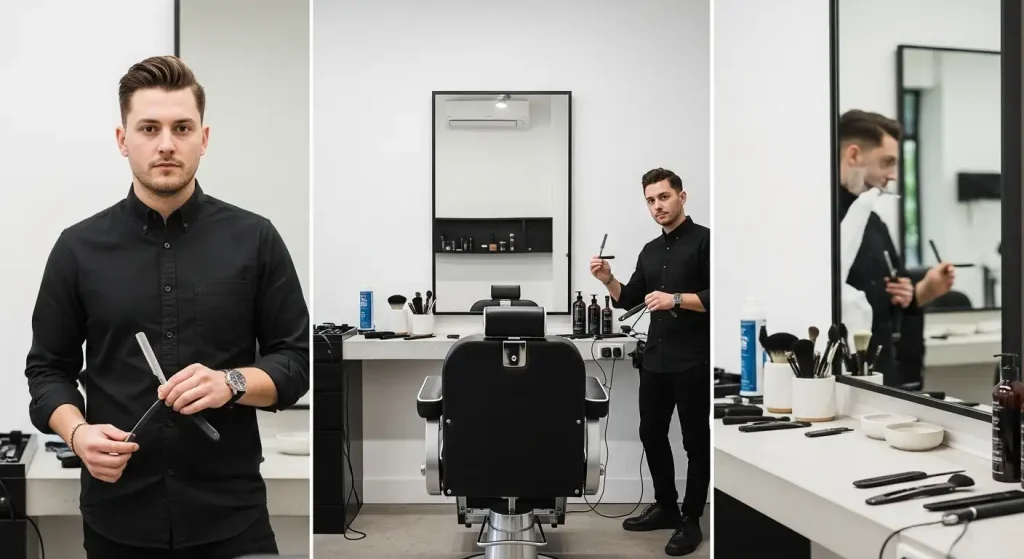
One of the most important expenses when opening a barber shop is purchasing barber chairs and workstations. A professional barber chair can cost anywhere between $500 and $3,000 per chair, depending on the brand, comfort features, and durability. Each workstation may also include mirrors, cabinets, and tool organizers, which can add additional setup costs.
Barber Tools and Equipment
Professional grooming requires a full set of barber tools and equipment. Essential tools include clippers, trimmers, scissors, razors, combs, hair dryers, and sanitizing equipment. High-quality tools ensure better service quality and longer durability. On average, a complete equipment setup can cost between $500 and $5,000 depending on the brands and number of stations.
Shop Renovation and Interior Design
Creating a comfortable and attractive environment is essential for building a successful barbershop. Renovation and interior design costs may include painting, flooring, mirrors, lighting, waiting areas, and decorative elements. Depending on the size and style of the shop, renovation expenses can range from $8,000 to $30,000 or more.
Licenses and Permits
Opening a barber shop requires several licenses and permits to operate legally. These may include a business license, barber shop license, health permits, and local operating permits depending on the region. The cost for licenses and permits generally ranges from $150 to $1,000, although requirements vary by location.
Insurance Costs
Business insurance is important for protecting a barber shop from potential risks. Most owners purchase general liability insurance, property insurance, and workers’ compensation coverage if employees are hired. Insurance costs usually range between $500 and $2,000 per year, depending on the size of the shop and coverage level.
Initial Inventory
A barber shop also requires an initial stock of hair products and grooming supplies. This may include shampoos, conditioners, styling gels, shaving creams, aftershaves, towels, and disposable items. The starting inventory typically costs between $2,000 and $7,500, depending on the variety and quality of products offered to customers.
Barber Shop Location Costs
The location of your barber shop plays a major role in determining the overall startup and operating costs. Areas with high foot traffic and busy commercial zones often require higher rent and lease deposits, while smaller towns usually offer more affordable options. Understanding location expenses helps new owners plan a realistic budget and long-term financial strategy.
Related Guides:
Your Guide to Barbershop Startup Costs
Rent
Rent is usually the largest recurring expense for a barber shop. The monthly rent depends on the size of the shop, location, and local commercial property prices. In major cities or busy shopping districts, rent can range from $2,000 to $6,000 per month, while smaller towns or suburban areas may cost between $800 and $2,500 per month.
Lease Deposits
Most commercial landlords require a lease deposit or security deposit before signing a rental agreement. This deposit often equals one to three months of rent. For example, if the monthly rent is $2,500, the required deposit could range from $2,500 to $7,500 depending on the lease terms and location.
Utilities
Running a barber shop requires several utilities, including electricity, water, heating or air conditioning, and internet services. Electricity is particularly important because barber shops use multiple tools such as clippers, hair dryers, and lighting equipment. Utility costs typically range from $300 to $1,000 per month, depending on the shop size and local utility rates.
Urban vs Small Town Comparison
Location also affects overall business costs and profit potential. Urban areas generally provide higher customer traffic and greater revenue opportunities, but they also come with higher rent and operating expenses. In contrast, small towns usually offer lower rent and lower competition, though customer volume may be smaller.
| Location Type | Average Monthly Rent | Customer Traffic | Startup Cost Impact |
| Urban city center | $3,000 – $6,000 | High | Higher startup investment |
| Suburban area | $1,500 – $3,000 | Moderate | Balanced costs |
| Small town | $800 – $2,000 | Lower | Lower startup cost |
Monthly Operating Costs of a Barber Shop
After opening a barber shop, owners must manage several monthly operating expenses to keep the business running smoothly. These ongoing costs include rent, employee wages, utilities, inventory restocking, and marketing efforts. Understanding these expenses helps owners maintain healthy profit margins and stable cash flow.
Rent
Monthly rent usually remains the largest fixed cost for a barbershop. Depending on location, rent may range between $800 and $6,000 per month.
Staff Wages
If a shop hires additional barbers, owners may pay them through a salary, commission, or booth rental model. Wages and commissions can range from $2,000 to $6,000 per barber per month, depending on experience and revenue.
Utilities
Utilities include electricity, water, heating, internet, and waste services. These costs typically range from $300 to $1,000 per month.
Inventory
Barber shops must regularly restock hair products, shaving creams, disposable blades, towels, and sanitation supplies. Monthly inventory expenses can range from $300 to $1,000 depending on the number of clients served.
Marketing
Marketing helps attract new customers and build brand awareness. Common expenses include social media advertising, website maintenance, and local promotions. Monthly marketing budgets often range from $200 to $800.
Estimated Monthly Barber Shop Expenses
| Expense Category | Estimated Monthly Cost |
| Rent | $800 – $6,000 |
| Staff wages | $2,000 – $6,000 per barber |
| Utilities | $300 – $1,000 |
| Inventory and supplies | $300 – $1,000 |
| Marketing and advertising | $200 – $800 |
| Miscellaneous expenses | $200 – $500 |
These estimates show that total monthly operating costs for a barber shop can range between $4,000 and $12,000 or more, depending on shop size and location.
Real Barber Shop Startup Cost Examples
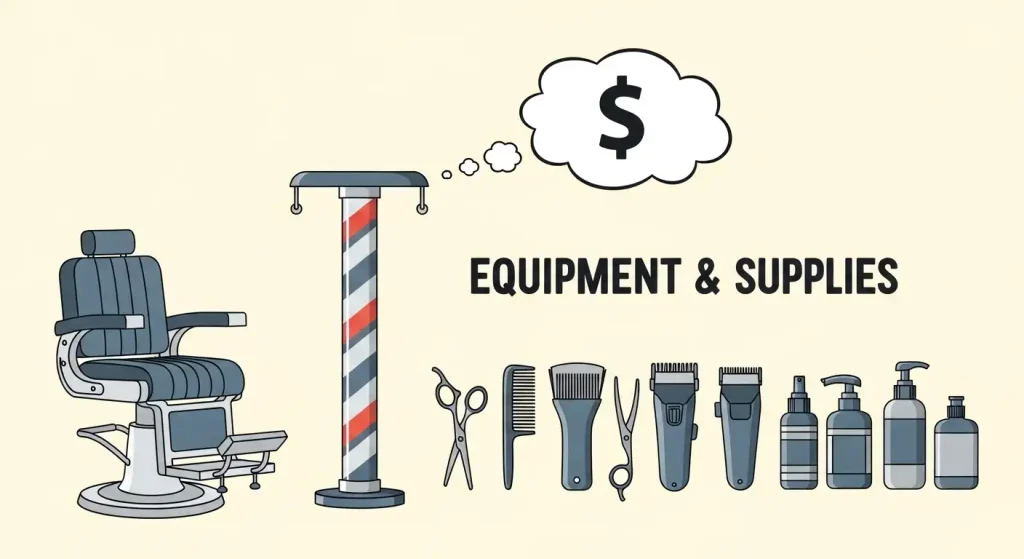
Looking at realistic startup scenarios can help entrepreneurs understand how much money they may need before opening a barbershop. The total investment depends on factors such as number of chairs, location, interior design, and equipment quality.
Small Barber Shop (2 Chairs)
A small barber shop with two chairs is often the most affordable way to start. This setup usually requires basic equipment, minimal renovation, and limited staff. Startup costs for a small shop typically range between $25,000 and $50,000.
Typical expenses may include:
- 2 barber chairs and workstations
- Essential barber tools and equipment
- Basic interior setup and signage
- Business licenses and permits
- Initial inventory of grooming products
This model is ideal for barbers who want to start independently and expand gradually as the business grows.
Medium Barber Shop (4 Chairs)
A medium-sized barber shop with four chairs allows owners to serve more clients and hire additional barbers. This setup usually requires larger space, better interior design, and additional equipment. Startup costs for this type of shop typically range from $50,000 to $100,000.
Typical expenses may include:
- 4 barber chairs and complete workstations
- Expanded equipment and tools
- Interior renovations and waiting area furniture
- Marketing and branding setup
- Additional inventory and supplies
This type of shop can generate higher daily revenue due to increased customer capacity.
Premium Barber Shop (Luxury Setup)
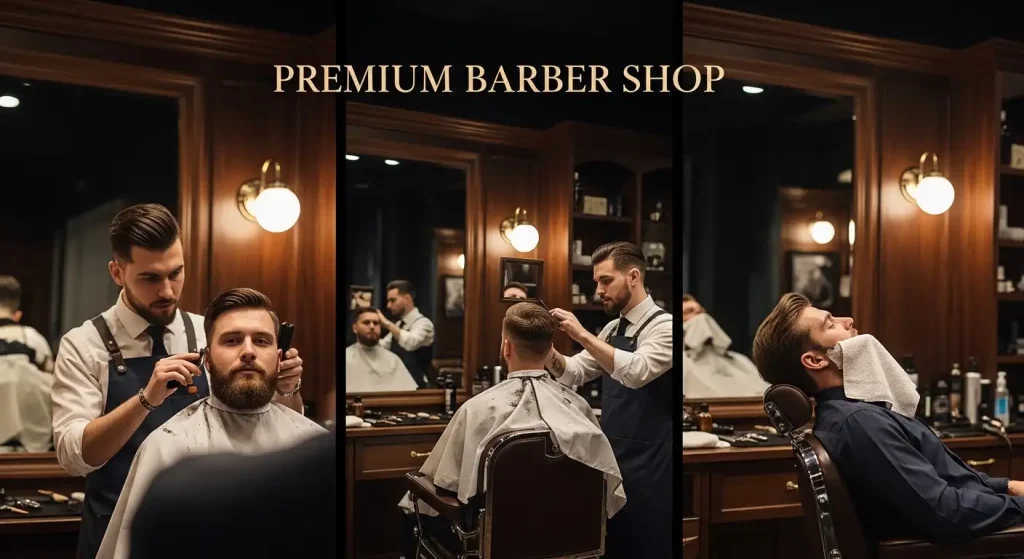
A premium barber shop focuses on providing a luxury grooming experience with stylish interior design and high-end equipment. These shops are often located in prime commercial locations with heavy foot traffic. Opening a luxury barbershop may require an investment of $100,000 to $150,000 or more.
Typical features include:
- High-end barber chairs and premium workstations
- Modern interior design with luxury decor
- Advanced grooming equipment and tools
- Branded products and upscale waiting areas
- Professional marketing and brand identity
Although the startup investment is higher, premium barber shops often charge higher service prices, which can lead to greater long-term profitability.
Hidden Costs Most New Barber Shop Owners Forget
When planning the cost to open a barber shop, many new owners focus only on major expenses like rent, equipment, and renovation. However, several smaller operational costs can significantly impact the overall budget if they are not considered early. Understanding these hidden expenses helps entrepreneurs build a more accurate startup plan and avoid financial surprises.
Booking Software
Many modern barber shops use online booking systems to manage appointments and reduce waiting times. These platforms allow clients to schedule haircuts, receive reminders, and choose barbers online. Booking software subscriptions typically cost between $20 and $100 per month, depending on features and number of users.
POS System
A point-of-sale (POS) system helps barber shops process payments, track sales, and manage inventory. Many POS systems also support credit cards, digital wallets, and tipping options. Monthly POS software fees may range from $30 to $150, plus small transaction processing charges.
Cleaning Services
Maintaining a clean and hygienic environment is essential for customer satisfaction and health compliance. Some barbershops hire professional cleaning services to handle daily sanitation, floor cleaning, and waste disposal. Depending on shop size, cleaning costs can range from $100 to $500 per month.
Marketing
Even the best barber shop needs effective marketing to attract new clients. Initial marketing efforts may include social media promotions, local advertising, website creation, and signage. Monthly marketing expenses often range between $200 and $800, depending on the strategy and competition in the area.
How to Start a Barber Shop on a Small Budget
Starting a barber shop does not always require a large investment. With careful planning and smart decisions, it is possible to launch a small barber shop business with a limited budget while still providing professional services.
Buy Used Equipment
One effective way to reduce startup costs is to purchase used barber chairs, mirrors, and furniture instead of brand-new equipment. Many barbers upgrade their equipment regularly, which means you can often find high-quality used items at significantly lower prices.
Start With Fewer Chairs
Instead of opening a large shop immediately, many successful barbers start with one or two barber chairs. This approach lowers expenses for equipment, rent, and inventory, allowing the business to grow gradually as customer demand increases.
Share Shop Space
Some barbers reduce costs by sharing shop space or renting a chair inside an existing barbershop. This model eliminates many startup expenses such as renovation, furniture purchases, and large lease deposits, making it easier to enter the industry with a smaller budget.
Is Owning a Barber Shop Profitable?
Owning a barber shop can be a profitable business opportunity, especially in areas with consistent demand for grooming services. Profitability depends on factors such as service pricing, number of clients per day, operating costs, and the number of barbers working in the shop.
The average haircut price in many markets ranges between $20 and $40, depending on the location and services offered. A busy barber can typically serve 10 to 20 clients per day, which creates steady daily revenue.
Example Profit Calculation
To understand the potential earnings of a barber shop, consider this simple example:
- Average haircut price: $25
- Clients per day: 15
- Daily revenue: $375
If the shop operates 26 days per month, the monthly revenue could reach approximately $9,750 per barber.
If a shop has three working barbers, the estimated monthly revenue could reach around $29,250 before expenses. After subtracting operating costs, a well-managed barbershop can generate healthy profit margins.
Break-Even Timeline for a Barber Shop
The break-even point refers to the moment when a barber shop earns enough revenue to recover its initial startup investment. The timeline varies depending on startup costs, monthly expenses, and client volume.
For example, if opening a barber shop costs $60,000 and the business generates a monthly profit of $3,000, it may take around 20 months to recover the initial investment.
Several factors influence the break-even timeline, including:
- Customer demand and daily traffic
- Service pricing and upselling opportunities
- Operating efficiency and expense management
- Marketing effectiveness
Many well-managed barber shops reach their break-even point within 12 to 24 months, especially if they maintain a steady flow of clients and control operating costs carefully.
Barber Shop Startup Checklist
Opening a successful barbershop requires careful planning and organization. Before launching your business, it is important to complete several key steps to ensure everything runs smoothly. Following a structured barber shop startup checklist helps reduce mistakes and ensures that all legal, financial, and operational requirements are in place.
Create a Business Plan
A detailed barber shop business plan outlines your goals, startup budget, pricing strategy, and marketing plan. It should also include financial projections, target customers, and service offerings. A strong business plan helps guide your decisions and may also be required if you plan to apply for business loans or investors.
Choose the Right Location
Selecting the right location is critical for attracting customers. Look for areas with high foot traffic, visible storefronts, and limited competition. Many successful barber shops are located near shopping centers, busy streets, or residential neighborhoods where demand for grooming services is strong.
Obtain Licenses and Permits
To operate legally, barber shop owners must obtain the required business licenses, barber shop permits, and health approvals depending on local regulations. In many regions, both the shop owner and barbers must hold valid barber licenses issued by state or local authorities.
Purchase Equipment and Supplies
Before opening, you will need to purchase essential barber chairs, mirrors, tools, and grooming products. Basic equipment includes clippers, trimmers, scissors, combs, hair dryers, sanitizing equipment, and towels. Investing in quality tools ensures better service quality and long-term durability.
Common Mistakes When Opening a Barber Shop
Many new entrepreneurs enter the barber industry with enthusiasm but make mistakes that can impact profitability. Understanding the most common barber shop startup mistakes can help you avoid unnecessary costs and improve your chances of long-term success.
Overinvesting in Interior Design
While a stylish shop can attract customers, spending too much on luxury furniture and high-end decoration may strain your startup budget. It is often better to begin with a simple and clean interior design and upgrade later as the business grows.
Choosing the Wrong Location
A poor location can significantly reduce customer traffic. Opening a barber shop in an area with low visibility, limited parking, or low population density can make it difficult to attract regular clients.
Underestimating Operating Costs
Many new owners focus only on the initial investment and forget about monthly operating expenses such as rent, utilities, staff wages, and marketing. Underestimating these costs can create financial pressure during the first months of operation.
Future Trends in the Barber Industry
The barber industry continues to evolve as customer expectations and technology change. Staying aware of future barber shop trends can help business owners remain competitive and attract modern customers.
Online Booking Systems
Many barbershops now offer online appointment scheduling through mobile apps or websites. These systems allow customers to book appointments, choose their barber, and receive automatic reminders, improving convenience and reducing waiting times.
Luxury Grooming Services
High-end grooming services are becoming increasingly popular. Many modern barber shops offer premium beard grooming, hot towel shaves, scalp treatments, and styling consultations. These services allow shops to charge higher prices and improve overall profitability.
Mobile Barber Shops
Mobile barber services are gaining popularity in many cities. Some barbers operate mobile grooming vans or travel directly to clients’ homes, offering convenient haircuts and grooming services. This model reduces the need for expensive commercial rent while reaching customers who prefer personalized and flexible services.
FAQs
How much money do you need to open a barber shop?
The average cost to open a barber shop usually ranges between $25,000 and $150,000, depending on the location, shop size, number of barber chairs, and renovation costs. A small shop with minimal equipment may cost less, while a premium barbershop with multiple stations and luxury design requires a larger investment.
How much does a barber chair cost?
A professional barber chair typically costs between $500 and $3,000, depending on the brand, comfort features, and durability. High-end barber chairs with hydraulic systems and premium materials can cost even more, especially in luxury barber shops.
Can you open a barber shop with $10,000?
Starting a barber shop with $10,000 is possible in some cases, but it usually requires a very small setup. This may involve renting a chair in an existing shop, buying used equipment, or starting with a single workstation. However, most independent barber shops require a larger budget to cover rent, licenses, and equipment.
How profitable is a barber shop?
A well-managed barber shop can be a profitable business, especially in areas with strong demand for grooming services. If the average haircut costs $25 and a barber serves 15 clients per day, daily revenue could reach $375. With multiple barbers working in the shop, monthly revenue can grow significantly after covering operating expenses.
How much does a barber shop make per month?
A small barber shop can make between $5,000 and $20,000 per month depending on location, pricing, and number of barbers.
Is owning a barber shop worth it in 2026?
Yes, barber shops remain a profitable business due to consistent demand, low inventory costs, and repeat customers.
Conclusion
Opening a barber shop is more than just a business—it’s a long-term opportunity to build a steady and profitable income. While startup costs can range from $25,000 to over $150,000, success doesn’t depend on how much you spend, but how wisely you invest.
By choosing the right location, controlling your expenses, and delivering consistent, high-quality service, you can turn your barbershop into a thriving business. Start small if needed, grow strategically, and focus on customer experience—because in the barber industry, loyalty and reputation are your biggest assets.