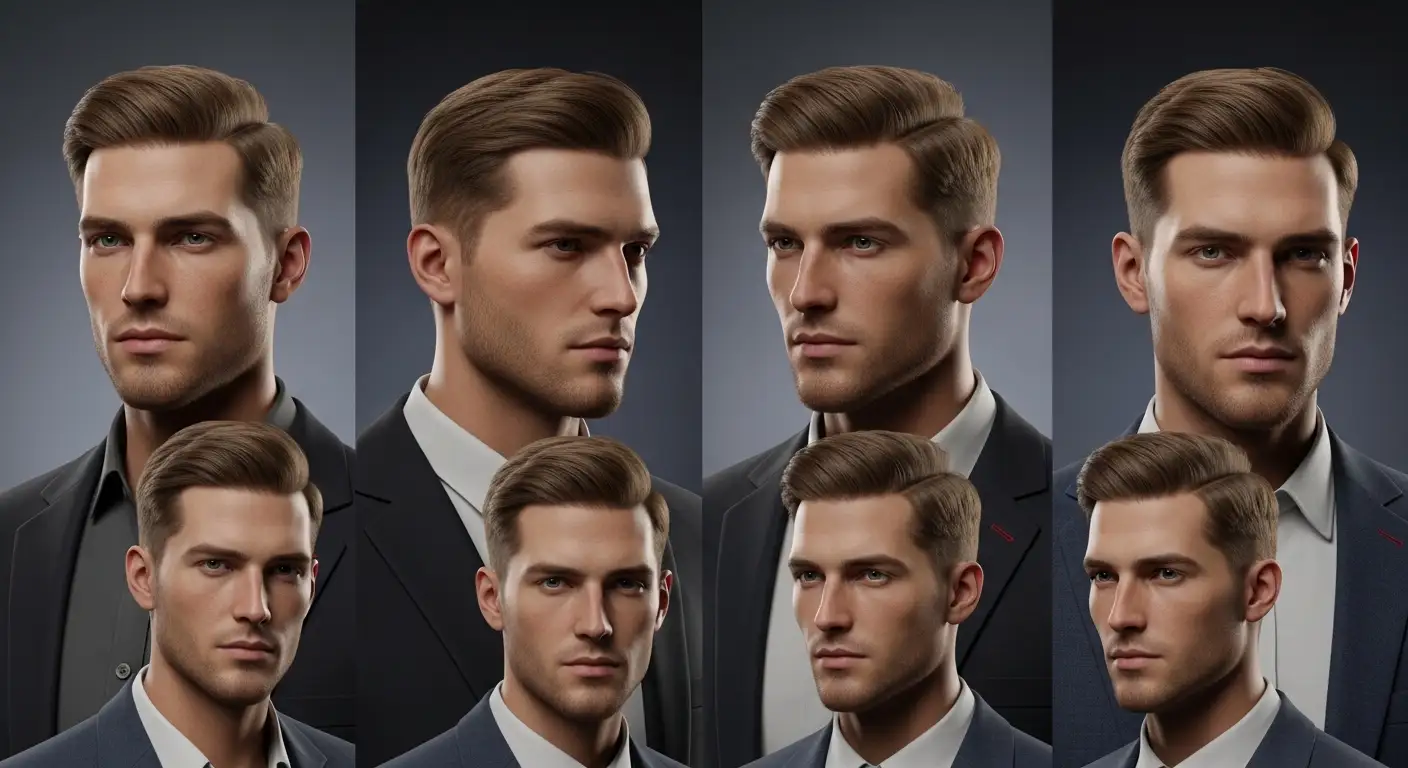
The Ivy League haircut is one of the few hairstyles that instantly makes a man look more polished, intelligent, and put together. While many haircuts come and go, this classic style has remained relevant for decades because it combines simplicity with sharp structure.
What makes the Ivy League haircut so popular is its balance between sophistication and simplicity. It combines the neat structure of a crew cut with the styling flexibility of longer hair on top, allowing you to wear it neatly combed, textured, or slightly relaxed depending on your personal style. This adaptability has made the haircut a favorite in barbershops for decades.
In this complete guide, you will learn what the Ivy League haircut is, how it differs from other popular hairstyles, and which Ivy League variations suit different face shapes and hair types. You will also discover the best styling techniques, barber instructions, and maintenance tips that help you achieve a sharp, confident look every day.
Quick Answer: What Is an Ivy League Haircut?
The Ivy League haircut is a short men’s hairstyle with tapered sides and slightly longer hair on top that can be styled with a side part. It is a more versatile version of the crew cut, offering a clean, professional, and timeless appearance suitable for both formal and casual settings.
Quick Overview of the Ivy League Haircut
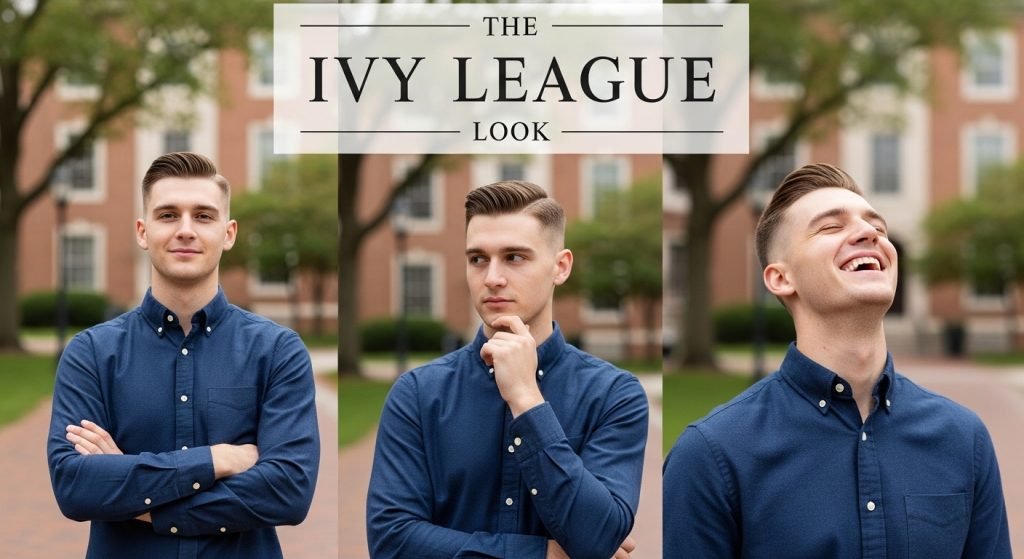
The Ivy League haircut is a classic men’s hairstyle known for its short sides, tapered back, and slightly longer hair on top that can be neatly styled with a side part. It is often considered a more refined version of the crew cut, offering a balance between clean structure and styling flexibility. Because of its professional appearance and easy maintenance, the Ivy League haircut has remained one of the most popular hairstyles for men for decades.
This haircut works well in professional, academic, and casual environments, making it a versatile choice for men who want a sharp and polished look without excessive styling effort. The length on top allows for different styling options, including a classic side part, a textured look, or a slightly relaxed natural style.
What Is an Ivy League Haircut
An Ivy League haircut is a short, tapered hairstyle where the sides and back are neatly trimmed while the top is left slightly longer than a traditional crew cut. This extra length on top allows the hair to be combed to the side or parted, creating a clean and sophisticated appearance.
Unlike very short hairstyles, the Ivy League haircut offers more styling flexibility. The top hair is usually long enough to be styled with pomade, clay, or styling cream, giving men the option to create either a formal polished look or a casual textured style.
Why It Is Called Ivy League
The name “Ivy League haircut” comes from the prestigious Ivy League universities in the United States, where the style became popular among college students in the early 20th century. Students at universities such as Harvard, Princeton, and Yale favored this haircut because it looked neat, intelligent, and well-groomed.
Over time, the style became associated with academic success, professionalism, and classic American grooming, which is why it is sometimes also referred to as the Princeton haircut or Harvard clip.
Key Characteristics
Several features define the Ivy League haircut and distinguish it from other short hairstyles:
Short tapered sides and back – The sides and back are typically cut shorter with a clean taper or fade for a neat finish.
Slightly longer hair on top – The top hair is left longer than a crew cut, allowing it to be styled with a side part or brushed slightly forward.
Natural side part styling – The haircut often includes a defined or natural side part, which gives it a classic and polished appearance.
Professional and versatile look – Because of its balanced length and structure, the Ivy League haircut works well for professional settings, formal occasions, and everyday wear.
What Barbers Recommend About the Ivy League Haircut
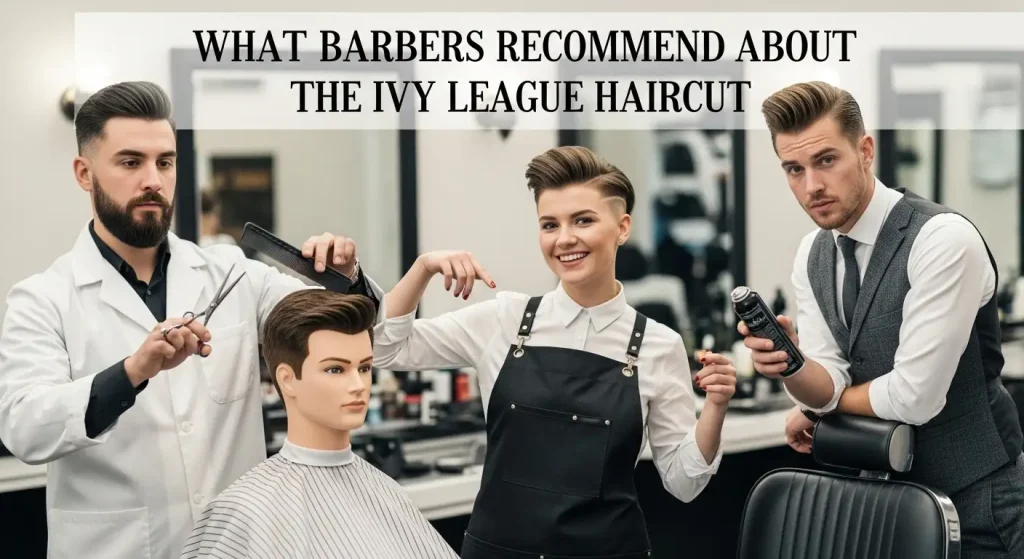
Professional barbers consider the Ivy League haircut one of the most reliable styles for men because it balances structure, versatility, and ease of maintenance. Experts recommend it for clients who want a clean, professional look without sacrificing styling flexibility.
History and Origin of the Ivy League Haircut
The Ivy League haircut has a long-standing reputation as a classic and sophisticated men’s hairstyle. Its origins are closely tied to elite American universities, where a clean, well-groomed appearance became a symbol of discipline, professionalism, and academic culture. Over time, this haircut moved beyond campuses and became one of the most recognized traditional hairstyles for men.
Ivy League Universities Influence
The term “Ivy League haircut” comes from the group of prestigious universities in the United States known as the Ivy League, including Harvard, Princeton, Yale, Columbia, and Brown. During the 1920s and 1930s, students at these institutions favored hairstyles that looked neat, respectable, and professional.
A shorter haircut with tapered sides and slightly longer hair on top became common among these students. The style allowed them to maintain a clean academic appearance while still having enough hair length to create a refined side part. Because the haircut became strongly associated with these universities, it eventually earned the name Ivy League haircut.
How the Haircut Became Popular
Although the haircut started on college campuses, it quickly gained popularity outside academic environments. By the 1940s and 1950s, the Ivy League haircut had become a standard grooming style for professionals, businessmen, and military personnel.
Barbers favored the style because it was structured, easy to maintain, and adaptable to different hair types. Its polished appearance also made it suitable for formal settings, helping it become one of the most trusted classic hairstyles for men.
Evolution of the Style
Over the decades, the Ivy League haircut has evolved while maintaining its core structure. Originally, the haircut was worn with a clean taper and a very defined side part, creating a conservative and traditional appearance.
Modern versions of the Ivy League haircut now include different fades, textured tops, and relaxed styling options. Many barbers combine the classic structure with modern taper fades, low fades, or textured layers, giving the haircut a contemporary look while preserving its timeless appeal.
Key Features of an Ivy League Haircut
The Ivy League haircut is easy to recognize because of its balanced proportions and clean structure. Several defining features make this hairstyle stand out from other short men’s haircuts.
Short Sides and Back
One of the most important elements of the Ivy League haircut is the short sides and back. These areas are usually cut with a taper or fade, creating a smooth transition from the shorter hair on the sides to the slightly longer hair on top.
This clean structure helps the haircut look sharp and well-groomed, making it ideal for professional and formal environments.
Longer Hair on Top
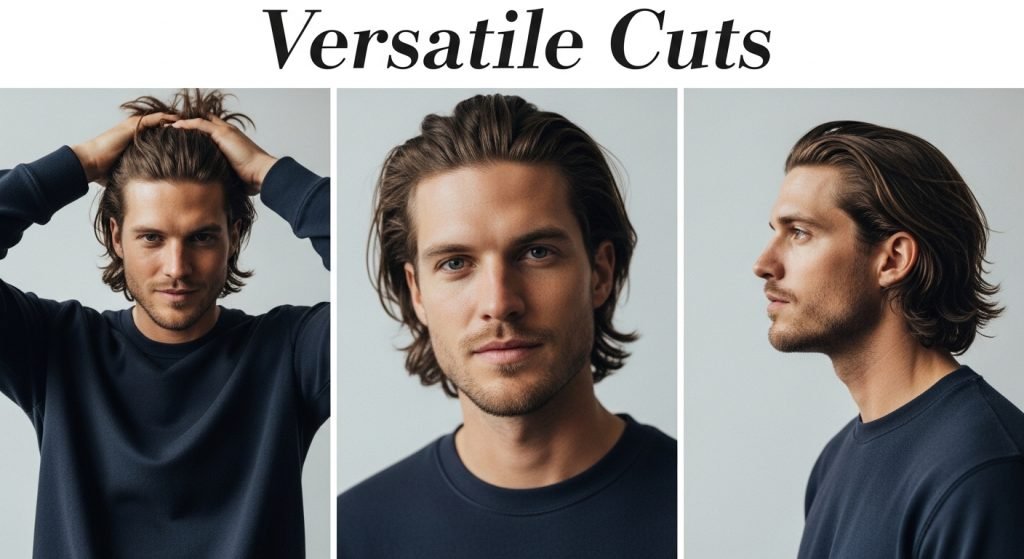
Unlike a traditional crew cut, the Ivy League haircut keeps more length on the top of the head. This extra length allows the hair to be styled in different ways, such as combing it to the side or adding texture for a more relaxed look.
The longer top section gives the haircut versatility, which is one reason it remains popular among men who want a refined yet flexible hairstyle.
Natural Side Part
A natural side part is another key feature of the Ivy League haircut. The longer hair on top can be combed neatly to one side, creating a classic appearance that reflects the haircut’s academic and professional origins.
Some men prefer a defined side part, while others opt for a soft natural part that looks more casual.
Clean Professional Look
The overall result of the Ivy League haircut is a clean, balanced, and professional look. Because of its structured shape and moderate hair length, the haircut works well for business settings, formal occasions, and everyday grooming.
This combination of simplicity and sophistication is what makes the Ivy League haircut a timeless choice for men.
Ivy League Haircut Length Guide
Understanding the correct hair length is essential when getting an Ivy League haircut. The style relies on precise proportions between the top, sides, and back, which help create its distinct polished appearance.
Ideal Top Length
The top section of an Ivy League haircut is usually left between 1.5 to 3 inches in length. This length provides enough hair to create a side part, add texture, or style the hair with grooming products.
If the top is cut too short, the haircut may start to resemble a crew cut, while longer lengths allow for more styling flexibility.
Side Taper Length
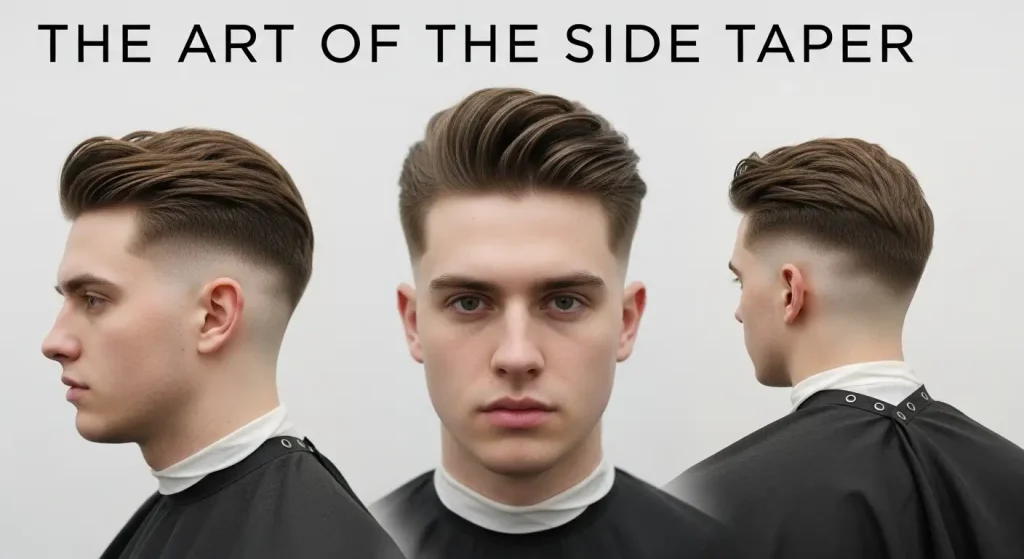
The sides and back are typically cut much shorter than the top using a tapered technique. Barbers usually trim the sides to about 0.5 to 1 inch, gradually blending them into the longer hair on top.
This taper creates a smooth transition that maintains the haircut’s clean and professional structure.
Fade Variations
Modern versions of the Ivy League haircut often incorporate fade styles to give the haircut a more contemporary appearance. Popular fade options include:
Low fade – A subtle fade that begins near the neckline and creates a soft transition.
Mid fade – A balanced fade that blends the sides and top more noticeably.
High fade – A sharper contrast that gives the haircut a modern and bold look.
Each fade variation maintains the core Ivy League structure while allowing men to personalize the haircut according to their style preference.
Ivy League Haircut vs Other Haircuts
| Haircut | Length on Top | Styling | Professional Level |
|---|---|---|---|
| Ivy League | Medium short | Flexible | ⭐⭐⭐⭐⭐ |
| Crew Cut | Very short | Minimal | ⭐⭐⭐⭐ |
| Buzz Cut | Very short | None | ⭐⭐⭐ |
| Side Part | Medium | Moderate | ⭐⭐⭐⭐⭐ |
Ivy League Haircut vs Other Haircuts
The Ivy League haircut is often compared with other popular men’s hairstyles because they share similar elements such as short sides and structured shapes. However, the Ivy League stands out due to its balanced length on top and styling flexibility. Understanding the differences can help you choose the right haircut for your face shape, lifestyle, and grooming preferences.
Ivy League vs Crew Cut
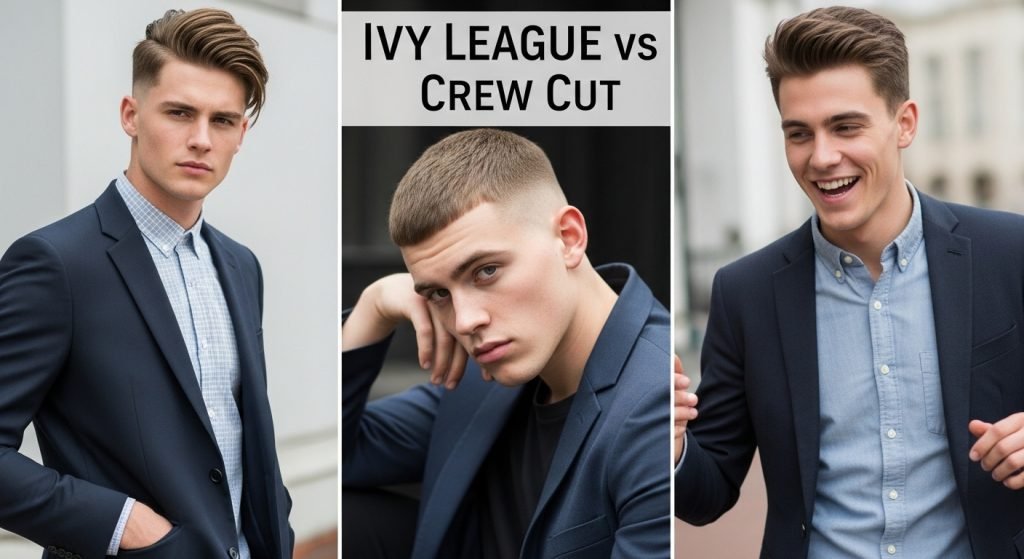
The Ivy League haircut and crew cut are closely related, but they are not the same. The crew cut is generally shorter and more uniform, with very little length on top. In contrast, the Ivy League haircut leaves slightly longer hair on top, allowing it to be styled with a side part or combed neatly to the side.
Another key difference is styling versatility. The crew cut requires minimal styling because the hair is cut very short, while the Ivy League haircut allows for more styling options using pomade, clay, or styling cream. Because of this added flexibility, the Ivy League haircut often looks more refined and professional.
Ivy League vs Buzz Cut
The buzz cut is one of the shortest and simplest hairstyles for men. It is usually created with electric clippers using the same guard length across the entire head, resulting in a very short and uniform appearance.
In comparison, the Ivy League haircut maintains short sides and back but keeps the top noticeably longer. This difference allows the Ivy League to offer more shape and styling possibilities, while the buzz cut focuses on extreme simplicity and low maintenance.
Men who want a clean yet sophisticated haircut often prefer the Ivy League because it looks more polished and structured than the buzz cut.
Ivy League vs Taper Cut
A taper cut refers to a technique rather than a specific hairstyle. In a taper cut, the hair gradually becomes shorter toward the neckline and around the ears, creating a natural blend.
The Ivy League haircut often uses a taper, but it also includes a specific structure with longer hair on top and a side part. This means the Ivy League haircut is actually a style that frequently incorporates tapering, while a taper cut itself can be used for many different hairstyles.
Ivy League vs Side Part
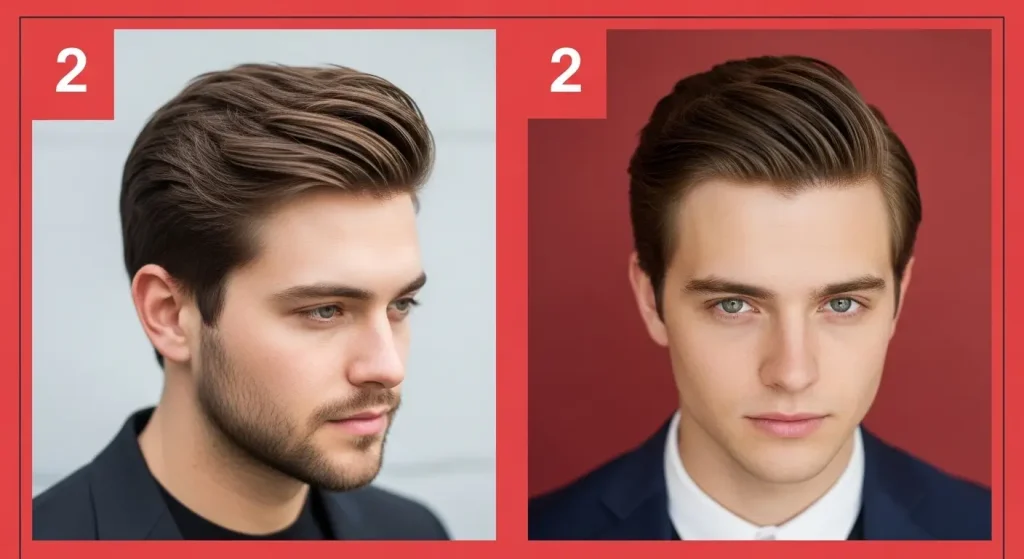
A side part haircut is another classic hairstyle where the hair is parted to one side. While the Ivy League haircut often includes a side part, the two styles are not identical.
The side part hairstyle usually keeps more length on top and sometimes on the sides, giving it a slightly fuller appearance. The Ivy League haircut, on the other hand, maintains shorter sides and a more compact structure, making it look cleaner and more controlled.
Because of this balance, the Ivy League haircut is often described as a shorter, more structured version of the traditional side part hairstyle.
Best Ivy League Haircut Styles
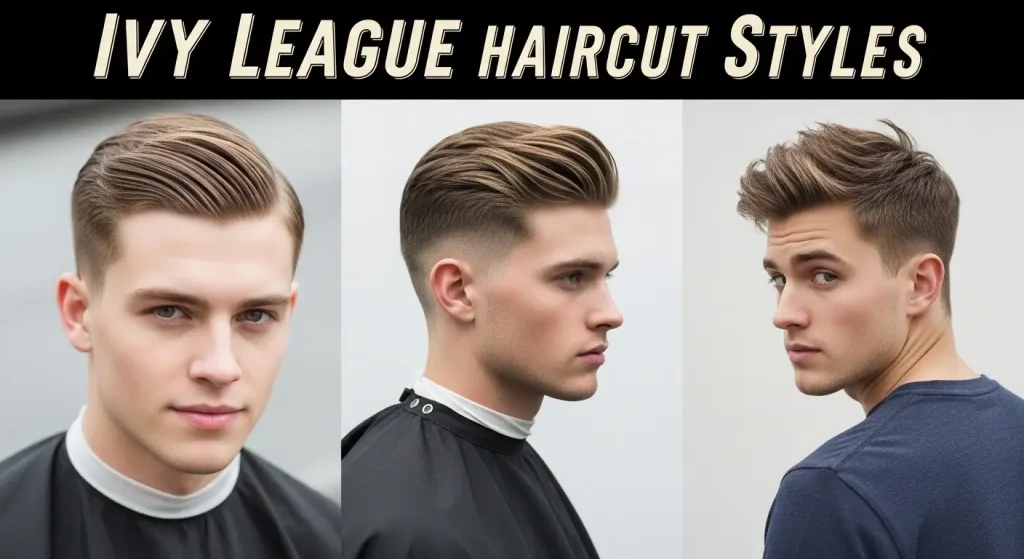
One of the reasons the Ivy League haircut remains popular is its versatility. Barbers can adjust the haircut in several ways to create different looks while still maintaining the classic structure of short sides and slightly longer hair on top.
Classic Ivy League Haircut
The classic Ivy League haircut represents the traditional version of the style. It features short tapered sides and back with neatly combed hair on top, usually styled with a defined side part.
This version is known for its clean and polished appearance, making it ideal for business professionals, students, and formal settings.
Ivy League Fade Haircut
The Ivy League fade haircut is a modern variation that combines the classic Ivy League structure with a fade on the sides and back. The fade gradually blends the hair from shorter lengths near the neckline to the longer hair on top.
This style creates a sharper and more contemporary look while maintaining the classic proportions of the Ivy League haircut.
Short Ivy League Haircut
The short Ivy League haircut keeps the overall structure but reduces the length slightly. The top remains long enough to create a subtle side part, but the haircut is generally closer to a crew cut in length.
This version is ideal for men who want a low-maintenance hairstyle that still looks neat and professional.
Textured Ivy League Haircut
The textured Ivy League haircut adds layers or slight texture to the hair on top. Instead of a perfectly smooth finish, the hair is styled with natural movement and volume.
This style works particularly well for men who prefer a modern and relaxed appearance, while still maintaining the clean shape of the Ivy League haircut.
Modern Ivy League Haircut
The modern Ivy League haircut blends the traditional style with contemporary grooming trends. Barbers often combine the haircut with mid fades, low fades, or subtle texture, giving the hairstyle a fresh and updated look.
Despite these modern touches, the haircut still retains the core Ivy League structure.
Ivy League With Fringe
The Ivy League with fringe variation keeps the classic sides and back but allows the hair on top to be styled slightly forward, creating a soft fringe at the front.
This version adds a younger and more casual feel to the haircut while maintaining its structured appearance.
Ivy League Haircut for Different Face Shapes
One of the reasons the Ivy League haircut is so popular is its ability to complement different face shapes. Because the haircut combines short sides with slightly longer hair on top, it can be adjusted to create better balance and proportion for various facial structures.
Round Face
For men with a round face shape, the goal is to create the illusion of more height and definition. An Ivy League haircut works well because the short sides and longer top can add vertical length to the face.
Keeping the sides slightly tighter and styling the top with a subtle side part or slight volume helps make the face appear longer and more structured.
Oval Face
The oval face shape is considered one of the most balanced facial structures, which means most hairstyles work well with it. The Ivy League haircut naturally complements an oval face because it maintains clean proportions without exaggerating any features.
Men with oval faces can experiment with different Ivy League variations, including textured styles or a classic side part.
Square Face
A square face shape is characterized by a strong jawline and broad forehead. The Ivy League haircut pairs well with this shape because the clean sides and structured top enhance the sharp and masculine features of the face.
Adding a natural side part or light texture on top can help soften the overall appearance while maintaining the haircut’s professional look.
Diamond Face
Men with a diamond face shape typically have wider cheekbones and a narrower forehead and chin. The Ivy League haircut works well because the slightly longer top helps balance the proportions of the face.
Keeping some moderate volume on top while avoiding overly tight sides helps create a more balanced and flattering appearance.
Ivy League Haircut for Different Hair Types
Another advantage of the Ivy League haircut is its ability to adapt to different hair textures and densities. With small adjustments in length and styling, the haircut can work well for almost any hair type.
Thick Hair
Men with thick hair often benefit from the Ivy League haircut because the style allows barbers to remove excess bulk from the sides while maintaining structure on top.
Adding light layering or texture on the top section can help control volume and make styling easier.
Thin Hair
The Ivy League haircut can also be a great option for men with thin or fine hair. Keeping the top slightly shorter while maintaining a clean taper on the sides helps create the appearance of fuller hair.
Using lightweight styling products can also add volume and natural movement.
Straight Hair
Straight hair works especially well with the Ivy League haircut because it naturally supports the clean side part and structured shape of the style.
Men with straight hair can easily create a smooth, polished look or add slight texture for a more relaxed style.
Wavy Hair
For men with wavy hair, the Ivy League haircut can create a natural textured appearance. The waves add volume and movement to the hair on top while the short sides keep the overall style neat.
Allowing the natural wave pattern to remain visible often produces a modern and effortless look.
Curly Hair
Curly hair can also work well with an Ivy League haircut when the top is left slightly longer to allow the curls to form naturally.
Keeping the sides neatly tapered helps control the overall shape, while the curls on top add unique texture and personality to the hairstyle.
How to Ask Your Barber for an Ivy League Haircut
Getting the perfect Ivy League haircut often depends on how clearly you communicate with your barber. Knowing the basic structure and length preferences can help ensure you receive the exact style you want.
Recommended Length
When asking for an Ivy League haircut, request short tapered sides and back with slightly longer hair on top. The top is typically kept between 1.5 to 3 inches, which allows enough length for styling and a natural side part.
The sides should be shorter than the top but blended smoothly to maintain the clean structure of the haircut.
Fade or Taper Options
Many modern versions of the Ivy League haircut include either a taper or a fade on the sides.
A taper creates a subtle and gradual transition, producing a classic and traditional look. A fade, on the other hand, provides a more noticeable contrast between the sides and top, giving the haircut a modern appearance.
Choosing between a taper or fade depends on your personal style and preference.
Photo References
One of the easiest ways to ensure you receive the correct haircut is to show your barber a photo reference. Bringing images of different Ivy League haircut styles helps your barber understand the exact length, texture, and fade style you want.
This simple step can greatly improve the chances of getting a precise and satisfying haircut.
How to Style an Ivy League Haircut
Styling the Ivy League haircut is usually simple because the haircut is designed to maintain its shape naturally. With the right technique and grooming products, you can create several different looks.
Classic Side Part
The classic side part is the most traditional way to style an Ivy League haircut. Start by applying a small amount of pomade or styling cream to slightly damp hair.
Use a comb to create a clean side part, then comb the hair neatly into place. This style creates a polished and professional appearance.
Casual Textured Style
For a more relaxed look, you can style the Ivy League haircut with natural texture. Apply a matte clay or lightweight styling product and use your fingers instead of a comb.
This method creates soft movement and volume, giving the hairstyle a modern and casual feel.
Messy Ivy League Style
The messy Ivy League style is ideal for men who prefer a more laid-back appearance. After applying a small amount of styling product, gently lift the hair on top using your fingers.
Allow the hair to fall naturally while maintaining the haircut’s overall shape and structure. This creates a style that looks effortless yet well-groomed.
Best Hair Products for Ivy League Haircut
Choosing the right hair products is essential for maintaining the clean and structured look of an Ivy League haircut. Because this hairstyle relies on controlled volume and a neat side part, the right styling product helps keep the hair manageable, polished, and long-lasting throughout the day.
Pomade
Pomade is one of the most popular products for styling an Ivy League haircut. It provides smooth control and a light shine, which helps create the classic side-parted look often associated with this hairstyle.
A small amount of pomade applied to slightly damp hair allows you to comb the hair neatly into place, making it ideal for formal and professional settings.
Matte Clay
For men who prefer a more modern and natural look, matte clay is an excellent option. Unlike pomade, matte clay offers strong hold with little or no shine, which creates a textured and relaxed appearance.
This product works especially well for textured or casual Ivy League styles, adding volume and definition without making the hair look overly styled.
Styling Cream
Styling cream is a lightweight product that provides soft hold and natural movement. It works well for men who want their Ivy League haircut to look neat but effortless.
This product is particularly helpful for thin or fine hair, as it adds subtle control without weighing the hair down.
Maintenance Tips for Ivy League Haircut
Keeping an Ivy League haircut looking sharp requires regular grooming and basic hair care. Fortunately, the haircut is relatively low maintenance, making it a practical option for men who want a clean and professional appearance without extensive styling effort.
Trim Frequency
To maintain the clean structure of an Ivy League haircut, it is recommended to visit the barber every 3 to 4 weeks. Regular trims help keep the sides neat and the top properly shaped, preventing the haircut from looking overgrown.
Consistent trimming ensures the haircut maintains its balanced proportions.
Daily Styling Routine
A simple daily routine can help keep your Ivy League haircut looking fresh and well-groomed. After washing your hair, apply a small amount of styling product, such as pomade, matte clay, or styling cream.
Use a comb or your fingers to create a natural side part and shape the hair on top. This process usually takes only a few minutes but greatly improves the overall appearance.
Hair Care Tips
Healthy hair plays an important role in maintaining the clean finish of the Ivy League haircut. Using a quality shampoo and conditioner helps keep the hair soft, manageable, and easy to style.
It is also helpful to avoid excessive product buildup by washing the hair regularly, which keeps the scalp healthy and the hairstyle looking natural.
Celebrity Ivy League Haircut Examples
Many well-known actors and public figures have worn the Ivy League haircut, proving that the style works well in both professional and casual environments. Celebrities often choose this haircut because it provides a refined yet versatile appearance.
Ryan Reynolds
Ryan Reynolds has frequently worn hairstyles similar to the Ivy League haircut, featuring short sides and neatly styled hair on top. His look demonstrates how the haircut can create a modern and polished appearance.
Matt Damon
Matt Damon is another celebrity known for wearing variations of the Ivy League hairstyle. His haircut often features clean tapered sides and a simple side part, making it a great example of a classic and professional grooming style.
Zac Efron
Zac Efron has also been seen with modern versions of the Ivy League haircut, sometimes incorporating texture and subtle fades. His style shows how the haircut can be adapted to create a younger and more contemporary look.
Pros and Cons of the Ivy League Haircut
Like any hairstyle, the Ivy League haircut has both advantages and limitations. Understanding these factors can help you decide whether this haircut suits your personal style and grooming preferences.
Advantages
One of the biggest advantages of the Ivy League haircut is its versatility. The haircut can be styled in different ways while still maintaining a clean and structured appearance.
It is also considered a professional hairstyle, making it suitable for business environments, formal occasions, and everyday wear. Additionally, the haircut requires minimal styling time, making it a convenient choice for men with busy schedules.
Possible Drawbacks
Although the Ivy League haircut is versatile, it may not be ideal for men who prefer very long hairstyles or extremely bold modern cuts.
Another potential drawback is the need for regular trims to maintain the haircut’s clean shape. Without consistent maintenance, the haircut can lose its defined structure.
Common Mistakes When Getting an Ivy League Haircut
Even though the Ivy League haircut appears simple, certain mistakes can prevent it from achieving its classic and balanced look.
Cutting Top Too Short
One common mistake is cutting the hair on top too short, which can make the haircut look more like a crew cut rather than a true Ivy League style. Keeping enough length on top is essential for styling flexibility and a defined side part.
Choosing Wrong Fade
Selecting the wrong fade style can also affect the overall appearance of the haircut. A fade that is too high or too aggressive may disrupt the classic proportions of the Ivy League haircut.
Choosing a subtle taper or balanced fade usually produces a more natural and polished result.
Using Wrong Styling Products
Using heavy or unsuitable styling products can make the hair look greasy or overly stiff. Selecting products that match your hair type and desired style helps maintain a clean and natural appearance.
The 3 Rules of a Perfect Ivy League Haircut
- Keep the sides clean and tapered
- Maintain enough length on top for styling
- Avoid extreme fades or overly short cuts
Frequently Asked Questions
What Is the Difference Between Ivy League and Crew Cut?
The Ivy League haircut is similar to a crew cut but leaves slightly more length on top, allowing the hair to be styled with a side part or textured finish. A crew cut is typically shorter and less flexible in styling.
Is Ivy League Haircut Good for Thin Hair?
Yes, the Ivy League haircut can work well for thin or fine hair. Keeping the top slightly shorter while maintaining a clean taper on the sides can create the appearance of fuller hair.
How Long Should Ivy League Haircut Be?
The hair on top of an Ivy League haircut is usually kept between 1.5 to 3 inches, while the sides and back are cut shorter with a taper or fade to create a balanced structure.
Is Ivy League Haircut Professional?
Yes, the Ivy League haircut is widely considered a professional and polished hairstyle. Its clean shape and classic side part make it suitable for business settings, formal occasions, and everyday wear.
Is Ivy League haircut low maintenance?
Yes, it requires minimal styling and simple upkeep.
Can Ivy League haircut work with curly hair?
Yes, with proper tapering and controlled volume.
Is Ivy League haircut modern or classic?
It is a classic haircut with modern variations.
Final Thoughts
The Ivy League haircut remains one of the most timeless and reliable choices for men who want a clean, structured, and versatile hairstyle. Its combination of short sides, a slightly longer top, and flexible styling options makes it suitable for both professional and casual environments.
What truly sets the Ivy League apart is its ability to adapt — whether you prefer a classic side part for a polished look or a more relaxed textured style for everyday wear. It’s a haircut that works with your face shape, hair type, and lifestyle rather than against it.
If you want a hairstyle that consistently looks sharp without requiring excessive effort, the Ivy League haircut is one of the smartest choices you can make. Focus on proper length, clean tapering, and regular maintenance — and you’ll always have a confident, well-groomed appearance.