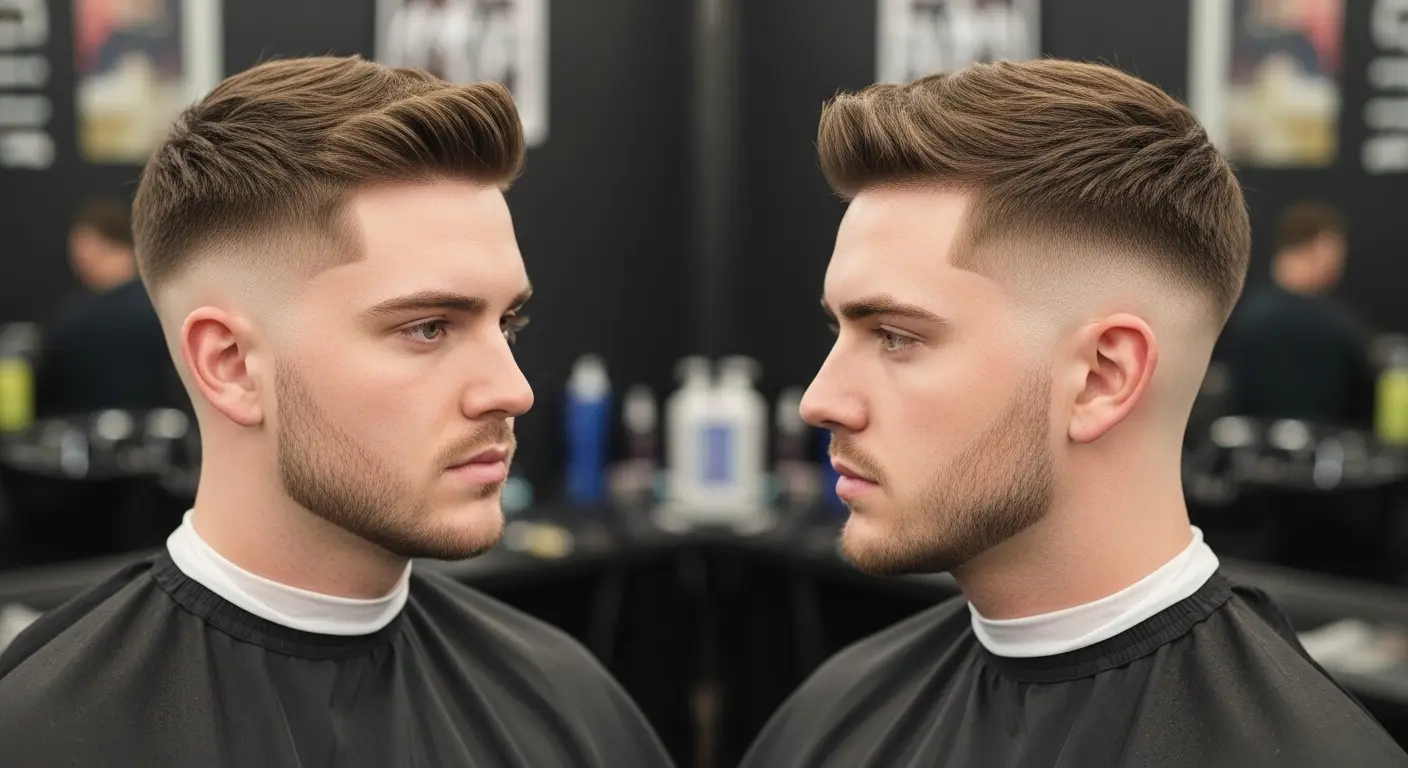
The low taper fade haircut is one of the most stylish, clean, and versatile men’s hairstyles in 2026. It strikes the perfect balance between a sharp, polished appearance and a natural, subtle finish, making it ideal for both professional environments and casual everyday looks.
What makes the low taper fade stand out is its smooth blending around the neckline and ears, while keeping enough length on top for flexible styling. Whether you have curly, straight, or wavy hair, this haircut adapts easily to your personal style.
In this complete guide, you’ll learn what a low taper fade is, how it compares to other fade styles, the best variations to try, and expert tips to maintain and style it perfectly.
Another reason many men choose the low taper fade haircut is its ability to suit a wide range of lifestyles. From office professionals and students to athletes and trend-conscious individuals, this haircut offers a balanced combination of style, simplicity, and easy maintenance. With the right styling products and proper barber techniques, the low taper fade can be customized to create anything from a modern trendy look to a timeless classic style.
In this complete guide, you will discover what a low taper fade haircut is, how it compares to other fade styles, the best low taper fade hairstyles for men, and expert barber tips to achieve the perfect look. You will also learn how to style, maintain, and choose the best low taper fade based on your hair type, face shape, and lifestyle, helping you decide if this popular haircut is the right choice for you.
You May Also Like:
Quick Answer:
A low taper fade is a haircut where the hair gradually shortens near the neckline and ears while keeping the top longer. It creates a clean, natural, and professional look suitable for all hair types and face shapes.
What Is a Low Taper Fade Haircut
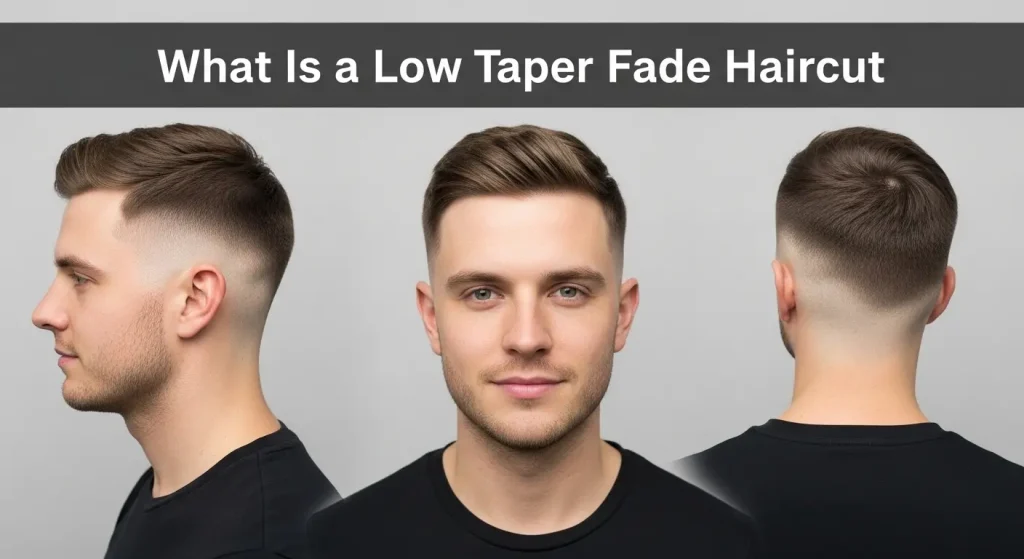
A low taper fade haircut is a modern men’s hairstyle that features a gradual reduction of hair length near the neckline and around the ears, creating a clean and smooth transition from longer hair on top to shorter hair along the sides and back. Unlike more dramatic fades, this style maintains a subtle blend, which keeps the overall look neat, balanced, and refined.
In a low taper fade, the transition usually begins just above the ears and around the natural hairline at the back of the neck. The barber carefully blends the hair in these lower areas while leaving the upper sections longer. This technique creates a soft, natural gradient rather than a sharp contrast, allowing the haircut to maintain structure without appearing overly aggressive.
One of the reasons the low taper fade haircut looks so natural is the smooth blending technique used during the cut. Instead of removing large amounts of hair quickly, barbers gradually shorten the hair using different clipper guard lengths. This approach results in a clean and polished finish that enhances the shape of the head while keeping the hairstyle professional and well-groomed.
The growing popularity of the low taper fade comes from its versatility and timeless appeal. It works well with many hairstyles, including textured tops, curly hair, comb-over styles, and classic side parts. Because it maintains a balanced appearance and suits a wide range of personal styles, many men choose this haircut for both everyday wear and professional environments.
Why the Low Taper Fade Is So Popular
The low taper fade haircut has become one of the most requested men’s hairstyles because it combines clean grooming, versatility, and practicality. Its balanced design keeps the sides and neckline neat while allowing the top to be styled in many different ways. This combination makes the haircut suitable for everyday wear as well as professional settings.
One of the biggest reasons for its popularity is the clean and professional appearance it creates. The gradual transition near the neckline and ears gives the haircut a polished finish without looking overly dramatic. Because of this subtle effect, the style fits well in office environments, formal occasions, and casual settings.
Another advantage of the low taper fade is that it works with many hairstyles. The top section can be styled in various ways such as textured crops, comb overs, curls, or longer modern styles. This flexibility allows individuals to adapt the haircut to their personal preferences while maintaining a refined look.
Maintenance is also relatively simple. The fade itself requires occasional trims to keep the neckline sharp, but daily styling is usually quick and manageable. With the right grooming routine and styling products, the haircut remains fresh and structured without demanding extensive effort.
Finally, the low taper fade suits most face shapes because of its balanced proportions. The gradual transition around the sides helps frame the head naturally, which makes the haircut flattering for many individuals regardless of their hair texture or facial structure.
Where the Low Taper Fade Starts on the Head
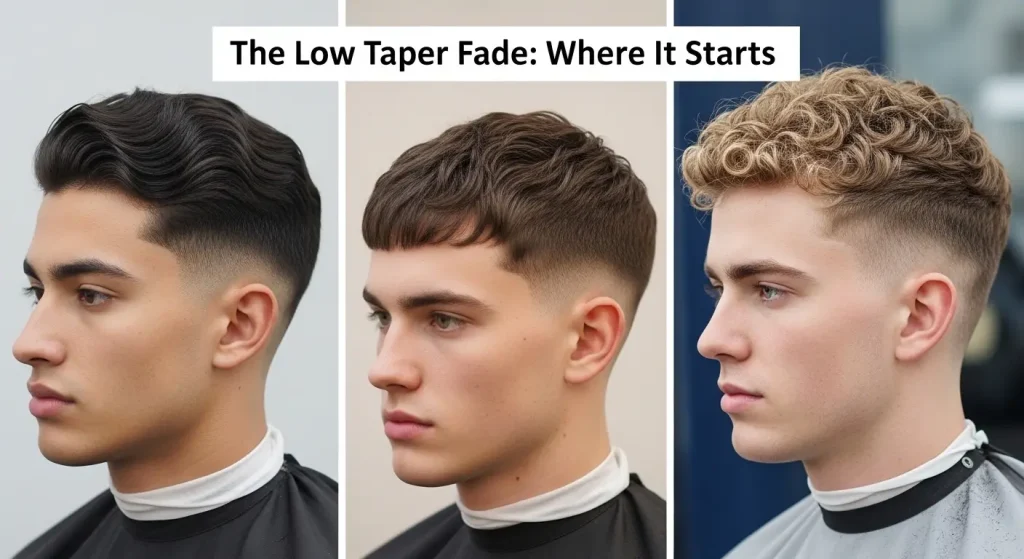
Understanding where the low taper fade begins helps explain why this haircut appears smooth and natural. Instead of starting high on the sides, the transition begins near the lower part of the head, creating a subtle gradient that blends into the natural hairline.
The fade typically begins around the temple area, where the barber starts reducing hair length gradually. This area marks the beginning of the transition while keeping the upper sections fuller and longer. The careful blending around the temples creates a balanced frame for the face.
Another important area is the neckline, where the hair becomes progressively shorter as it approaches the base of the neck. This tapering effect produces a clean and defined edge while maintaining a natural appearance that grows out smoothly over time.
The sideburn transition also plays a key role in shaping the haircut. Barbers blend the sideburns into the fade so that the hair connects naturally with facial hair or the jawline. This technique helps maintain a cohesive look between the haircut and any beard or stubble.
Overall, the gradual blending technique ensures there are no harsh lines or abrupt changes in length. The smooth transition is what gives the low taper fade its distinctive polished appearance and helps answer many common questions about what a taper fade actually looks like.
You May Also Like:
Low Taper Fade vs Other Fade Haircuts
| Feature | Low Taper Fade | Low Fade | Mid Fade | Skin Fade |
|---|---|---|---|---|
| Fade Starting Point | Very low (around neckline & ears) | Just above the ears | Middle of the sides | Varies (low, mid, or high) |
| Contrast Level | Subtle and natural | Moderate | Strong | Very high (sharp contrast) |
| Professional Look | Excellent (clean and office-friendly) | Good (balanced for work & casual) | Moderate (slightly bold) | Less formal (more edgy) |
| Maintenance | Low (easy to maintain) | Medium | Medium to high | High (requires frequent touch-ups) |
| Hair Length Retained | Keeps more hair on sides | Moderate hair retention | Less hair on sides | Minimal (faded down to skin) |
| Best For | All lifestyles (professional & casual) | Everyday wear (work + casual) | Trendy and modern styles | Bold, edgy, high-contrast looks |
| Growth Appearance | Grows out naturally and evenly | Noticeable regrowth | Faster visible regrowth | Needs frequent cleanup to stay sharp |
Low Taper Fade vs Low Fade
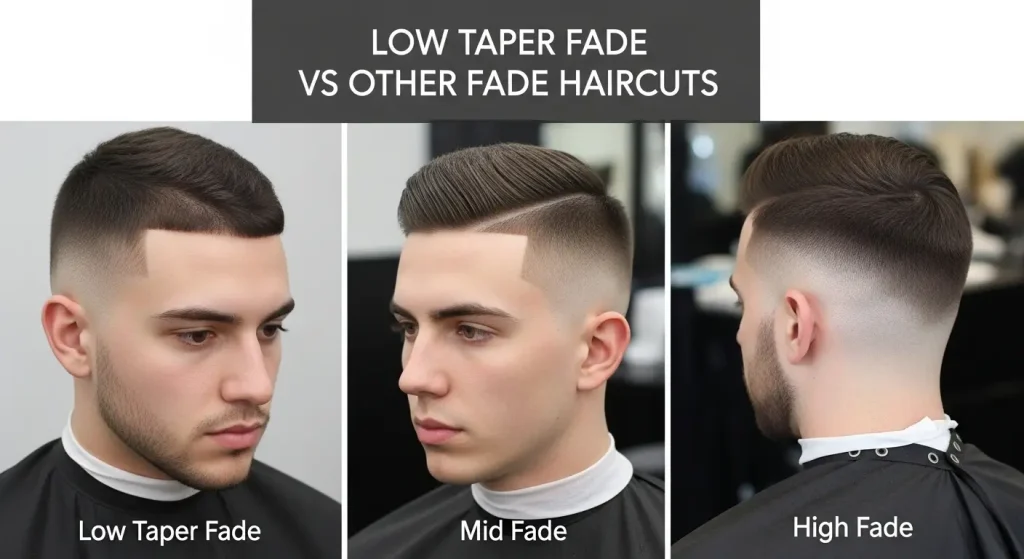
A low taper fade focuses on shortening hair mainly around the neckline and sideburns, while keeping most of the sides fuller. In contrast, a low fade removes more hair along the lower sides of the head, creating a more noticeable contrast between the top and sides.
Low Taper Fade vs Mid Fade
The difference between these styles lies in where the transition begins. A mid fade starts higher around the middle of the head, producing a stronger contrast. A low taper fade remains subtle because the blending stays close to the natural hairline.
Low Taper Fade vs Skin Fade
A skin fade blends the hair down to the scalp, creating a dramatic and sharp appearance. The low taper fade, however, maintains some hair length at the base, giving the haircut a softer and more natural finish.
Taper vs Fade Haircut
A taper haircut gradually shortens the hair near the edges while leaving most of the sides intact. A fade haircut creates a stronger transition between lengths and can extend higher on the head. The low taper fade blends both techniques for a balanced look.
30 Best Low Taper Fade Haircut Styles for Men
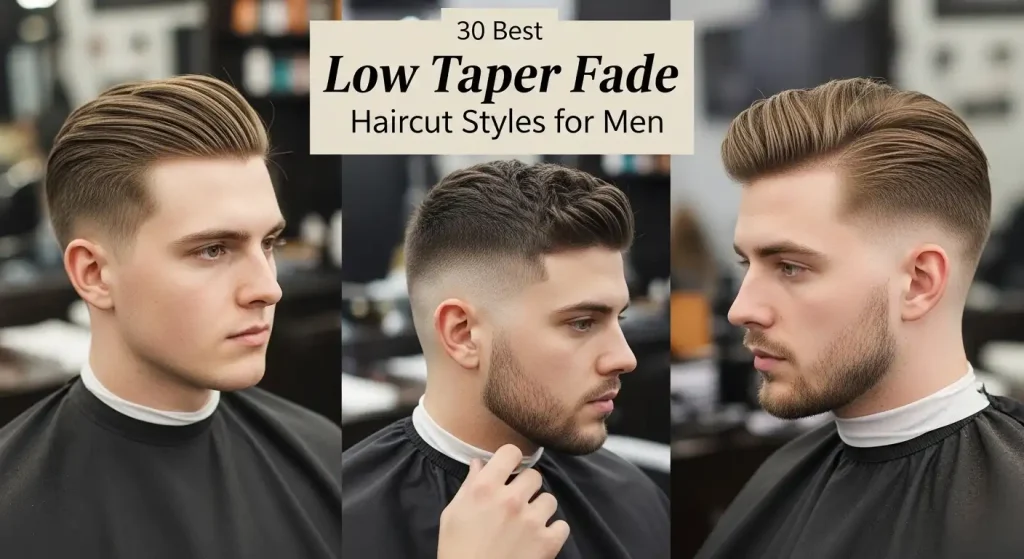
Classic Low Taper Fade
The classic low taper fade keeps the sides neatly blended while maintaining moderate length on top. This timeless style works well with simple grooming routines and creates a polished appearance suitable for professional or everyday environments.
Low Taper Fade with Textured Top
This variation combines a clean taper near the neckline with a textured hairstyle on top. The layered texture adds volume and movement, making the haircut ideal for modern styling and individuals who prefer a relaxed but structured look.
Low Taper Fade with Curly Hair
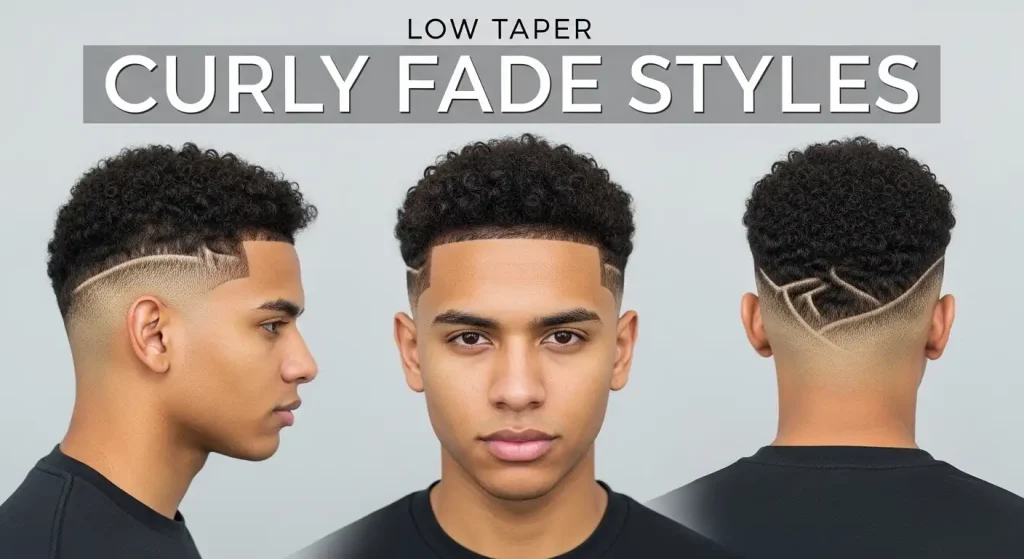
Curly hair pairs naturally with a low taper fade, as the gradual blending keeps the sides controlled while allowing curls to remain full on top. The contrast between tight curls and clean edges creates a stylish and balanced appearance.
Low Taper Fade with Straight Hair
Straight hair highlights the smooth transition of the taper fade, making the blending more visible. With a slightly longer top, this hairstyle can be styled neatly or casually depending on personal preference.
Low Taper Fade with Wavy Hair
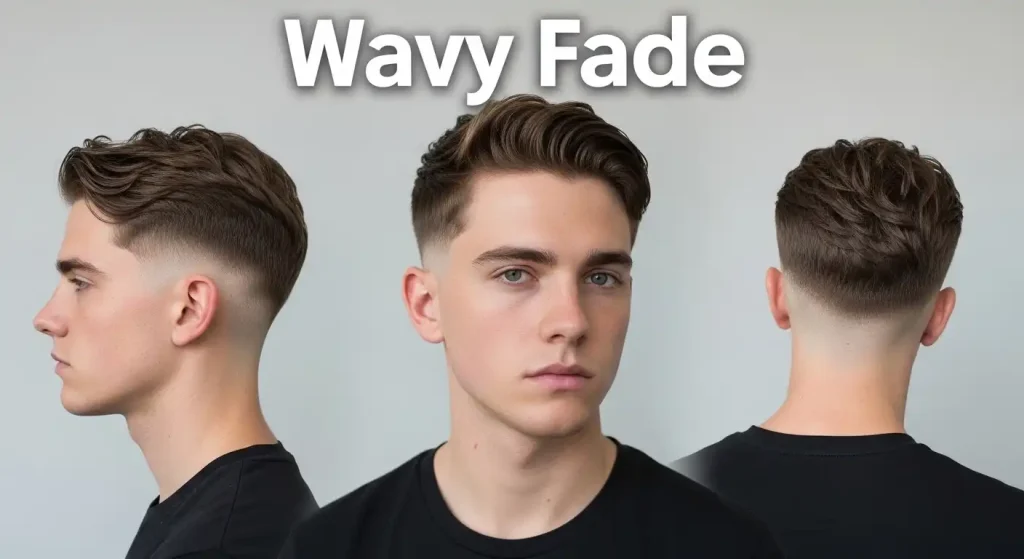
Wavy hair works well with this haircut because the soft waves add texture while the taper keeps the neckline tidy. The combination produces a relaxed yet refined style that suits both casual and professional settings.
Low Taper Fade with Fringe
A fringe paired with a low taper fade creates a modern hairstyle that frames the face naturally. The clean sides highlight the front section, making the fringe the focal point of the overall look.
Low Taper Fade with Beard
Blending the fade smoothly into a beard creates a balanced and masculine appearance. The gradual transition connects the haircut with facial hair, giving the overall grooming style a cohesive and structured finish.
Low Taper Fade with Buzz Cut
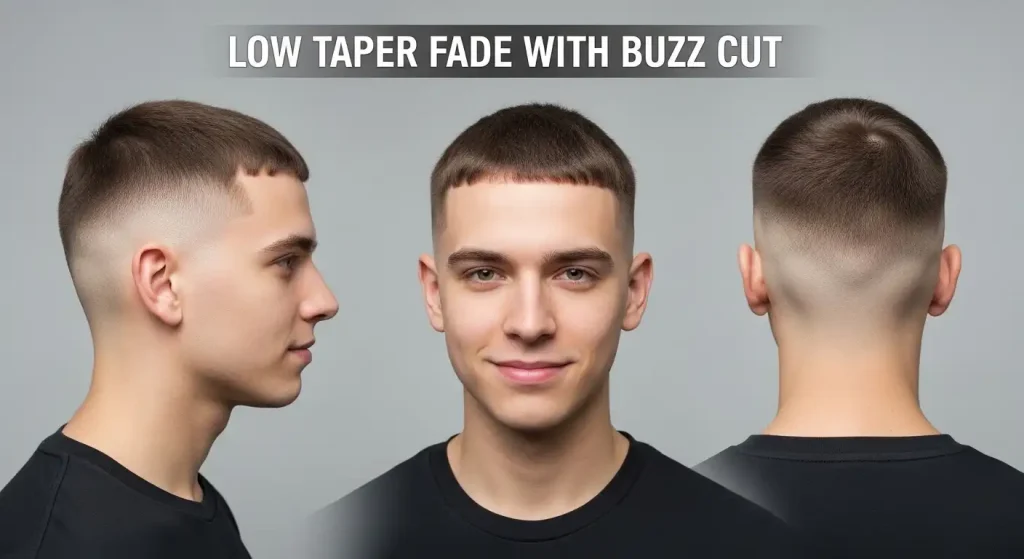
The buzz cut with a low taper fade keeps the haircut extremely simple while adding subtle detail around the neckline. This variation is ideal for individuals who prefer minimal maintenance with a sharp and clean finish.
Low Taper Fade with Slick Back
A slicked-back hairstyle combined with a low taper fade creates a refined and elegant look. The longer top allows the hair to be styled backward with product while the taper keeps the edges sharp.
Low Taper Fade with Comb Over
This style features a side-swept top section paired with neatly tapered sides. The comb-over adds structure and sophistication, making the haircut suitable for professional environments.
Low Taper Fade with Pompadour
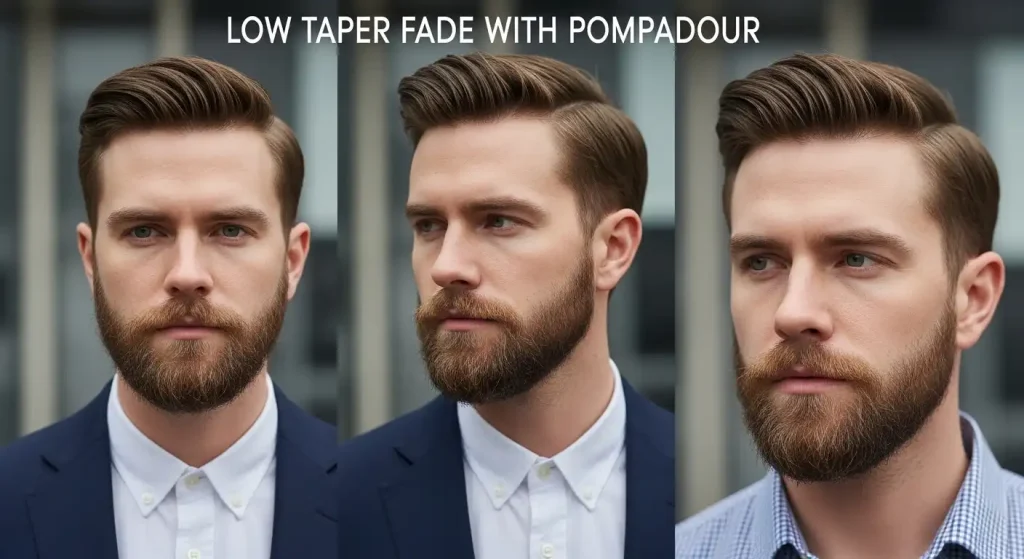
The pompadour adds height and volume to the top while the low taper fade keeps the sides controlled. This contrast creates a stylish and confident appearance with a classic influence.
Low Taper Fade with Afro
An afro combined with a clean taper fade highlights the natural texture of the hair while keeping the edges neat. The style maintains volume while ensuring the neckline remains sharp and well-groomed.
Low Taper Fade with Waves
This variation is popular among individuals who wear 360 waves. The taper keeps the sides tidy while allowing the wave pattern on top to remain the focal point of the hairstyle.
Low Taper Fade with Undercut
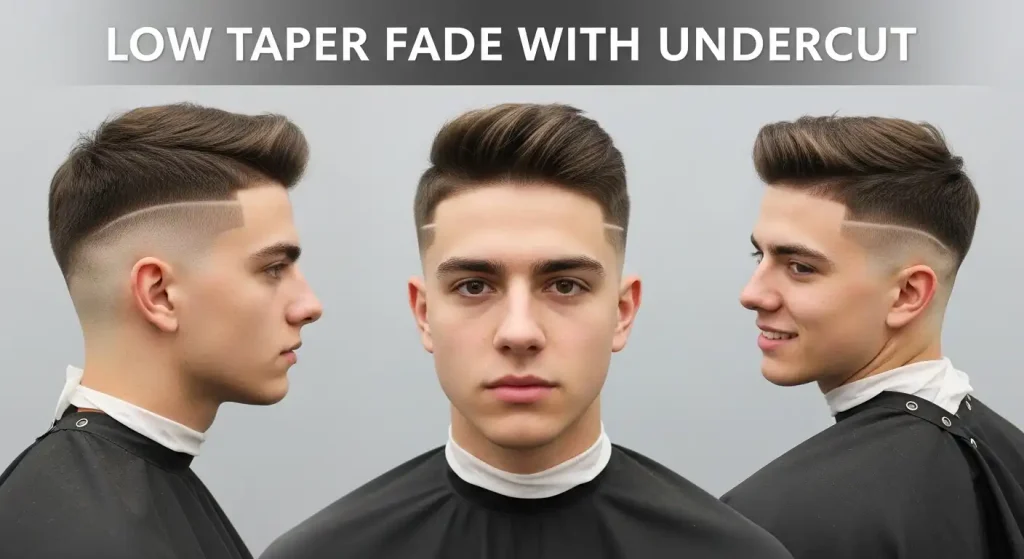
Pairing an undercut with a low taper fade creates a bold contrast between the longer top and shorter sides. This modern combination adds structure and allows various styling options.
Low Taper Fade with Middle Part
A middle part hairstyle combined with a subtle taper fade produces a balanced and stylish appearance. The clean sides emphasize the parted top, giving the haircut a trendy and youthful feel.
Low Taper Fade with Side Part
The side part remains one of the most classic hairstyles for men. When combined with a low taper fade, the result is a polished and professional haircut that suits many occasions.
Low Taper Fade with French Crop
The French crop features a short textured top with a defined fringe. Adding a low taper fade keeps the edges neat while maintaining the modern and structured look of the haircut.
Low Taper Fade with Quiff
A quiff adds height and movement to the front of the hair. The taper fade around the neckline ensures the style remains clean while the top maintains volume and character.
Low Taper Fade with Long Hair
Longer hair on top combined with a low taper fade creates a balanced contrast between length and structure. This variation allows for flexible styling while maintaining neat edges.
Low Taper Fade with Dreads
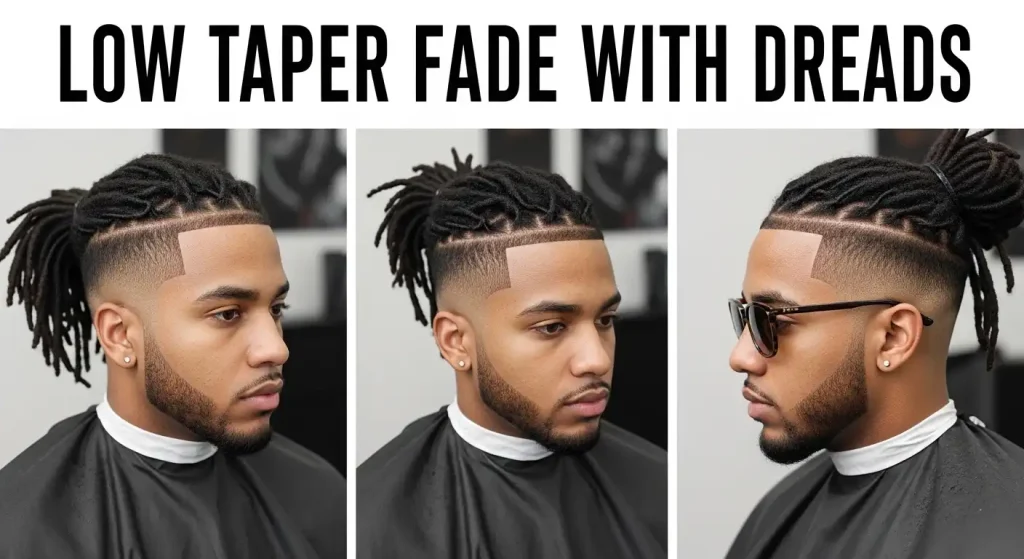
Dreadlocks paired with a low taper fade keep the hairstyle organized and defined. The fade cleans up the sides and neckline while the dreadlocks remain the dominant feature of the look.
Best Low Taper Fade for Different Hair Types
Curly Hair
A low taper fade with curly hair keeps the sides and neckline neat while allowing natural curls to remain full and defined on top. The gradual blending controls bulk around the edges while highlighting texture, creating a balanced and stylish appearance that emphasizes volume without looking messy.
Straight Hair
Straight hair works well with a low taper fade because the clean transition around the sides becomes more visible. The smooth texture makes the blending look sharp and polished, while the longer top can be styled into classic looks such as a side part, comb over, or textured finish.
Wavy Hair
Wavy hair naturally adds movement and dimension to a low taper fade haircut. The soft waves on top create a relaxed appearance, while the tapered sides keep the haircut structured and tidy. This combination produces a modern style that looks effortless yet well groomed.
Thick Hair
Individuals with thick hair benefit from a low taper fade because the gradual reduction near the neckline helps remove excess weight around the sides. Keeping the top slightly longer allows the hair to maintain its natural volume while preventing the overall style from appearing overly heavy.
Thin Hair
A low taper fade for thin hair helps create the illusion of fuller hair by keeping the sides neat and the top slightly longer. The contrast between the tapered edges and the top section adds depth and structure, making the hairstyle appear more balanced and voluminous.
Low Taper Fade for Different Face Shapes
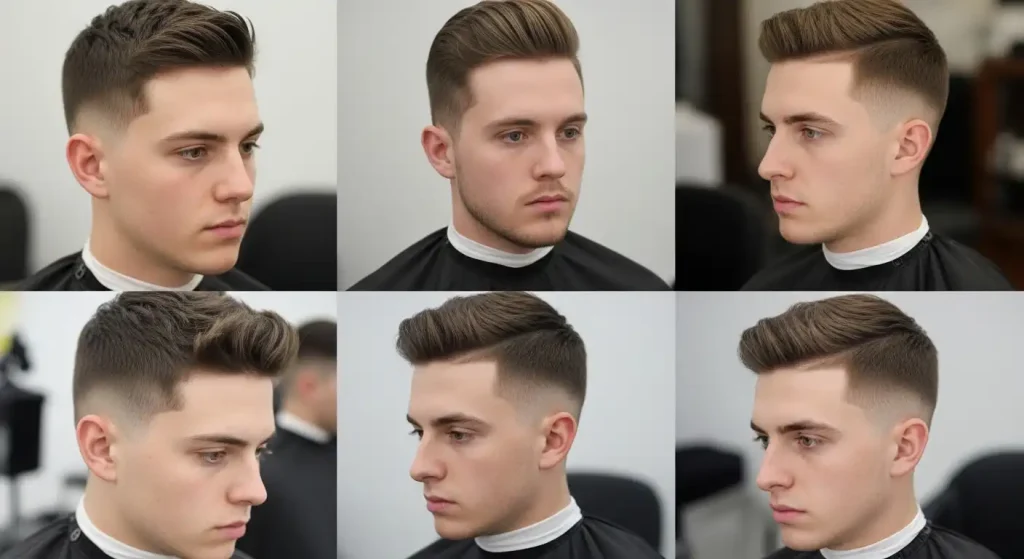
Round Face
For a round face shape, a low taper fade works best when the hair on top is styled with extra height or texture. Adding volume creates vertical balance and helps the face appear longer, while the clean taper around the sides prevents the haircut from looking too wide.
Oval Face
An oval face shape is naturally balanced, making it compatible with many variations of the low taper fade. Styles such as textured tops, side parts, or comb overs work especially well because they maintain proportion without overpowering the natural facial structure.
Square Face
A square face shape features strong jawlines and angular features. A low taper fade complements this structure by softening the sides while keeping the haircut structured. Styles with moderate volume on top enhance the sharp features without making the overall look too rigid.
Diamond Face
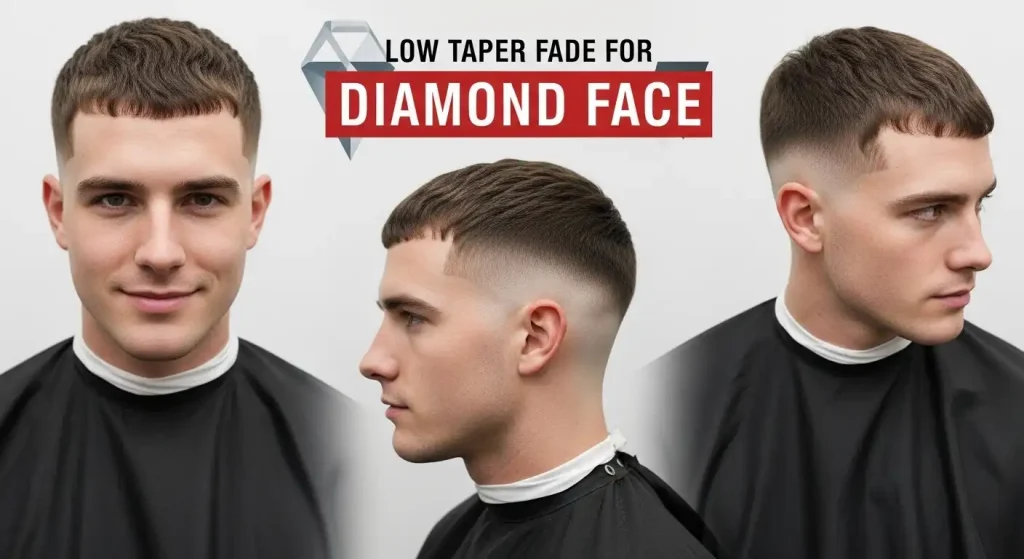
For individuals with a diamond face shape, maintaining some volume on the sides while using a subtle taper helps balance the narrower forehead and chin. Hairstyles such as textured crops or medium length tops work well because they add width and proportion.
Heart Face
A heart shaped face usually has a wider forehead and a narrower chin. A low taper fade paired with medium length hair on top helps create balance by reducing emphasis on the forehead while keeping the sides neatly blended.
Low Taper Fade for Different Lifestyles
Professional Workplace
A low taper fade is often chosen by professionals because it offers a clean and refined appearance without looking overly dramatic. Styles such as a side part or comb over maintain a polished look that fits well in formal work environments and corporate settings.
Casual Everyday Style
For casual settings, the low taper fade can be paired with textured or relaxed hairstyles that require minimal effort. A slightly messy top or natural finish gives the haircut a laid-back appearance while the tapered edges keep the overall style neat.
Athletes and Active Men
Athletes often prefer a low taper fade haircut because it keeps hair controlled around the sides and neckline. The shorter edges reduce bulk and make the haircut comfortable during physical activities while still allowing some styling flexibility on top.
Students and Teenagers
Students and younger individuals often choose the low taper fade because it combines modern style with easy maintenance. Variations such as textured tops, fringes, or wavy styles create a trendy appearance while the taper keeps the haircut clean and structured.
How to Ask Your Barber for a Low Taper Fade
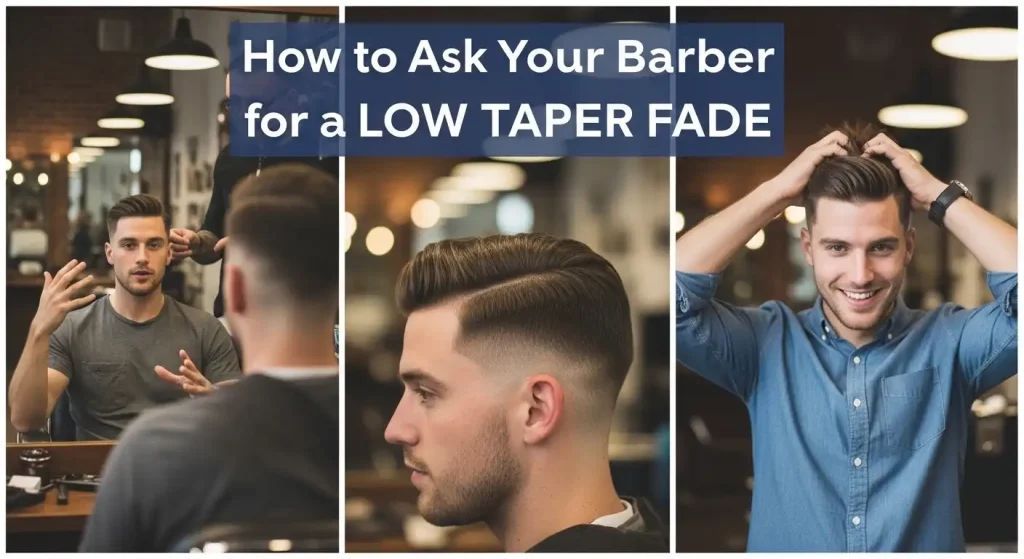
Getting the perfect low taper fade haircut often depends on how clearly you communicate with your barber. Knowing the right terms and describing the details of the haircut helps ensure the final result matches your expectations. A clear explanation also prevents misunderstandings about the fade height or hair length.
Start by using proper barber terminology when describing the haircut. Ask specifically for a low taper fade, which means the gradual shortening of hair will begin near the neckline and around the ears. Mention whether you want the top to remain longer or if you prefer a shorter style.
Another helpful step is discussing clipper guard numbers. Guard numbers determine how short the barber cuts the hair. For example, you might request a longer guard on the upper sides while keeping the taper shorter near the neckline. This helps control the overall balance between the top and sides.
Showing reference photos can also make communication easier. Bringing a picture of a hairstyle you like allows the barber to clearly understand the shape, blending style, and length you want. Visual examples often prevent confusion and lead to better results.
Finally, describe the fade height and blending preference. Explain that you want the taper to remain low around the sides and back instead of starting higher on the head. This detail ensures the haircut maintains the subtle and natural look that defines a low taper fade.
You May Also Like:
Barber Tips for Getting the Perfect Low Taper Fade
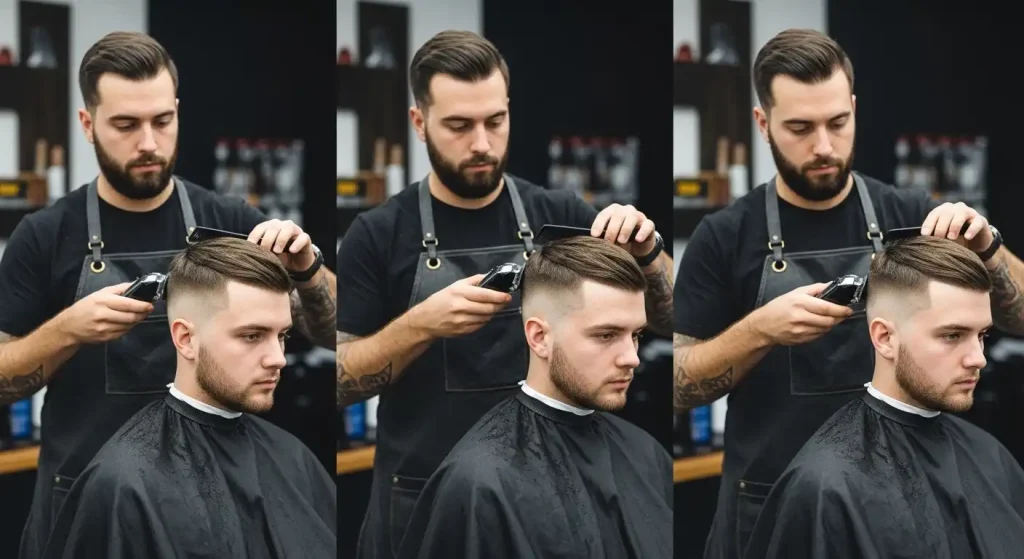
Achieving a clean and polished low taper fade haircut requires skillful barber techniques. Professional barbers focus on careful blending and shaping to create a smooth transition between different hair lengths. These techniques ensure the haircut looks balanced from every angle.
One important technique is precise blending. Barbers gradually reduce the hair length using multiple clipper guards to create a soft transition from longer hair on top to shorter hair near the neckline. Proper blending prevents harsh lines and produces a smooth gradient.
Another key detail is neckline shaping. The barber carefully trims the hair at the base of the neck to create a clean and defined edge. A well-shaped neckline enhances the overall appearance of the haircut and keeps it looking neat as the hair grows.
Maintaining symmetry on both sides of the head is equally important. A skilled barber checks the balance of the fade from different angles to ensure both sides match perfectly. This attention to detail helps the haircut appear structured and professionally finished.
How to Style a Low Taper Fade at Home
Styling a low taper fade haircut at home is relatively simple and can be done with a few basic grooming steps. The key is maintaining volume and shape on the top section while keeping the tapered edges neat.
Begin with a daily styling routine that includes washing and lightly drying the hair before applying a suitable styling product. Products such as pomade, clay, or styling cream can help control the hair and maintain the desired shape throughout the day.
Using blow drying techniques can also improve the final look. Blow drying the hair in the direction you want it styled helps add volume and structure. A round brush or comb can guide the hair into position while drying.
To finish the style, focus on adding texture and definition. Gently working a small amount of styling product through the hair creates separation and movement, giving the hairstyle a natural yet polished appearance that complements the clean lines of the low taper fade.
Best Hair Products for a Low Taper Fade
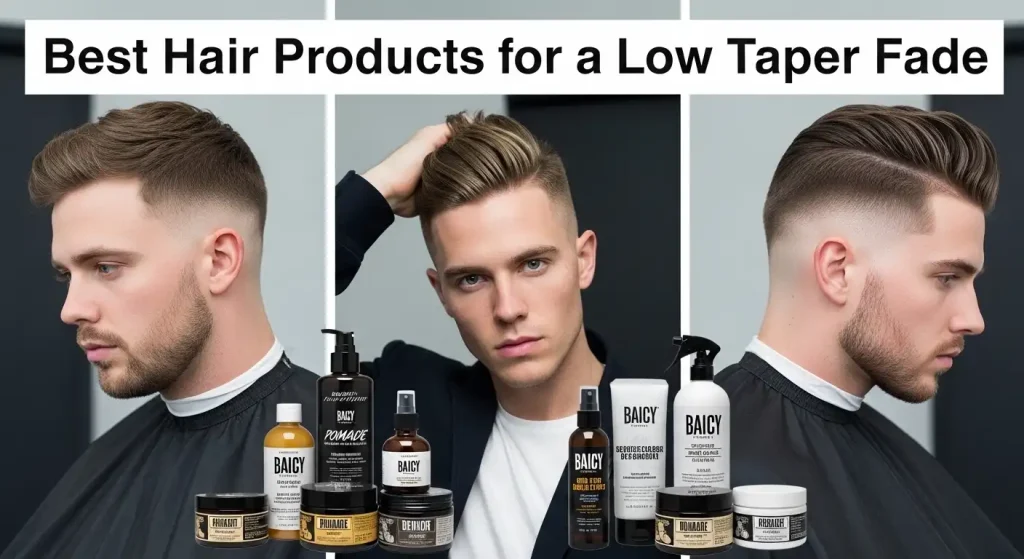
Using the right hair styling products helps maintain the shape and definition of a low taper fade haircut. Since the sides and neckline are neatly blended, the top section usually requires styling to keep the haircut balanced and polished. Choosing a product that matches your hair type and preferred finish can improve both texture and hold.
Pomade
Pomade is one of the most popular products for styling a low taper fade. It provides a smooth finish and medium to strong hold, making it ideal for styles like slick backs, side parts, and comb overs. Pomade also adds shine, which enhances the clean and refined appearance of the haircut.
Matte Clay
Matte clay is a great option for individuals who prefer a natural, textured look. It adds volume and hold without creating shine, making it suitable for modern hairstyles such as textured tops, messy styles, or quiffs. Matte clay works especially well for thicker hair.
Styling Cream
Styling cream offers a lighter hold and a softer finish compared to other products. It is ideal for maintaining natural movement and flexible styling, particularly for wavy or medium-length hair. This product helps control frizz while keeping the hairstyle relaxed and easy to manage.
Hair Wax
Hair wax provides strong hold and definition, making it effective for structured hairstyles. It allows you to reshape the hair during the day while maintaining control. Wax is commonly used for styles that require separation, texture, and a firm finish.
How to Maintain a Low Taper Fade
Proper maintenance keeps a low taper fade haircut looking sharp and well-groomed. Because the style depends on clean edges and smooth blending, regular upkeep is important to preserve its neat appearance.
One important factor is trim frequency. Most people schedule a haircut every two to three weeks to maintain the clean transition around the neckline and sides. Regular trims prevent the fade from losing its definition as the hair grows.
Maintaining a healthy hair washing routine also helps keep the haircut looking fresh. Washing the hair several times a week removes excess oil and styling product buildup while keeping the scalp clean. Using a quality shampoo and conditioner can also improve the texture and manageability of the hair.
Another useful maintenance step is neckline cleanup. The hair around the back of the neck tends to grow quickly, which can make the fade look uneven. Lightly trimming this area between barber visits helps keep the haircut neat and structured.
How Long a Low Taper Fade Lasts
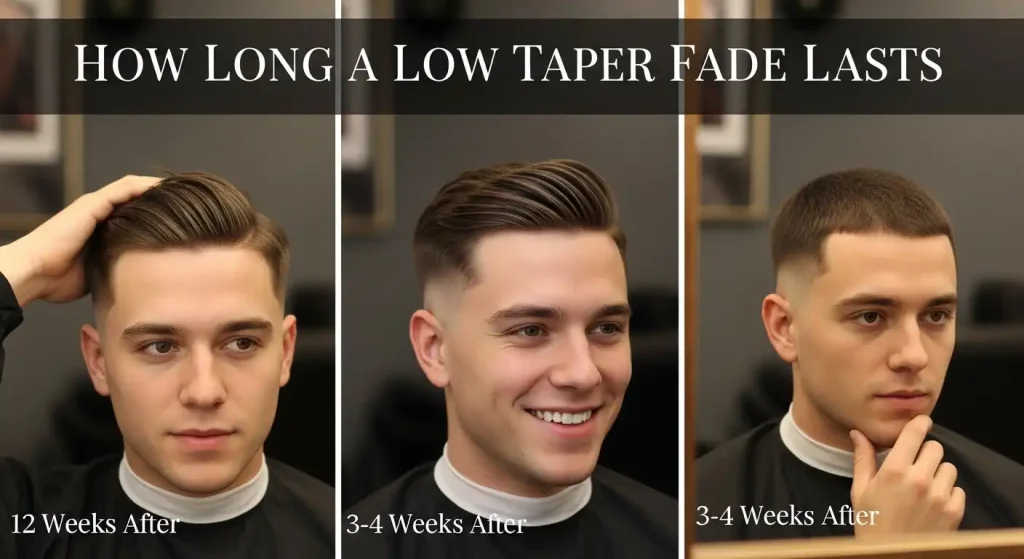
The lifespan of a low taper fade haircut depends on hair growth speed, grooming habits, and how sharply the fade was originally cut. Although the style grows out naturally, the clean edges can gradually lose definition over time.
In most cases, the typical duration of a low taper fade is around two to four weeks before the haircut begins to look less defined. During this time, the gradual blending remains visible, but the neckline and sideburn areas may start to appear less sharp.
To maintain a clean appearance, it is recommended to schedule a trim every two or three weeks. Regular touch-ups keep the fade sharp and prevent the haircut from looking overgrown.
Hair growth plays an important role in how long the fade lasts. Individuals with faster hair growth may notice the edges becoming less defined sooner, while slower growth allows the haircut to maintain its shape for a longer period. Proper grooming and occasional touch-ups help extend the fresh appearance of the style.
Pros and Cons of a Low Taper Fade
Like many modern hairstyles, the low taper fade haircut offers several advantages while also having a few considerations. Understanding both sides can help you decide whether this haircut fits your personal style, lifestyle, and grooming routine.
Advantages
Versatile haircut
One of the biggest benefits of a low taper fade is its versatility. The clean taper around the neckline works well with many hairstyles such as textured tops, curly hair, comb overs, and classic side parts. This flexibility allows individuals to adapt the haircut to different looks without changing the fade itself.
Professional look
The subtle blending around the sides and back creates a clean and polished appearance. Because the fade remains low and natural, the haircut looks appropriate in professional environments, making it a popular choice for workplaces and formal settings.
Works with many styles
A low taper fade pairs well with both short and medium-length hairstyles. Whether you prefer a classic, modern, or textured look, the tapered edges provide a neat foundation that enhances the overall hairstyle.
Possible Drawbacks
Requires regular trimming
Since the fade relies on clean edges and smooth blending, it may require regular barber visits to maintain its sharp appearance. Without periodic trims, the neckline and sideburn areas can grow out and reduce the definition of the fade.
Not ideal for very short hair
While the style works with many lengths, extremely short hairstyles may reduce the visible effect of the taper. In some cases, a slightly longer top helps highlight the contrast between the tapered sides and the upper section.
Common Mistakes When Getting a Low Taper Fade
Although the low taper fade haircut is a simple and versatile style, certain mistakes can affect the final result. Avoiding these common issues helps ensure the haircut looks balanced and well-groomed.
Choosing the wrong fade height
One of the most common mistakes is requesting a fade that starts too high on the head. A low taper fade should begin near the neckline and around the ears, so choosing the correct fade height is important for maintaining the subtle and natural appearance of the style.
Cutting the top too short
Keeping some length on top helps create contrast with the tapered sides. If the top is cut too short, the hairstyle may lose its structure and reduce styling options.
Ignoring face shape
Selecting a hairstyle that does not complement your face shape can affect the overall balance of the haircut. Adjusting the volume, length, or styling direction of the top can help the low taper fade suit different facial structures.
Using poor styling products
Low-quality styling products may make the hair appear greasy, stiff, or difficult to manage. Choosing suitable products such as pomade, matte clay, or styling cream helps maintain a clean and natural finish.
Celebrity Low Taper Fade Haircuts
Many well-known celebrities have adopted the low taper fade haircut because of its clean appearance and versatility. These public figures often showcase how the style can work with different hair textures and modern grooming trends.
Ryan Reynolds
Ryan Reynolds frequently wears hairstyles that combine a low taper fade with a textured or side-parted top. This look creates a polished and professional appearance that suits formal events as well as casual settings.
Michael B. Jordan
Michael B. Jordan is known for hairstyles that incorporate sharp tapers and clean edges, often paired with short curls or textured tops. His style highlights how the low taper fade can enhance natural hair texture while maintaining a refined finish.
Zayn Malik
Zayn Malik has experimented with many hairstyles, including variations that feature a low taper fade combined with modern textured styles. His approach demonstrates how the haircut can support both classic and trendy looks.
Including celebrity examples helps readers visualize different styling possibilities while also increasing engagement with the topic.
Average Cost of a Low Taper Fade Haircut
The price of a low taper fade haircut can vary depending on several factors, including the barber’s experience, the location of the barbershop, and the level of service provided.
Barber pricing
In many standard barbershops, a low taper fade haircut typically costs between $20 and $40. This price may increase if the haircut includes additional services such as beard trimming or detailed styling.
Regional differences
Prices can also vary based on geographic location. Barbershops in major cities or high-demand areas may charge higher prices compared to smaller towns or suburban areas.
Premium barber shops
High-end or specialty barbershops often charge $50 or more for detailed fade haircuts. These shops may offer additional services such as personalized consultations, advanced blending techniques, and luxury grooming products.
FAQs About Low Taper Fade
What is a low taper fade haircut?
A low taper fade haircut features a gradual shortening of hair near the neckline and around the ears while leaving the top longer. The smooth transition creates a clean and natural appearance.
How long does a taper fade last?
Most low taper fades remain sharp for about two to four weeks, depending on hair growth and maintenance habits.
Is a low taper fade professional?
Yes, the subtle blending and clean edges give the haircut a professional and polished look, making it suitable for many workplaces.
What number is a taper fade?
Barbers often use multiple clipper guard numbers to create a smooth transition, usually starting with shorter guards near the neckline and gradually increasing the length toward the upper sections.
How often should you trim a taper fade?
To maintain a fresh appearance, many people schedule a trim every two to three weeks, especially to keep the neckline and sideburn areas clean.
What is a low taper fade?
A low taper fade is a haircut with a gradual fade around the neckline and ears while keeping the top longer.
How long does a taper fade last?
A low taper fade lasts around 2–4 weeks depending on hair growth.
Expert Tip:
Professional barbers recommend choosing a low taper fade if you want a clean, low-maintenance haircut that grows out naturally without looking messy.
Conclusion
The low taper fade haircut remains one of the best choices for men who want a clean, modern, and adaptable hairstyle. Its subtle blending, sharp edges, and natural finish make it suitable for nearly every hair type, face shape, and lifestyle.Whether you prefer a classic professional look or a more relaxed, textured style, the low taper fade provides a strong foundation that enhances your overall appearance without requiring heavy maintenance.If you’re looking for a haircut that stays stylish, grows out neatly, and works in any setting, the low taper fade is a smart and reliable option worth trying.