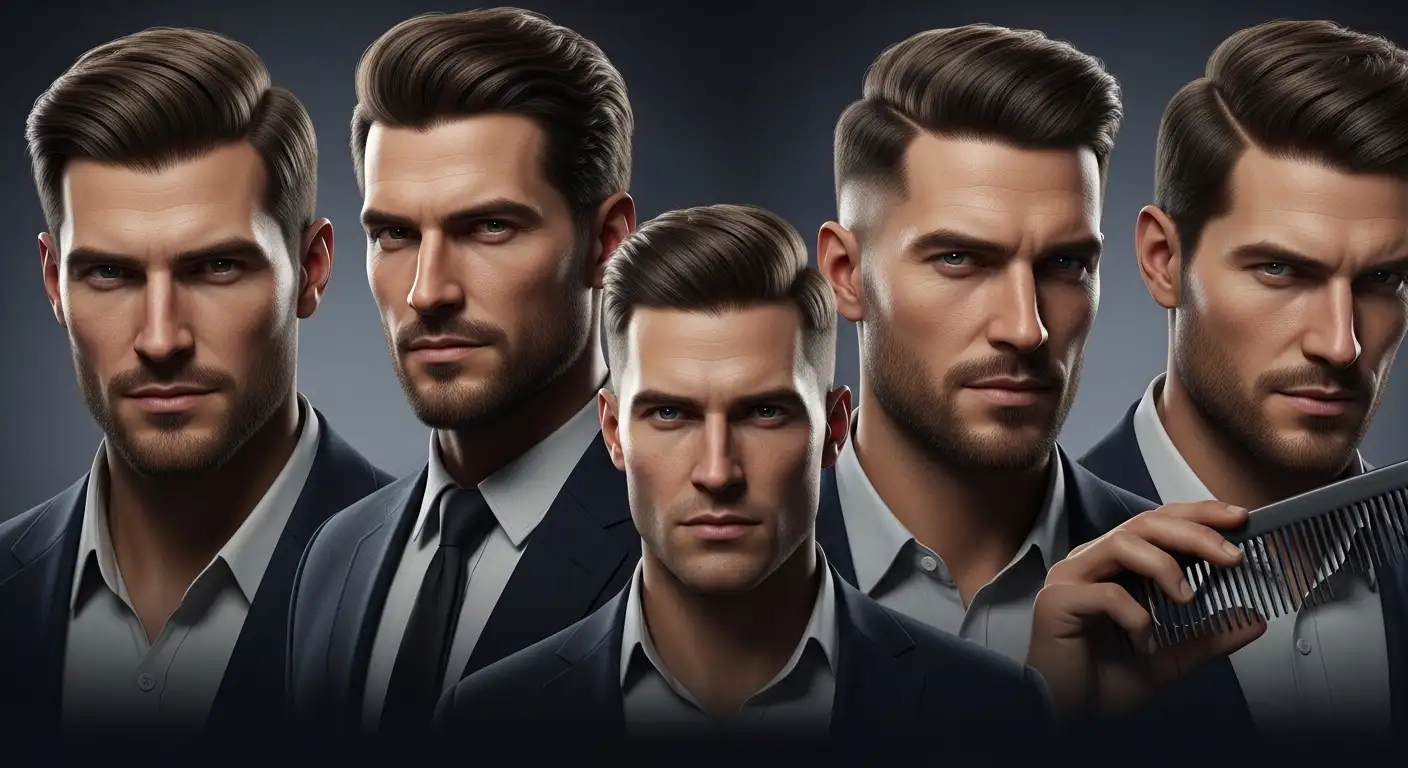
Professional haircuts for men can influence how professional, trustworthy, and competent you appear within seconds. Most men don’t realize this—but in many cases, your hairstyle matters just as much as your outfit. The right haircut can quietly elevate your authority, while the wrong one can undermine it without you even knowing.
Whether you work in corporate finance, law, tech, sales, or a creative industry, understanding what makes a haircut truly workplace-appropriate is essential. The best professional hairstyles are not boring — they are polished, controlled, and strategically styled to suit your face shape, hair type, age, and industry expectations.
In this guide, you’ll discover the best professional haircuts for men, how to choose the right one for your situation, and the key details that separate an average cut from a sharp, executive-ready look. By the end, you won’t just have inspiration — you’ll have a clear decision framework to select a haircut that works in any professional environment.
Quick Answer: Best Professional Haircuts for Men
The best professional haircuts for men are clean, structured, and low to moderate in contrast. Top choices include the classic side part, Ivy League, crew cut, and low taper fade. These styles enhance facial structure while maintaining a polished, workplace-appropriate appearance.
You May Also Like:
Best Attractive Men’s Hairstyles for Every Face Shape (2026 Guide)
30 Low Fade Haircuts for Men That Look Sharp in 2026
Best Older Mens Hairstyles 2026 for Men Over 50
What Makes a Haircut Truly Professional?
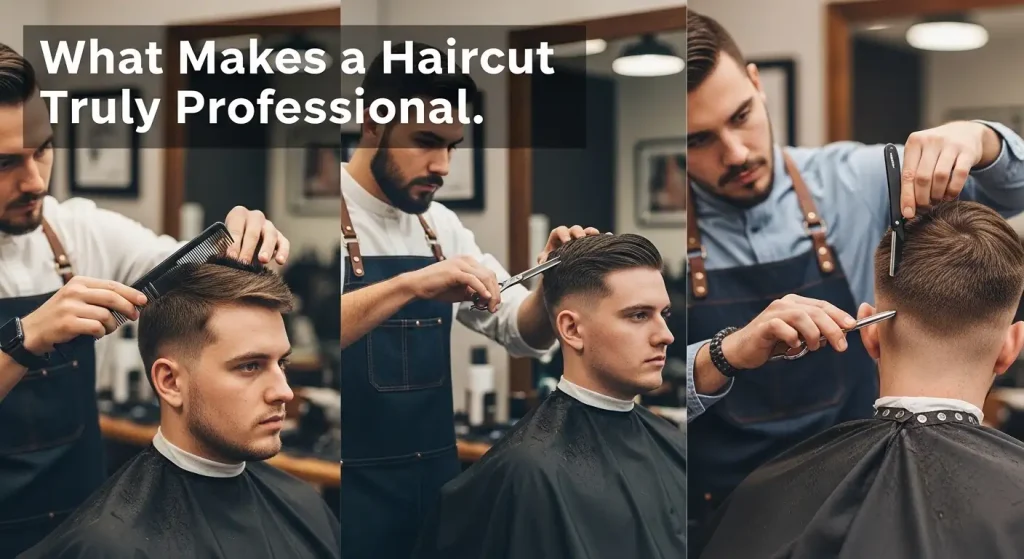
A professional haircut for men is not defined by how trendy it looks — it’s defined by how clean, balanced, and controlled it appears. In workplace settings, especially corporate environments, your hairstyle should communicate discipline, reliability, and structure. While competitors often list different styles, the real key is understanding the standards that make any haircut look professional.
Here’s what truly separates a sharp, workplace-ready haircut from an average one:
Clean Lines & Symmetry
A professional haircut always looks intentional and precise. Clean edges around the neckline, sideburns, and hairline create a polished appearance. Symmetry ensures both sides of the head look balanced, which subtly communicates attention to detail and organization.
Uneven fades, overgrown edges, or sloppy lines instantly reduce the professional impact.
Conservative Fade Height
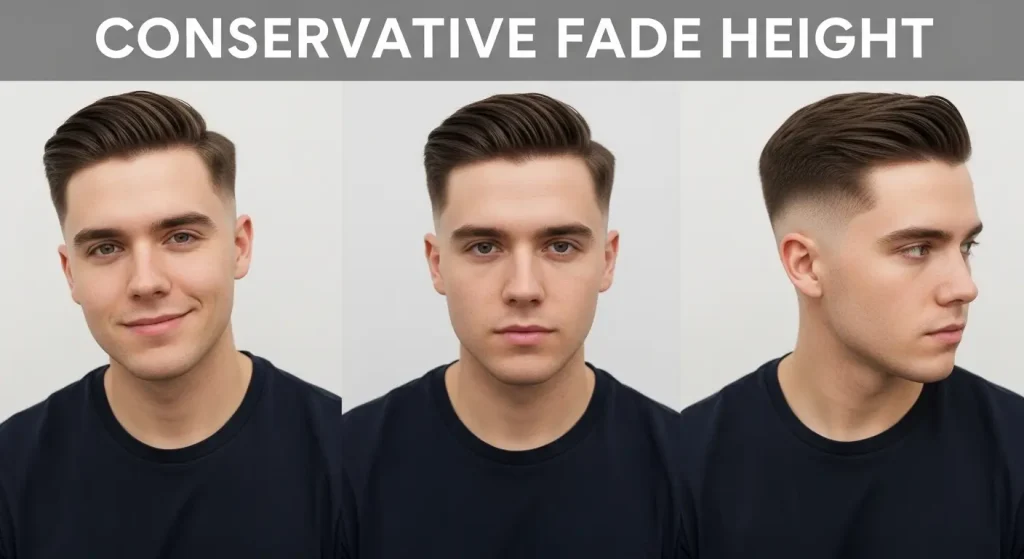
Fade height matters more than most men realize. In conservative workplaces, a low fade or taper fade is typically the safest choice. High skin fades or dramatic contrast cuts may look stylish, but they can appear too bold for corporate finance, law, or executive roles.
A professional haircut blends smoothly without extreme contrast.
Controlled Volume
Excessive height or overly dramatic styling can look flashy rather than refined. Professional hairstyles maintain controlled volume, especially at the front and crown. The goal is shape and structure — not exaggerated lift.
Volume should enhance your face shape, not dominate it.
Natural Texture
Overly spiked, wet, or heavily styled hair often looks artificial. A professional look favors natural texture with light structure. Matte products are generally better than high-shine gels, as they create a cleaner, more mature finish.
The hairstyle should look maintained — not overworked.
Grooming Discipline
Even the best haircut can lose its professional appeal without maintenance. Regular trims every 2–4 weeks, neckline cleanups, and proper product use are essential. Consistency signals reliability and self-respect — two qualities strongly associated with professionalism.
Professional grooming is about routine, not occasional effort.
Why “Structured” Beats “Trendy”
Trends change. Structure does not.
A structured haircut — such as a classic side part, Ivy League, crew cut, or low taper fade — maintains timeless appeal. Trend-heavy cuts, extreme undercuts, disconnected fades, or experimental designs may gain attention, but they rarely convey authority in conservative settings.
Professional hairstyles prioritize:
- Balance over boldness
- Precision over experimentation
- Consistency over trend cycles
When in doubt, choose a style that looks deliberate, clean, and refined rather than fashionable for the moment.
What Barbers and Grooming Experts Recommend
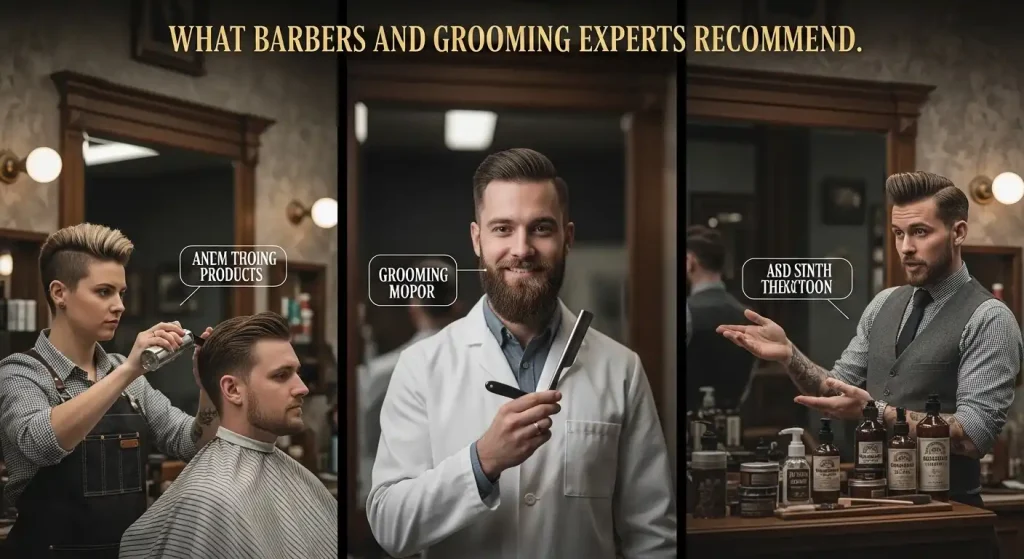
According to professional barbers and grooming specialists, the most successful professional haircuts are those that maintain clean lines, balanced proportions, and consistent maintenance. Experts emphasize that subtlety and structure consistently outperform trend-driven styles in workplace environments.
Best Professional Haircuts Comparison
| Haircut | Professional Level | Maintenance | Best For |
|---|---|---|---|
| Side Part | ⭐⭐⭐⭐⭐ | Medium | Corporate |
| Ivy League | ⭐⭐⭐⭐⭐ | Low | Office |
| Crew Cut | ⭐⭐⭐⭐ | Very Low | Busy professionals |
| Low Taper Fade | ⭐⭐⭐⭐⭐ | Medium | All industries |
| Buzz Cut | ⭐⭐⭐⭐ | Very Low | Minimal effort |
The 15 Most Professional Haircuts for Men
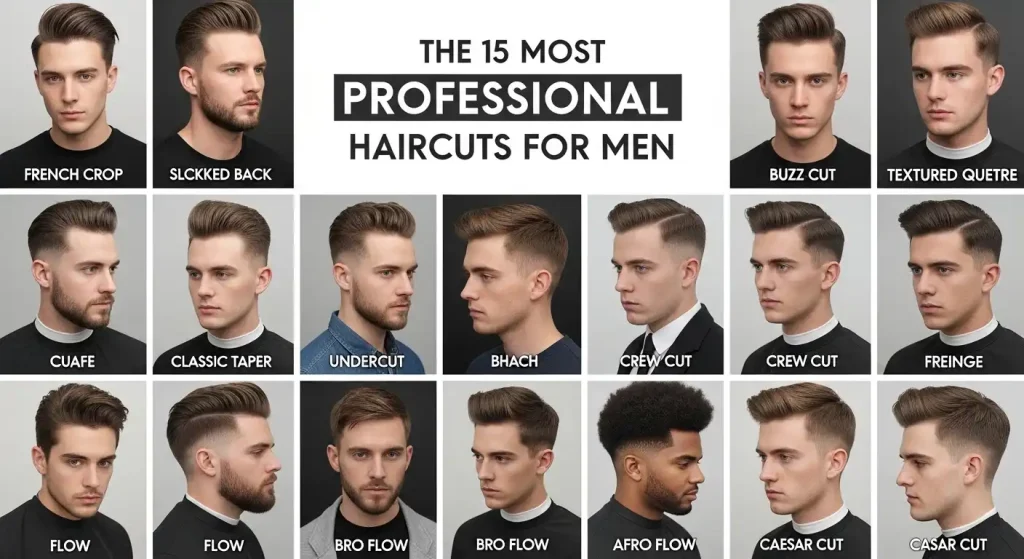
Instead of listing random styles, this ranking evaluates each haircut based on workplace appropriateness, maintenance demand, styling effort, face shape compatibility, and age flexibility. This system helps you choose a haircut strategically — not emotionally.
1. Classic Side Part
- Workplace Score: Corporate
- Maintenance Level: Moderate
- Styling Time: 5–7 minutes
- Best Face Shapes: Oval, Square, Diamond
- Age Suitability: 25+
A timeless business haircut with sharp definition and balanced proportions. Clean lines and a natural part create a look associated with leadership and discipline.
2. Ivy League

- Workplace Score: Corporate
- Maintenance Level: Low
- Styling Time: 3–5 minutes
- Best Face Shapes: Oval, Round
- Age Suitability: 20+
A slightly longer crew cut with subtle structure. It offers a refined academic look that works well in finance, consulting, and management roles.
3. Low Taper Fade
- Workplace Score: Corporate / Hybrid
- Maintenance Level: Moderate
- Styling Time: 3–6 minutes
- Best Face Shapes: All face shapes
- Age Suitability: 20+
Blends modern appeal with conservative structure. The low fade height keeps it office-safe while maintaining a contemporary edge.
4. Crew Cut

- Workplace Score: Corporate
- Maintenance Level: Very Low
- Styling Time: 1–2 minutes
- Best Face Shapes: Oval, Square
- Age Suitability: All ages
Minimal, clean, and structured. Ideal for men who prefer low-maintenance professionalism.
5. Textured Crop
- Workplace Score: Hybrid
- Maintenance Level: Moderate
- Styling Time: 4–6 minutes
- Best Face Shapes: Round, Oval
- Age Suitability: 20–40
Keep texture subtle and controlled. Avoid exaggerated fringe to maintain a professional look.
6. Comb Over Fade
- Workplace Score: Corporate / Hybrid
- Maintenance Level: Moderate
- Styling Time: 5–7 minutes
- Best Face Shapes: Round, Square
- Age Suitability: 25+
A structured comb-over paired with a low or mid fade creates authority without appearing outdated.
7. Short Pompadour
- Workplace Score: Hybrid
- Maintenance Level: Moderate
- Styling Time: 7–10 minutes
- Best Face Shapes: Round, Square
- Age Suitability: 25–40
Volume must remain controlled. Keep height moderate to maintain workplace suitability.
8. Buzz Cut
- Workplace Score: Corporate
- Maintenance Level: Very Low
- Styling Time: None
- Best Face Shapes: Oval, Square
- Age Suitability: All ages
Sharp and disciplined. Ideal for men with strong facial structure.
9. Slick Back
- Workplace Score: Hybrid
- Maintenance Level: Moderate
- Styling Time: 6–8 minutes
- Best Face Shapes: Oval, Diamond
- Age Suitability: 30+
Use matte or light-shine product to avoid a greasy appearance.
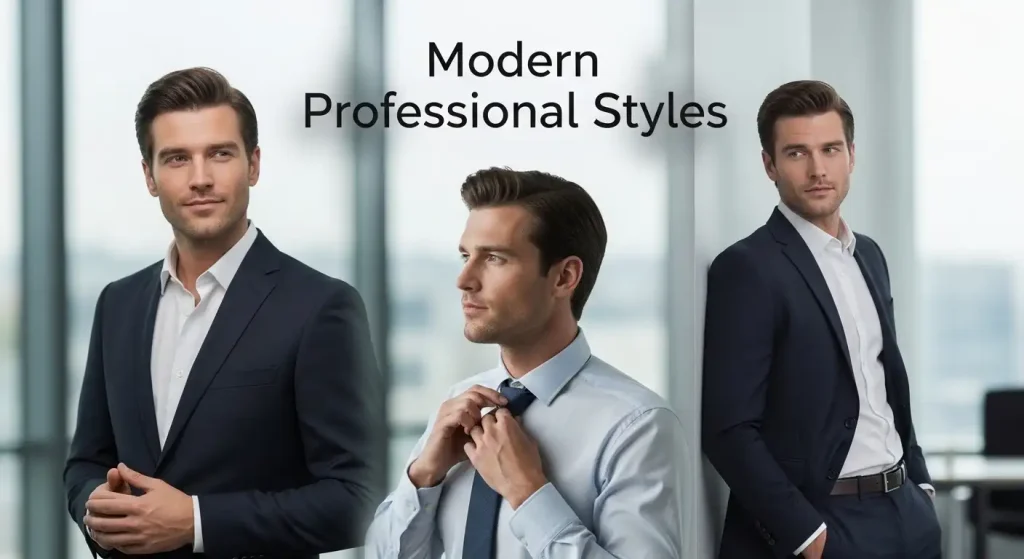
10. Scissor Cut Business Style
- Workplace Score: Corporate
- Maintenance Level: Moderate
- Styling Time: 4–6 minutes
- Best Face Shapes: All
- Age Suitability: 30+
Soft, blended layers without aggressive fading create a mature executive look.
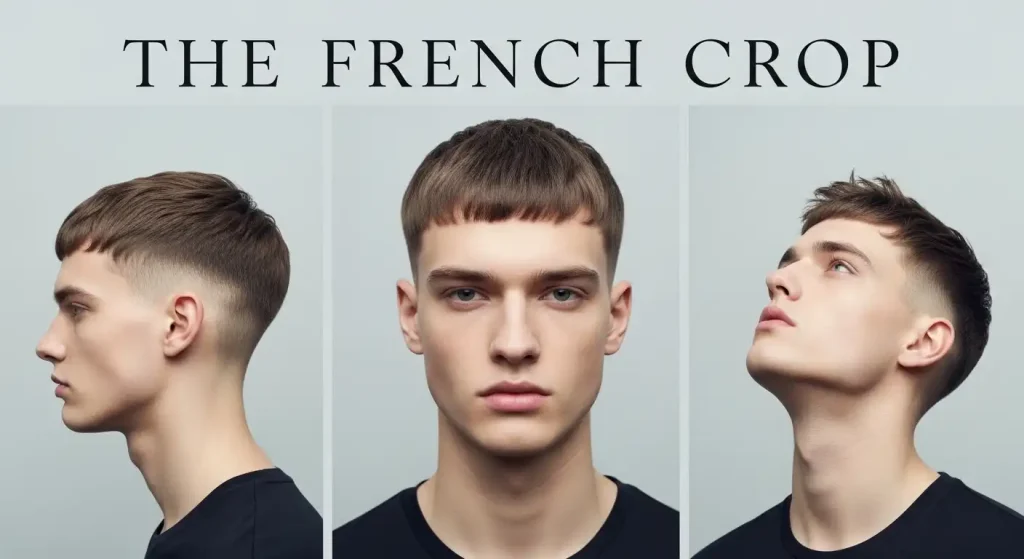
11. French Crop
- Workplace Score: Hybrid
- Maintenance Level: Moderate
- Styling Time: 3–5 minutes
- Best Face Shapes: Round, Oval
- Age Suitability: 20–35
Keep fringe short and structured for professionalism.
12. Bro Flow
- Workplace Score: Creative / Hybrid
- Maintenance Level: Moderate
- Styling Time: 5–8 minutes
- Best Face Shapes: Oval, Long
- Age Suitability: 25–45
Shoulder-length styles require grooming discipline to remain professional.
13. Executive Undercut
- Workplace Score: Hybrid
- Maintenance Level: Moderate
- Styling Time: 6–8 minutes
- Best Face Shapes: Square, Oval
- Age Suitability: 25–40
Avoid extreme disconnection for corporate safety.
14. Short Quiff
- Workplace Score: Hybrid
- Maintenance Level: Moderate
- Styling Time: 6–9 minutes
- Best Face Shapes: Round, Square
- Age Suitability: 20–40
Keep volume controlled and sides clean.
15. Tapered Afro
- Workplace Score: Corporate / Hybrid
- Maintenance Level: Moderate
- Styling Time: 4–6 minutes
- Best Face Shapes: Oval, Round
- Age Suitability: All ages
A shaped and tapered afro delivers both cultural authenticity and professional structure.
Professional Haircuts by Face Shape
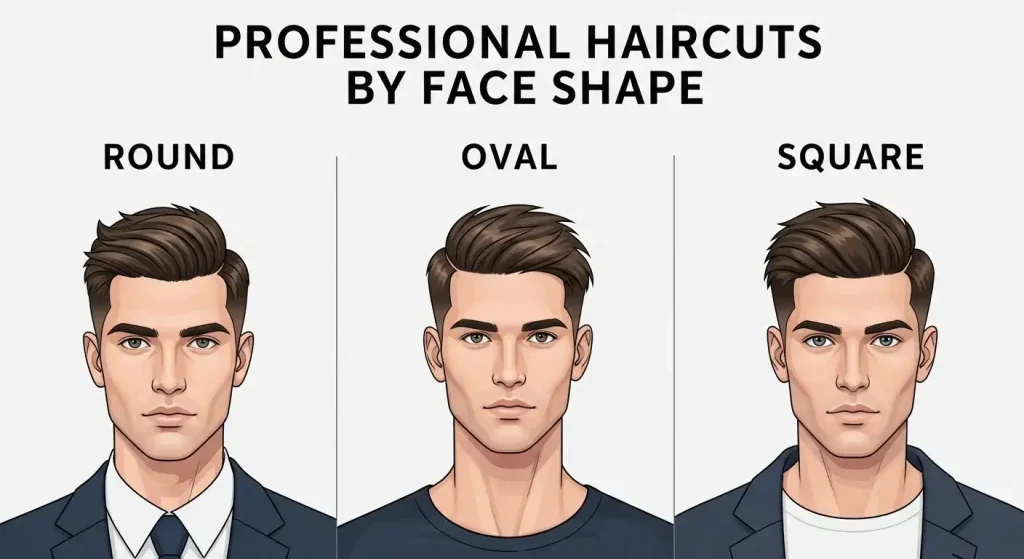
Choosing the right haircut depends heavily on visual balance. The goal is to correct proportions and create symmetry.
Round Face
Objective: Add height and reduce width.
Best options: Side part, Ivy League, short pompadour, comb over fade.
Avoid excessive volume on the sides.
Oval Face
Objective: Maintain natural balance.
Best options: Almost all styles work — especially crew cut, side part, taper fade.
Square Face
Objective: Soften strong jawlines slightly while maintaining structure.
Best options: Low taper fade, short quiff, Ivy League.
Long Face
Objective: Reduce visual length.
Best options: French crop, textured crop, crew cut.
Avoid excessive height on top.
Diamond Face
Objective: Add width at the forehead and balance cheekbones.
Best options: Side part, slick back, scissor cut business style.
Professional Haircuts by Age Group
Age influences how a haircut is perceived in professional settings.
In Your 20s – Structured but Modern
You can incorporate subtle modern elements like low fades or textured crops. Avoid overly experimental cuts in conservative industries.
In Your 30s – Authority Building
Prioritize structure and refinement. Styles like the Ivy League, side part, or comb over fade reinforce leadership presence.
40+ – Executive Clean
Cleaner lines and moderate volume are key. Opt for scissor cuts, taper fades, or classic side parts.
50+ – Maturity with Volume Balance
Focus on controlled volume to prevent flatness. Avoid extremely tight fades. Classic cuts with soft blending work best.
Professional Haircuts by Hair Type
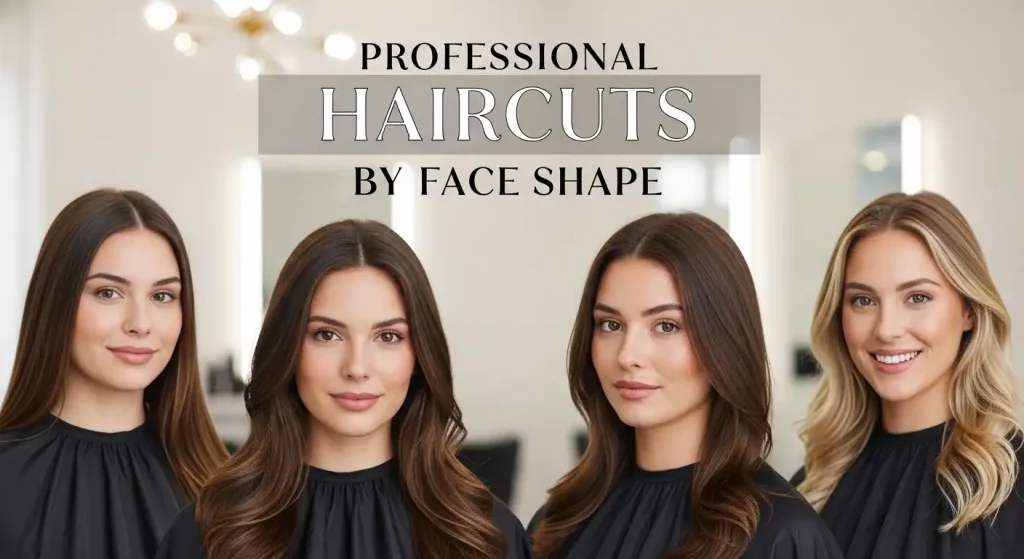
Your hair type plays a critical role in how professional a haircut looks. A style that works perfectly on straight hair may look bulky on thick hair or flat on thinning hair. Choosing a haircut aligned with your natural texture ensures structure, balance, and control — the core pillars of a professional appearance.
Thick Hair
Thick hair offers strong volume but can quickly look heavy or unstructured.
Best Options:
- Low taper fade
- Scissor cut business style
- Ivy League
- Structured side part
Keep the sides clean and remove excess bulk through layering. Avoid overly tall pompadours or excessive texture, which can appear overwhelming in corporate settings. Controlled shaping is key.
Thin Hair
Thin hair requires strategic cutting to create the illusion of density.
Best Options:
- Crew cut
- Buzz cut
- Short textured crop
- Classic side part (light layering)
Avoid long slick backs, which expose the scalp. Matte products add natural volume without separating strands. Shorter, tighter styles generally look more confident and intentional.
Curly Hair
Curly hair can absolutely look professional — when structured properly.
Best Options:
- Tapered afro
- Low taper fade with defined curls
- Short controlled crop
- Curly scissor cut
Keep edges sharp and sides tapered to avoid excessive width. Defined, moisturized curls with clean boundaries look polished. Undefined frizz reduces professional impact.
Wavy Hair
Wavy hair works well in professional environments when balanced.
Best Options:
- Controlled bro flow
- Side part with natural movement
- Short quiff (subtle)
- Low fade with textured top
Let natural movement show, but maintain shape. Avoid overly long, messy waves in conservative industries.
Straight Hair
Straight hair emphasizes structure and precision.
Best Options:
- Classic side part
- Comb over fade
- Ivy League
- Slick back (matte finish)
Because straight hair lies flat, subtle volume at the front helps prevent a lifeless look. Keep lines sharp for maximum professional effect.
Receding Hairline Strategy
A receding hairline should never be hidden with extreme styling — it should be managed strategically.
Best Options:
- Buzz cut
- Crew cut
- Short textured crop
- Subtle side part
Avoid comb-overs that exaggerate thinning areas. Shorter, balanced cuts create a look of confidence and control rather than concealment.
Corporate vs Creative Workplaces
Not all professional environments operate under the same appearance standards. Understanding your industry’s expectations ensures your haircut aligns with workplace culture.
Finance / Law
Expectation: Conservative, disciplined, structured.
Best styles:
- Classic side part
- Ivy League
- Crew cut
- Scissor cut business style
High skin fades, disconnected undercuts, or exaggerated volume may appear too bold in these industries.
Corporate Office
Expectation: Clean, refined, moderate modernity.
Best styles:
- Low taper fade
- Comb over fade
- Side part
- Short pompadour (controlled)
Subtle modern elements are acceptable, but structure remains priority.
Startup / Tech
Expectation: Modern yet polished.
Best styles:
- Textured crop
- Low fade
- Controlled bro flow
- Short quiff
More flexibility exists, but grooming discipline still matters.
Sales Roles
Expectation: Trustworthy and approachable.
Best styles:
- Ivy League
- Side part
- Low taper fade
The goal is credibility without appearing overly rigid.
Public-Facing Jobs
Expectation: Well-maintained and relatable.
Best styles:
- Crew cut
- Taper fade
- Clean textured crop
Sharp grooming signals reliability and professionalism.
Understanding these distinctions helps you avoid choosing a haircut that clashes with your professional environment.
The Psychology of Professional Hairstyles
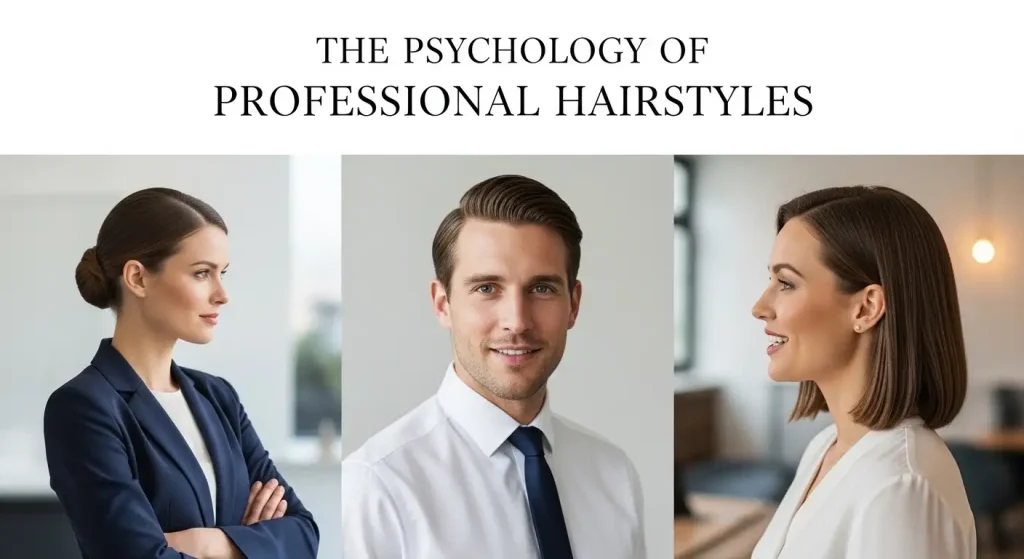
This is where most competitors stop — but perception is powerful. A haircut is not just style; it’s a signal.
Why Shorter Sides Signal Discipline
Short, tapered sides create visual order. Order suggests structure. Structure suggests discipline. In professional settings, discipline is often subconsciously associated with reliability and competence.
Why Structure Increases Authority Perception
Structured haircuts — balanced volume, defined edges, controlled proportions — communicate intention. When your appearance looks intentional, others assume your behavior and performance are intentional as well.
Authority is often linked to visual control.
Why Extreme Fades Reduce Trust in Conservative Roles
High skin fades, disconnected undercuts, or dramatic contrasts may project boldness. In creative industries, this can work. In conservative environments, it may reduce perceived stability or maturity.
Subtlety builds trust where consistency is valued.
Grooming and First Impressions
First impressions form within seconds. A clean neckline, symmetrical cut, and maintained style signal attention to detail. Neglected edges or overgrown sides can subtly communicate carelessness.
Low-Maintenance Professional Haircuts
Not every professional has time for daily styling. The best low-maintenance haircuts are clean, structured, and easy to manage while still looking polished.
2–3 Week Trims
Shorter styles like the crew cut, Ivy League, low taper fade, and buzz cut require trims every 2–3 weeks to maintain sharp edges. Keeping the neckline and sides clean preserves a professional appearance even with minimal styling.
No Daily Styling Options
If you prefer zero effort in the morning, choose:
- Buzz cut
- Crew cut
- Short scissor cut
- Low taper with natural top
These cuts hold shape naturally and don’t rely on heavy product.
Matte vs Shine
In professional settings, matte or low-shine products are usually safer. High-shine gels can look overly styled or artificial. Matte clay or light cream gives structure without drawing unnecessary attention.
Best Lightweight Products
Look for:
- Lightweight matte clay
- Styling cream
- Light hold pomade (low shine)
- Sea salt spray for natural texture
The goal is subtle control, not stiffness.
How to Ask Your Barber for a Professional Haircut
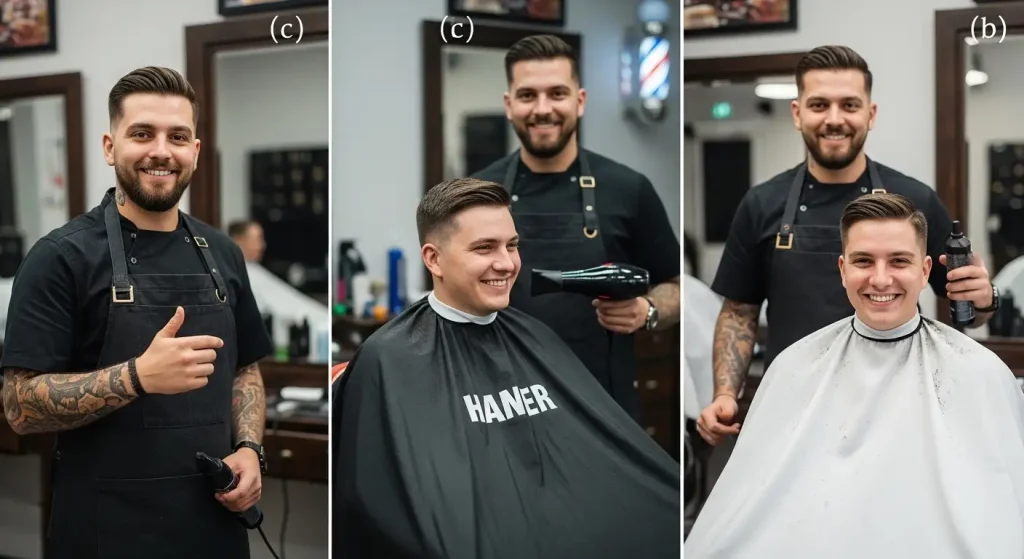
Clear communication ensures you get a haircut that fits your workplace expectations.
Guard Numbers
If using clippers, ask for:
- #1–#2 for tighter sides
- #2–#3 for conservative taper
- Slight blend into longer top
Avoid extremely tight skin fades in conservative industries.
Fade Height Instructions
Say:
“Keep the fade low and subtle, no high skin fade.”
Low fades blend gradually and look more corporate-safe.
Length on Top
Specify exact length, such as:
“Leave about 2–3 inches on top with clean layering.”
This allows structure without excessive volume.
What to Say for Corporate Safety
Use phrases like:
- “Clean and professional”
- “Conservative fade”
- “Office-appropriate”
- “No hard part or extreme contrast”
These keywords guide your barber toward a structured result.
Common Haircut Mistakes That Look Unprofessional
Even popular styles can look inappropriate if executed poorly.
High Skin Fades in Banking or Law
High, dramatic fades create strong contrast. In conservative industries, they may appear too bold.
Over-Texturizing
Excessive razor cutting or choppy texture can look messy instead of structured.
Hard Parts in Conservative Industries
A shaved line part can look too stylized in formal environments. A natural part is usually safer.
Over-Shiny Pomade
Heavy shine often looks greasy under office lighting. Opt for controlled, matte finishes.
Professionalism relies on balance — not extremes.
Maintenance Framework
A professional haircut stays sharp only with consistency.
Trim Schedule
- Short fades: Every 2–3 weeks
- Medium styles: Every 3–4 weeks
- Longer structured styles: Every 4 weeks
Regular trims maintain shape and authority.
Product Routine
Morning:
- Small amount of matte product
- Shape using fingers or comb
Evening:
- Wash product out
- Keep scalp healthy
Beard Balance
Facial hair should complement your haircut. A clean fade pairs well with a trimmed, shaped beard — not an unstructured one.
Neckline Cleanup
Even between cuts, clean the neckline and around ears. This instantly refreshes your look.
The 3 Rules of a Professional Haircut
If you remember only three things, make it these:
- Keep the sides clean and controlled
- Avoid extreme contrast or flashy styling
- Maintain your haircut consistently
FAQs
Are fades professional?
Yes, fades can be professional if kept low and subtle. A low taper fade or conservative mid fade blends smoothly and looks structured. High skin fades may appear too bold in traditional corporate environments.
Is an undercut acceptable in corporate jobs?
A disconnected undercut can look too dramatic for conservative industries. However, a low-contrast, blended undercut may work in hybrid or creative workplaces if styled neatly.
What haircut is best for job interviews?
For interviews, choose structured, safe options like a classic side part, Ivy League, crew cut, or low taper fade. Clean edges and moderate volume create a trustworthy first impression.
Are long hairstyles professional?
Long hairstyles can be professional if well-maintained and tied neatly. In conservative industries, shorter structured styles are generally perceived as more authoritative and reliable.
How often should professionals cut their hair?
Most professional haircuts require maintenance every 2–4 weeks. Short fades need more frequent trims, while medium-length structured cuts can last closer to four weeks without losing shape.
6. Is a fade suitable for corporate jobs?
Yes, but it should be a low or subtle fade to maintain professionalism.
7. What haircut looks most professional?
Classic styles like the side part, Ivy League, and crew cut are considered the most professional.
8. Are trendy hairstyles unprofessional?
Not always, but extreme or flashy styles may not align with conservative workplace expectations.
Final Decision Framework
Choosing the right professional haircut for men should never be random. The best style is the one that aligns with your face shape, hair type, workplace expectations, lifestyle, and personal presence. Use this checklist as a structured decision tool before your next barber visit.
✔ Face Shape
Your haircut should create visual balance.
- Round face → Add height, reduce side width.
- Long face → Reduce height, avoid tall volume.
- Square face → Maintain structure, soften slightly if needed.
- Oval face → Most styles work well.
- Diamond face → Add subtle width at the forehead.
If the proportions are correct, the haircut automatically looks more refined.
✔ Hair Type
Work with your natural texture — not against it.
- Thick hair → Control bulk with tapering.
- Thin hair → Keep it shorter for density illusion.
- Curly hair → Shape and define, avoid excess width.
- Straight hair → Add subtle volume for structure.
- Receding hairline → Short, confident styles work best.
A professional haircut enhances your natural strengths.
✔ Industry
Your workplace sets the tone.
- Finance / Law → Conservative, structured.
- Corporate office → Clean with moderate modernity.
- Tech / Startup → Modern but controlled.
- Sales / Public-facing → Trustworthy and approachable.
Match your haircut to the level of formality expected in your role.
✔ Maintenance Tolerance
Be honest about your daily routine.
- Minimal effort → Crew cut, buzz cut, short taper.
- Moderate styling → Side part, Ivy League, comb over.
- Willing to style daily → Subtle quiff, controlled pompadour.
Consistency matters more than complexity.
✔ Age
Your haircut should reflect maturity and stage of career.
- 20s → Structured but modern.
- 30s → Authority-building styles.
- 40+ → Executive clean.
- 50+ → Controlled volume with balance.
The goal is alignment between image and experience.
✔ Confidence Factor
The most important element is confidence. A haircut that fits your structure, profession, and personality naturally enhances posture and presence. When you feel sharp and put together, it reflects in how you communicate and carry yourself.
A professional haircut is not about following trends — it’s about choosing a style that communicates structure, discipline, and credibility in any workplace environment.