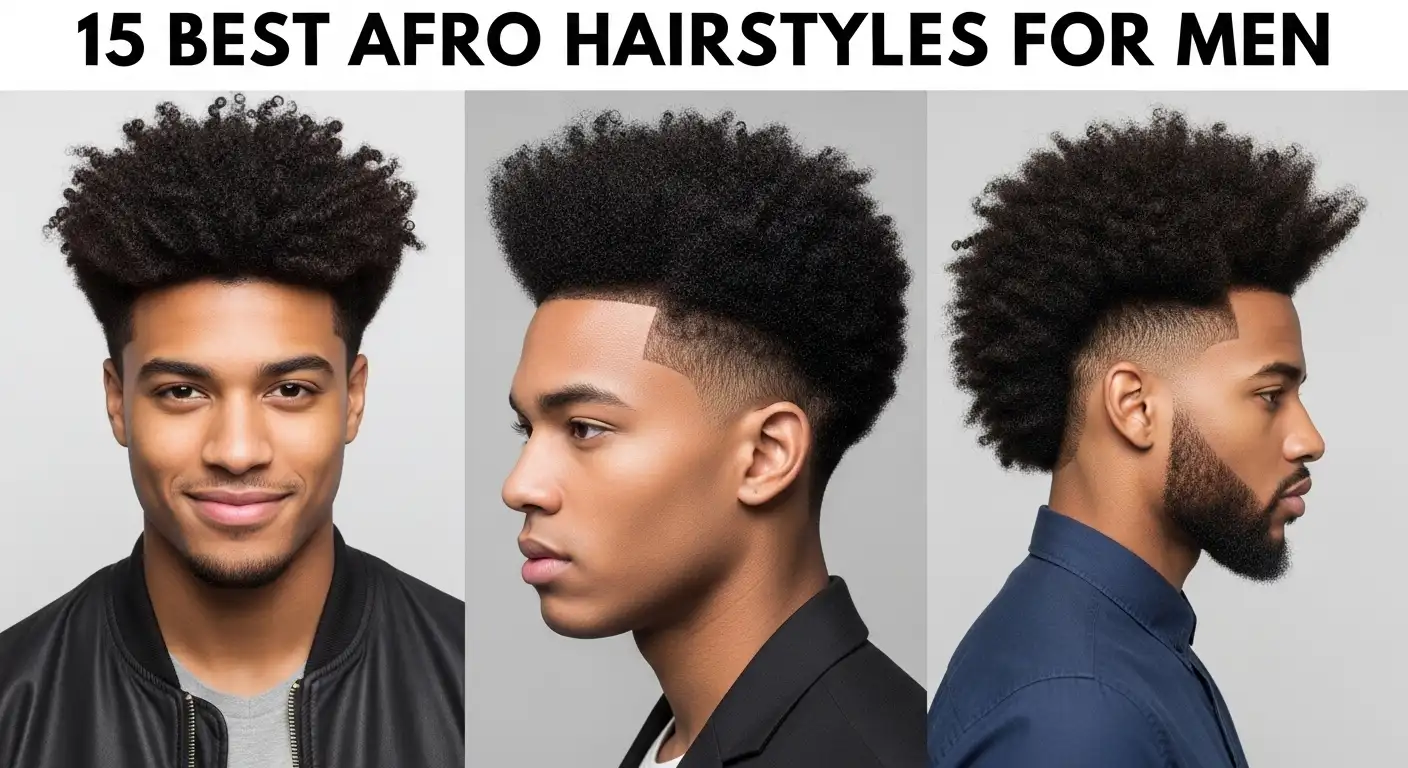
Afro hairstyles for men are more than just a look—they’re a bold statement of confidence, culture, and individuality. The right afro style doesn’t just enhance your natural curls; it can completely transform your appearance, balance your face shape, and elevate your overall style.
But choosing the perfect afro hairstyle isn’t always easy. With so many options—from classic rounded afros to modern fades and textured twists—many men struggle to find a style that suits both their personality and lifestyle.
In this ultimate guide, you’ll discover the best afro hairstyles for men, how to choose the right one for your face shape, and simple grooming techniques to keep your hair looking sharp every day. Whether you want something low maintenance or a bold standout style, this guide has you covered.
Best Afro Hairstyles for Men (Quick Answer)
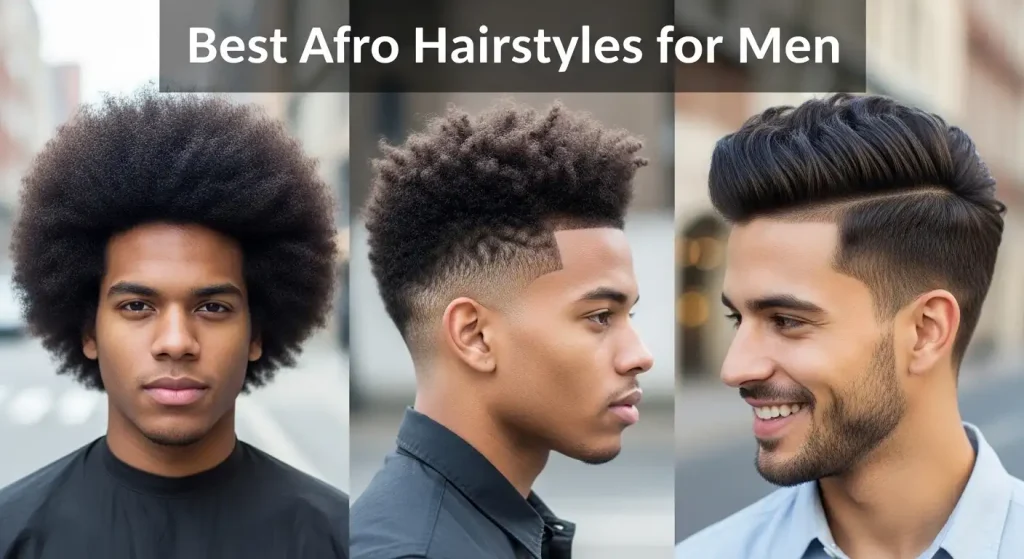
- Short Afro – clean & low maintenance
- Afro Fade – modern & sharp
- Tapered Afro – professional look
- High Top Afro – bold & retro
- Afro with Twists – stylish texture
What Is an Afro Hairstyle
An afro hairstyle is a natural hair style that embraces the full texture and volume of tightly coiled or curly hair. Instead of straightening or heavily altering the hair, an afro highlights the natural curl pattern and allows the hair to grow outward, creating a rounded and balanced shape. This hairstyle is most commonly associated with coily and tightly curled hair types, which naturally expand and form volume as they grow.
The defining feature of afro hair is its unique texture. Afro hair strands are usually tightly coiled, which creates a dense and springy appearance. Because the curls grow in spiral patterns, the hair expands outward rather than falling straight down. This natural structure gives afro hairstyles their signature fullness and bold shape.
Another important element is the natural curl structure. Afro hair typically forms tight curls or coils that vary in size and density. These curls allow for a wide range of styling options, from a short rounded afro to more structured looks like an afro fade, tapered afro, or twisted afro. Each variation keeps the natural texture visible while shaping the hair into a clean and defined style.
The styling characteristics of an afro focus on maintaining volume, definition, and healthy curls. Proper grooming often includes moisturizing the hair, using curl-enhancing products, and shaping the afro with tools such as an afro pick or curl sponge. Because afro hair naturally holds volume and structure, it can be styled into both classic and modern haircut variations, making it one of the most versatile natural hairstyles for men.
You May Also Like:
High Top Fade Haircut (2026 Guide)
Why Afro Hairstyles Are Unique
What makes afro hairstyles truly distinctive is the combination of hair density, curl pattern, and natural volume. Unlike straight or wavy hair types, afro-textured hair has a tightly coiled structure that creates natural fullness and shape. This unique hair structure allows afro hairstyles to stand out visually while offering incredible versatility in styling.
One key characteristic is hair density. Afro hair often grows densely, meaning many strands grow close together on the scalp. This density contributes to the thick, full appearance that defines most afro hairstyles. When shaped properly, the density allows barbers and stylists to create clean outlines, fades, and sculpted afro styles that maintain their form.
Another defining factor is the curl pattern. Afro hair typically features tight coils that create texture and dimension throughout the hairstyle. These curls can range from small coils to slightly looser ringlets, giving individuals the ability to experiment with different looks such as natural afros, twist styles, sponge curls, or afro fades.
Finally, afro hairstyles are known for their natural volume styling. Because of the way coily hair grows outward, afro hair can hold height and shape without relying heavily on heat styling or chemical treatments. This makes afro hairstyles ideal for creating bold, structured, and eye-catching haircuts that celebrate natural texture while allowing endless possibilities for personal style.
How to Choose the Right Afro Hairstyle
- Round face → go for height (high top afro)
- Oval face → most styles work
- Square face → softer styles (curly afro)
- Long face → avoid too much height
You May Also Like:
Teenage Guys Haircuts 2026: 25+ Stylish Looks to Try
Most Popular Afro Hairstyles for Men
Short Afro
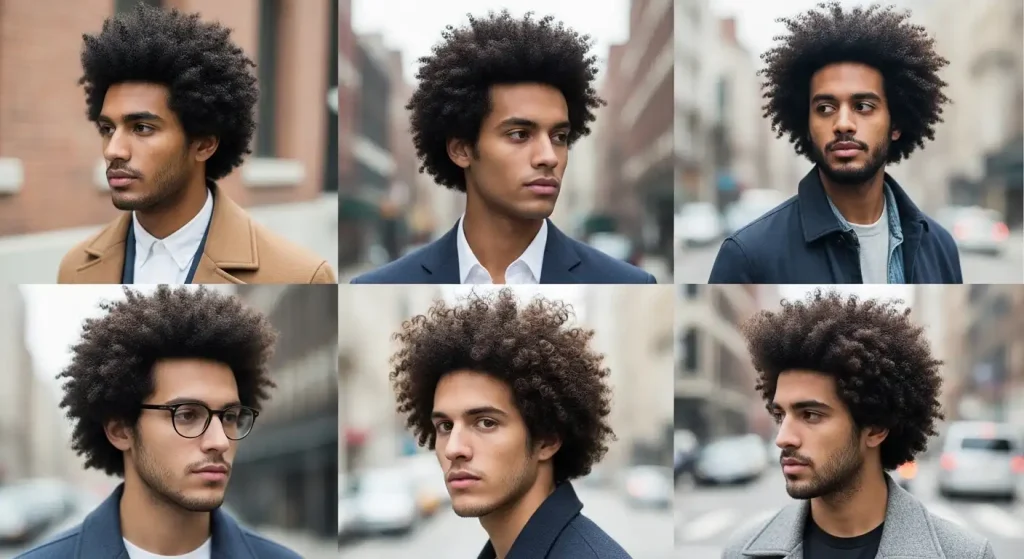
A short afro is a clean and low-maintenance style that keeps natural curls neatly shaped while maintaining a rounded look. This haircut highlights natural texture and volume without requiring heavy styling. It is ideal for men who want a simple, professional, and easy-to-manage afro hairstyle.
Afro Fade
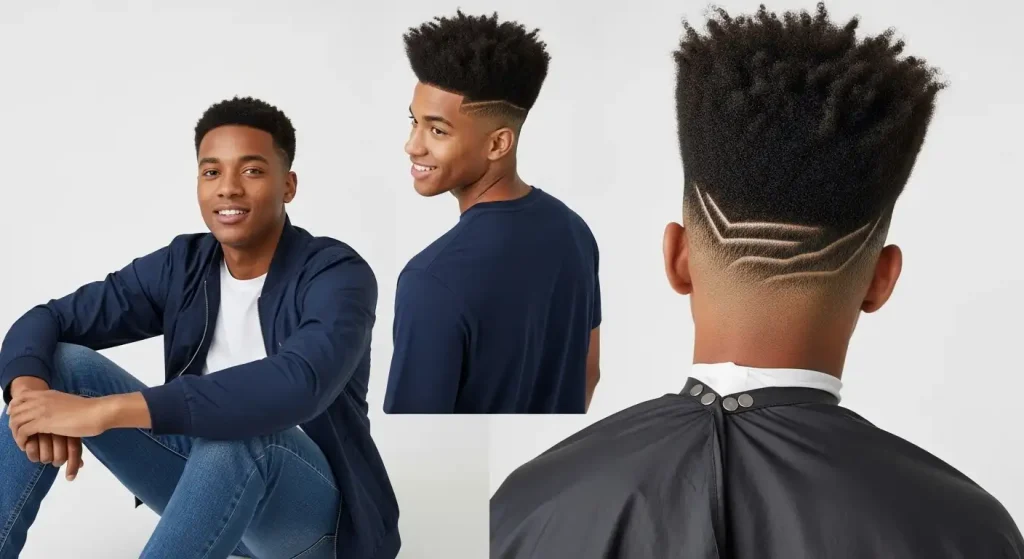
The afro fade combines natural afro texture on top with a gradual fade on the sides and back. This contrast creates a sharp, modern appearance while keeping the volume of natural curls. Afro fades can be customized with low, mid, or high fades depending on personal style.
You May Also Like:
Low Taper Fade Haircut: 30 Best Styles for Men (2026 Guide)
High Top Afro
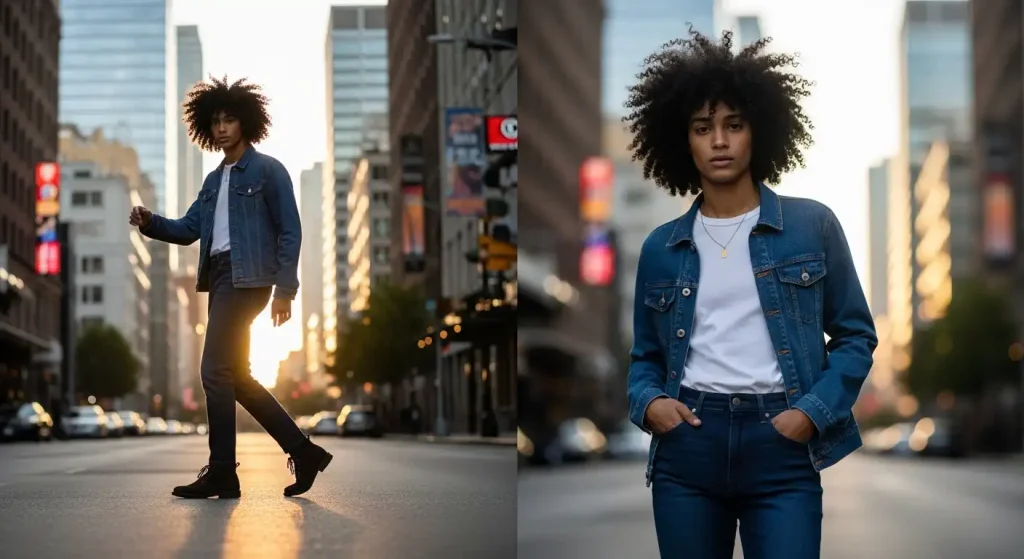
The high top afro is one of the most iconic afro hairstyles, featuring tall, structured hair on top with shorter sides. Popular since the 1980s, this bold style emphasizes height, volume, and clean shaping, making it perfect for men who want a retro yet modern statement haircut.
Tapered Afro
A tapered afro keeps the natural volume on top while gradually shortening the hair around the sides and neckline. This technique creates a clean and balanced shape without removing too much length. It is a popular choice for men who want a natural afro with a refined, polished look.
Afro with Beard
An afro with beard creates a powerful and masculine appearance by combining natural afro hair with a well-groomed beard. The volume of the hair balances the beard’s fullness, producing a bold and stylish look that highlights facial features and natural hair texture.
Afro with Twists
The afro with twists adds definition and texture by twisting sections of natural curls. This technique creates a structured and detailed afro style while keeping the natural volume of the hair. Twists can be worn short or long, making them a versatile and stylish variation of the afro.
Afro with Braids
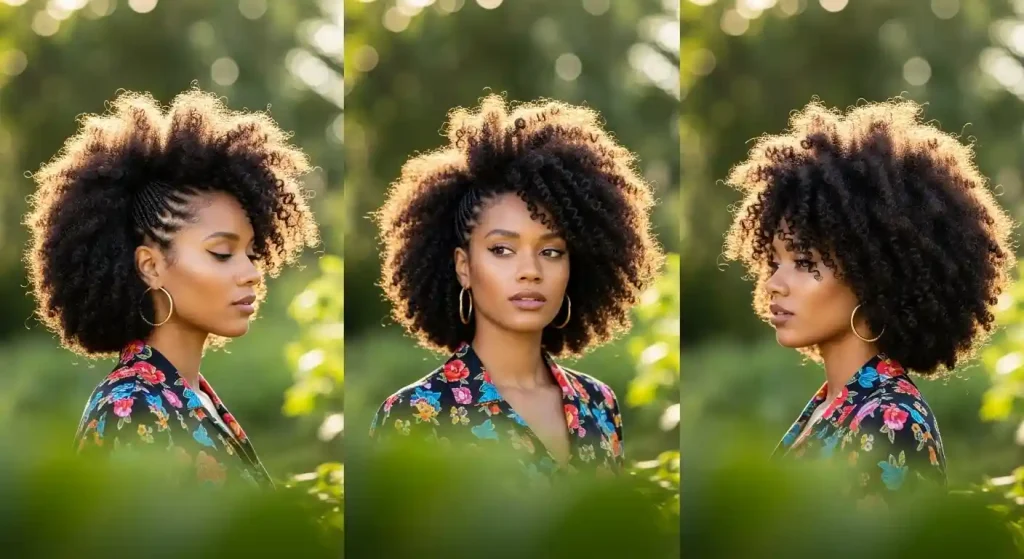
An afro with braids combines natural afro hair with braided sections to create a unique and artistic hairstyle. Braids add pattern, structure, and creativity while maintaining natural texture. This style works well for men who want a distinctive look with cultural and modern influences.
Frohawk
The frohawk is a bold hairstyle where the sides are faded or shaved while the afro remains fuller in the center. This creates a mohawk-inspired shape with natural curls, giving the hairstyle an edgy and modern appearance that stands out while still embracing natural hair texture.
Curly Afro
A curly afro focuses on defining the natural curls to create a soft and textured appearance. By using curl creams or moisturizers, the curls become more visible and controlled. This style enhances the natural curl pattern, producing a full, healthy, and stylish afro look.
You May Also Like:
270 Best Curly afro ideas in 2026
Freeform Afro
The freeform afro allows natural curls to grow and form freely without heavy shaping or styling. This approach celebrates authentic texture and natural hair growth, creating a relaxed and organic hairstyle. It is perfect for men who prefer a natural and effortless afro style.
Afro with Hard Part
An afro with hard part features a shaved line or part that separates sections of the hairstyle. This sharp detail adds contrast and definition while maintaining the natural volume of the afro. The hard part creates a modern and stylish upgrade to traditional afro haircuts.
Afro Undercut
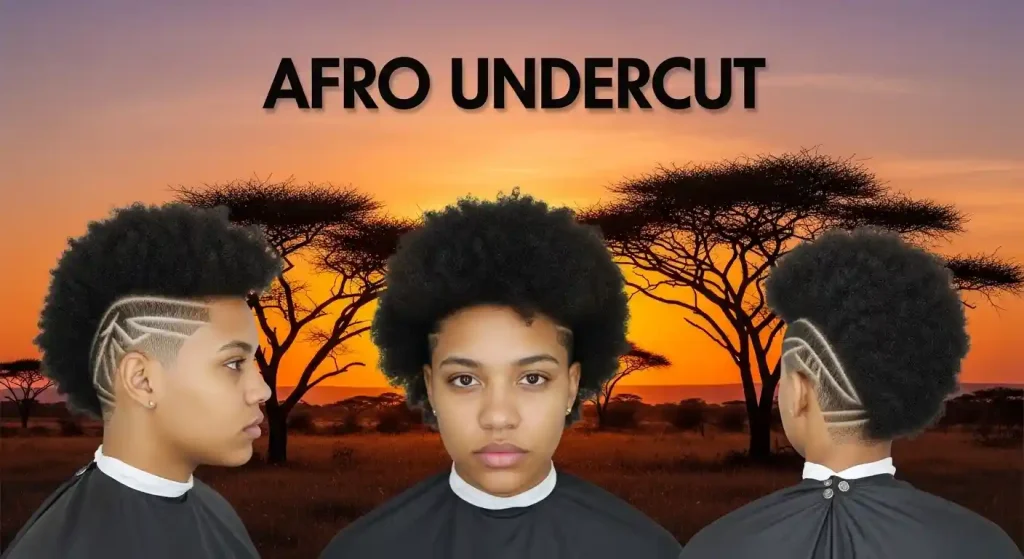
The afro undercut keeps the sides and back shaved or very short while the top remains full and textured. This contrast creates a bold and modern look that emphasizes volume and natural curls, making it a popular choice for men who want a clean yet striking hairstyle.
Afro with Drop Fade
An afro with drop fade features a fade that curves downward behind the ears, following the natural shape of the head. This technique creates a smooth and stylish transition between the sides and the afro on top, resulting in a clean, modern, and well-defined haircut.
Afro Temple Fade
The afro temple fade focuses on fading the hair around the temples and hairline while keeping the rest of the afro full. This creates a sharp and precise outline that enhances the natural shape of the hairstyle while maintaining the volume of the afro.
Afro Sponge Curls
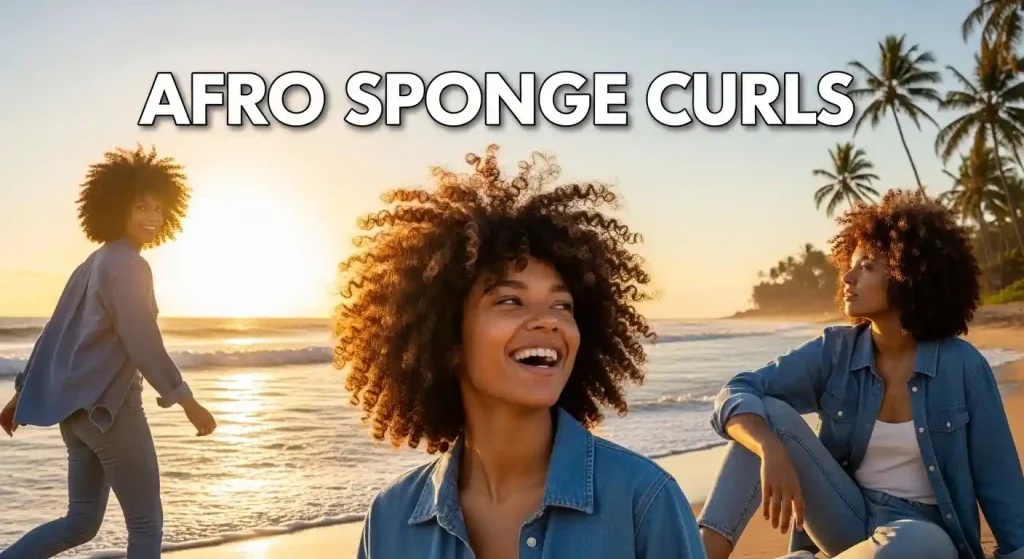
Afro sponge curls are created using a curl sponge tool that enhances the natural coil pattern of the hair. The sponge forms small, defined curls that add texture, depth, and style to the afro, giving it a modern and trendy appearance with minimal effort.
Low Maintenance Afro Hairstyles
For men who prefer easy grooming routines, low maintenance afro hairstyles are a practical choice. These styles keep the natural texture while requiring minimal daily styling and fewer barber visits. They are perfect for men who want a clean look without spending too much time on hair care.
A short afro is one of the easiest styles to manage. Keeping the hair trimmed and evenly shaped helps maintain a neat appearance while allowing the natural curls to stay visible. This style usually requires simple maintenance such as moisturizing the hair and occasional trimming.
The tapered afro is another low maintenance option that combines natural volume on top with gradually shorter hair around the sides and neckline. This creates a clean and structured shape while still preserving the natural look of afro hair.
A natural rounded afro is also popular for its simplicity. This style allows the hair to grow evenly while maintaining a balanced shape. With proper hydration and occasional shaping, it remains healthy, natural, and easy to maintain.
Professional Afro Hairstyles for Work
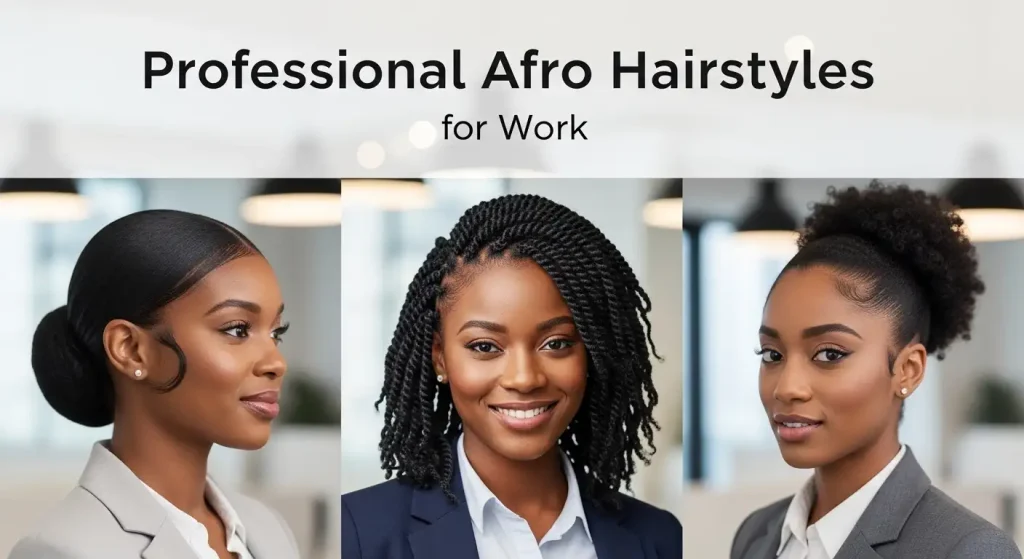
Many men want afro hairstyles that look stylish while still appearing neat and appropriate for professional environments. Workplace-friendly afro styles focus on clean lines, controlled volume, and balanced shaping so the hairstyle looks polished and well groomed.
A short tapered afro is one of the most professional options. The gradual taper around the sides and neckline creates a clean outline while the top keeps natural texture. This style offers a refined and professional appearance that works well in both formal and creative workplaces.
An afro with a line-up is another popular choice for professional settings. The sharp hairline around the forehead and temples adds definition and structure, giving the hairstyle a neat and well-maintained look while preserving natural curls.
The low fade afro also works well in professional environments. The subtle fade around the sides keeps the hairstyle tidy and balanced while maintaining volume on top. This combination creates a modern yet professional afro haircut suitable for everyday work life.
Afro Hairstyles for Different Ages
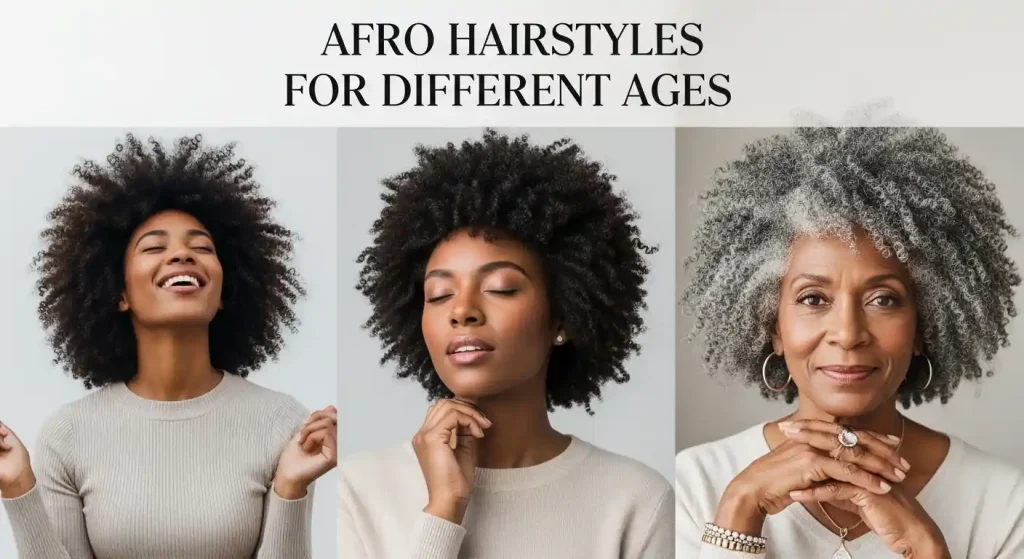
Afro hairstyles can be adapted to suit different stages of life. Whether someone prefers a trendy youthful look or a more refined style, afro haircuts offer versatility and personalization for every age group.
Teenagers
Teenagers often prefer bold and trendy afro hairstyles that highlight natural curls and creativity. Styles such as the frohawk, afro with twists, or sponge curls are popular among younger men because they offer a modern and expressive appearance. These hairstyles allow teens to experiment with texture, volume, and personal style.
Men in Their 20s
Men in their twenties typically choose styles that balance fashion and versatility. Haircuts such as the afro fade, tapered afro, or afro with a line-up provide a stylish look while remaining easy to maintain. These hairstyles are ideal for men who want a modern and confident appearance for both casual and professional settings.
Mature Men
Mature men often prefer afro hairstyles that appear clean, balanced, and timeless. Styles like the short afro, low fade afro, or natural rounded afro create a polished and sophisticated look. These haircuts maintain natural texture while offering a refined and professional appearance that suits mature personal style.
Step-by-Step Afro Styling Routine
Creating a well-defined afro hairstyle requires a consistent routine that keeps the hair clean, moisturized, and properly shaped. Because afro hair naturally tends to be dry, the right styling process helps maintain healthy curls and long-lasting volume.
The routine begins with a proper washing routine. Washing afro hair once or twice a week with a gentle shampoo helps remove buildup while protecting the natural oils of the scalp. Using a sulfate-free shampoo is recommended because it cleans the hair without stripping away essential moisture.
After washing, moisturizing the hair is essential. Afro hair benefits from products such as leave-in conditioners, natural oils, or moisturizing creams that keep curls soft and hydrated. Applying moisture while the hair is slightly damp helps lock in hydration and prevents dryness.
Next comes styling the curls. Many men use a curl sponge, twist technique, or curl cream to enhance the natural curl pattern. These methods help create defined curls while maintaining the natural texture that makes afro hairstyles unique.
The final step is shaping the hair. Using an afro pick or comb helps lift the roots and add volume while keeping the overall shape balanced. Occasional barber visits help maintain clean edges, proper structure, and a well-defined afro shape.
Daily Afro Hair Care Routine
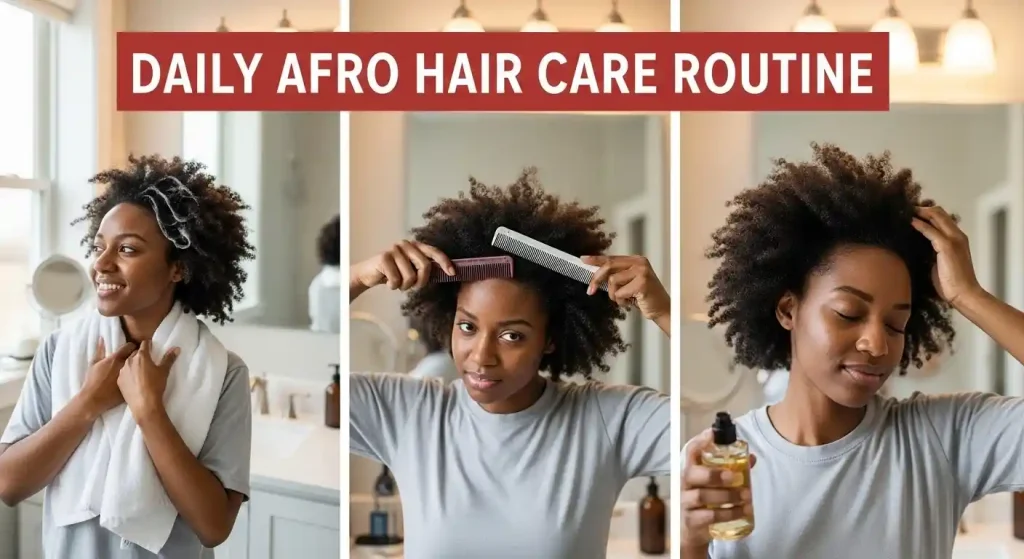
Maintaining healthy afro hair requires simple daily habits that protect the hair’s moisture, curl definition, and overall shape. A consistent routine can prevent dryness and keep afro hairstyles looking neat throughout the day.
Morning Routine
A morning routine helps prepare the hair for the day while keeping curls fresh and defined. Start by lightly hydrating the hair with water or a moisturizing spray to refresh the curls. Applying a small amount of leave-in conditioner or curl cream helps maintain softness and definition.
After moisturizing, gently use an afro pick or fingers to shape the hair and add volume. Avoid excessive brushing, as it can disturb the natural curl pattern. Finishing with a light oil or styling product can help reduce frizz and maintain shine.
Night Routine
A night routine helps protect the hair while sleeping. Before bed, apply a small amount of moisturizer or natural oil to keep the hair hydrated overnight. Covering the hair with a silk or satin durag, scarf, or pillowcase reduces friction and prevents breakage.
This simple step helps maintain the afro’s shape and keeps curls from becoming dry or flattened. With consistent nightly care, the hairstyle stays healthier, smoother, and easier to manage the next day.
Weekly Afro Hair Care Routine
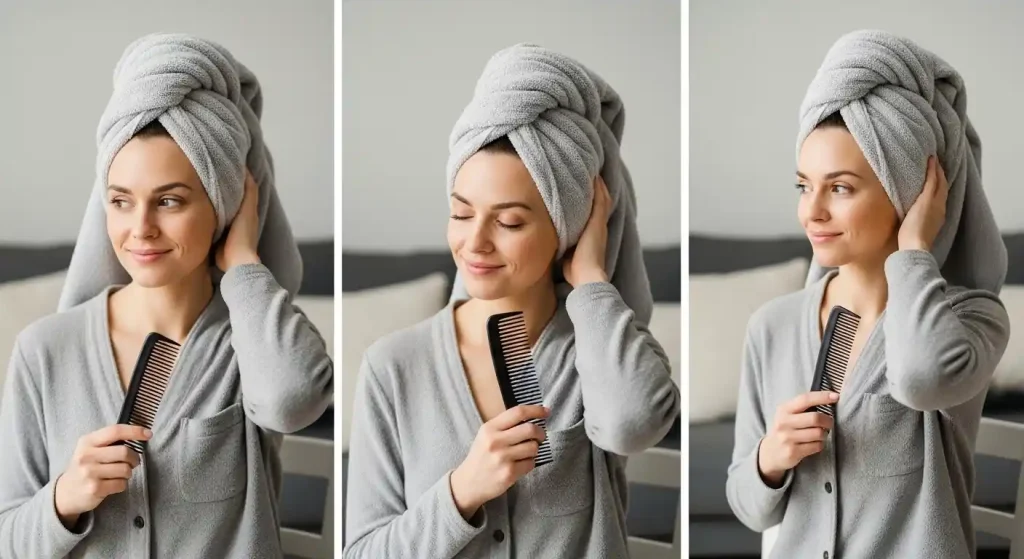
In addition to daily care, afro hair benefits from a weekly routine that focuses on deep nourishment, curl maintenance, and clean edges. These steps help maintain healthy hair while keeping the hairstyle looking fresh.
One important step is deep conditioning. Using a deep conditioning treatment once a week helps restore moisture and strengthen the hair strands. This process improves curl softness and helps prevent dryness, which is common in tightly coiled hair textures.
Another key practice is a curl refresh routine. Over time, curls may lose their definition due to dryness or styling products. Lightly misting the hair with water and applying curl cream can reactivate the natural curl pattern and bring the hairstyle back to life.
Finally, trimming or shaping the edges keeps the afro looking neat. Some men choose to visit a barber every few weeks to maintain the hairline and overall shape. Regular edge maintenance helps preserve a clean, balanced, and well-defined afro hairstyle.
Best Tools for Styling Afro Hair
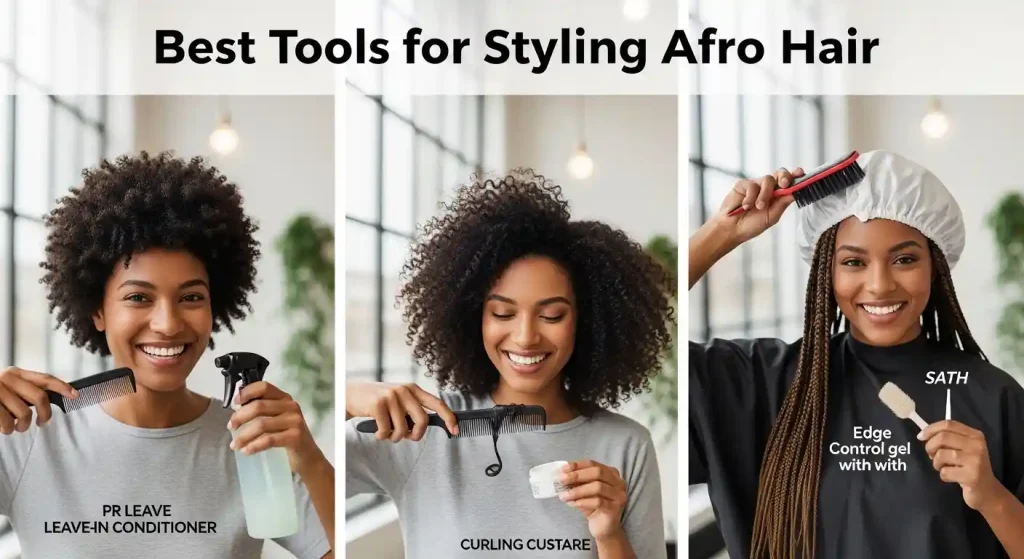
Using the right tools can make a big difference in maintaining healthy, defined, and well-shaped afro hairstyles. Because afro hair has a unique curl structure and natural volume, specialized tools help manage texture without damaging the hair. These tools support curl definition, volume control, and overall styling.
One of the most popular tools is the hair sponge, often called a curl sponge. This styling tool has small holes that help enhance the natural curl pattern by twisting sections of hair into defined coils. It is widely used to create sponge curls and textured afro styles with minimal effort.
Another essential tool is the afro pick. This comb is designed with long, wide teeth that gently lift the hair from the roots without disturbing the curl pattern. The afro pick helps increase volume and shape, making it ideal for creating the classic rounded afro look.
A curl brush is also useful for shaping and managing natural curls. Unlike regular brushes, curl brushes are designed to work with textured hair while reducing breakage. They help distribute styling products evenly and improve curl definition and smoothness.
Using these tools together allows men to maintain well-defined curls, balanced volume, and a polished afro hairstyle while protecting the natural structure of the hair.
Barber Guide: Best Fades for Afro Hair
Fades are one of the most popular ways to modernize afro hairstyles. A fade gradually shortens the hair on the sides and back, creating a smooth transition that highlights the volume and texture of the afro on top. Different fade styles allow men to customize their haircut depending on the level of contrast they prefer.
The low fade starts just above the ears and gradually blends into the natural afro on top. This fade is subtle and clean, making it a great choice for men who want a balanced and professional hairstyle without removing too much length from the sides.
A mid fade begins slightly higher on the sides of the head and creates a stronger contrast between the afro and the faded area. This style offers a modern and stylish appearance while maintaining a smooth blend between the top and sides.
The high fade starts near the temples and removes more hair from the sides, leaving the afro concentrated on the top of the head. This fade creates a sharp and bold look, emphasizing the volume and shape of the afro hairstyle.
The burst fade curves around the ear in a circular pattern, creating a fade that radiates outward like a burst. This unique technique works especially well with styles such as the frohawk or textured afro, giving the haircut a dynamic and modern appearance.
Afro Hairstyles Trends in 2026
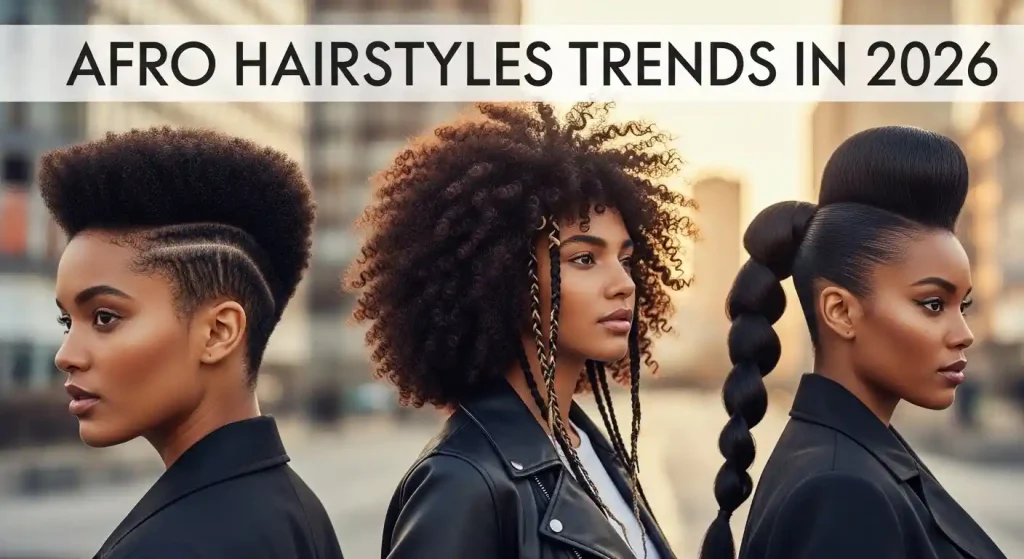
Afro hairstyles continue to evolve as modern grooming trends embrace natural texture, creative fades, and personalized styling. In 2026, men are focusing on hairstyles that highlight the natural beauty of coily hair while combining traditional afro shapes with modern barbering techniques.
One of the biggest trends is the textured afro. Instead of perfectly rounded shapes, many men now prefer afros that showcase the natural curl pattern and movement of the hair. By using curl creams, sponges, or twist techniques, textured afros create a soft, natural appearance with defined curls and volume.
Another popular trend involves fade combinations. Barbers are blending classic afro styles with different fade variations such as low fades, mid fades, burst fades, and drop fades. These combinations add contrast and structure, giving the afro a modern edge while keeping the natural curls as the main feature.
Modern grooming trends also emphasize modern afro styles that mix creativity with clean barber techniques. Hairstyles such as the tapered afro, afro with line-up, afro undercut, and afro with twists are becoming increasingly popular. These styles maintain natural texture while offering a polished and stylish appearance that suits both casual and professional settings.
EXPAND COMPARISON TABLE
| Hairstyle | Maintenance | Best Face Shape | Style Level |
|---|---|---|---|
| Short Afro | Low | Round | Classic |
| Afro Fade | Medium | Oval | Modern |
| Twisted Afro | High | Square | Trendy |
| Tapered Afro | Low | All | Professional |
| Frohawk | Medium | Oval | Bold |
This quick comparison helps readers understand how different afro hairstyles vary in maintenance level and face shape suitability. Choosing the right hairstyle based on these factors can make styling easier and ensure the haircut complements facial features.
FAQs
Are afro hairstyles difficult to maintain?
Afro hairstyles are not necessarily difficult to maintain, but they do require regular moisture and proper hair care. Because afro hair tends to be naturally dry, using products such as leave-in conditioner, curl cream, and natural oils helps keep the hair healthy and manageable.
How do you make an afro look neat?
To keep an afro looking neat, it is important to maintain clean edges and a balanced shape. Regular barber visits for trimming and line-ups help preserve the hairstyle, while daily moisturizing keeps curls soft and defined.
How often should afro hair be trimmed?
Most afro hairstyles benefit from trimming every three to four weeks to maintain the shape and prevent uneven growth. Regular trims help keep the hairline clean and ensure the afro maintains its structured appearance.
What products are best for afro hair?
The best products for afro hair focus on hydration and curl definition. Commonly recommended products include leave-in conditioners, curl creams, moisturizing oils, and styling gels that help enhance natural curls while preventing dryness.
Conclusion
Afro hairstyles continue to stand as one of the most powerful and versatile expressions of personal style. From clean, low-maintenance cuts to bold, high-volume looks, there’s an afro hairstyle for every personality, lifestyle, and occasion.
The key to a great afro isn’t just the cut—it’s understanding your hair, choosing the right style for your face shape, and maintaining it with the right care routine. When done right, your afro becomes more than just a hairstyle—it becomes your signature look.
Take the time to experiment, find what suits you best, and own it with confidence. Because the best afro hairstyle isn’t the trendiest one—it’s the one that makes you feel unstoppable.