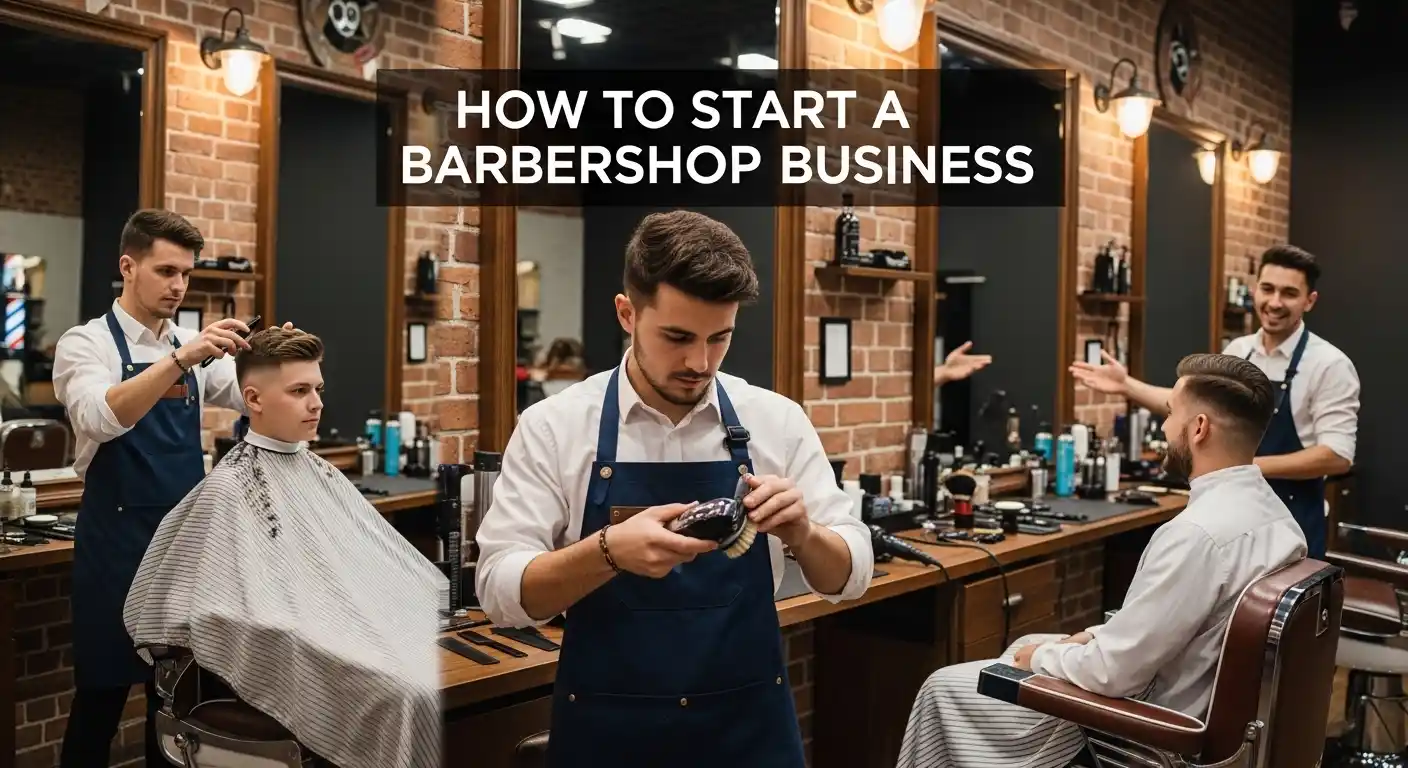
Starting a barbershop business is one of the smartest ways to turn your skills into a profitable and long-term career. But here’s the truth—most barbershops fail not because of poor haircuts, but because of weak business strategy. If you want to stand out in today’s competitive grooming industry, you need more than talent. You need a clear plan, the right location, strong branding, and proven marketing systems that consistently bring clients through your door.
In this complete guide, you’ll learn exactly how to start a barbershop business from scratch and grow it into a thriving, fully booked shop. From setup and costs to marketing and client retention, every step is designed to help you build a barbershop that doesn’t just survive—but dominates.
Quick Answer – How to Start a Barbershop
How to Start a Barbershop Business
- Create a barbershop business plan
- Get licenses and permits
- Choose a high-traffic location
- Buy professional equipment
- Design your shop and brand
- Hire skilled barbers
- Use marketing to attract clients
- Focus on client retention
Related Guides:
Barber Shop Startup Costs (2026 Full Breakdown)
Step-by-Step Guide to Start a Barbershop
- Research your local market
- Choose your business model
- Calculate startup costs
- Register your business legally
- Find and design your shop location
- Buy essential barber equipment
- Build your brand identity
- Launch marketing campaigns
- Open and start taking clients
- Focus on retention and growth
Understanding the Modern Barbershop Industry
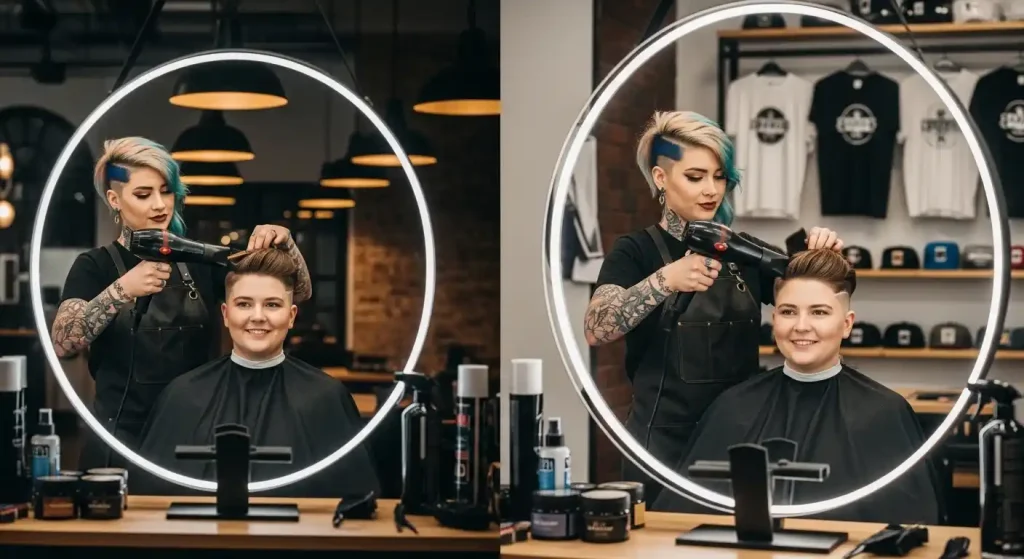
The modern barbershop industry has evolved far beyond simple haircut services. Today’s barbershops combine traditional grooming, modern styling, and personalized customer experiences. As men’s grooming continues to grow in popularity, many barbershops now offer services such as beard shaping, hair styling, hot towel shaves, and premium grooming treatments.
For entrepreneurs, this industry presents strong opportunities because clients often visit regularly for haircuts and grooming. Understanding how the industry works, what clients expect, and how successful shops operate can help you build a profitable and sustainable barbershop business.
Current Barber Industry Trends
The barber industry has experienced significant growth in recent years due to the increasing focus on men’s grooming and personal style. Many modern barbershops now focus on creating a unique atmosphere where clients enjoy both professional grooming services and a relaxing social experience.
Some major trends shaping the industry include:
- Growth of premium grooming services
- Increased use of online booking systems
- Strong presence of barbers on social media
- Rising demand for customized hairstyles and beard grooming
- Expansion of luxury and boutique barbershops
These trends show that barbershops are no longer just haircut businesses—they are becoming full grooming destinations and lifestyle brands.
Why Barbershops Are Still Profitable
One reason the barber industry remains strong is the consistent demand for haircuts and grooming services. Unlike many businesses that rely on seasonal customers, barbershops benefit from regular repeat clients who return every few weeks for maintenance.
Several factors contribute to the profitability of barbershops:
- Low product costs compared to service pricing
- Strong customer loyalty and repeat visits
- Opportunities to sell grooming products and add-on services
- Growing interest in premium barber experiences
When managed correctly, a barbershop can generate steady income through consistent appointments and loyal clientele.
What Makes a Barbershop Successful
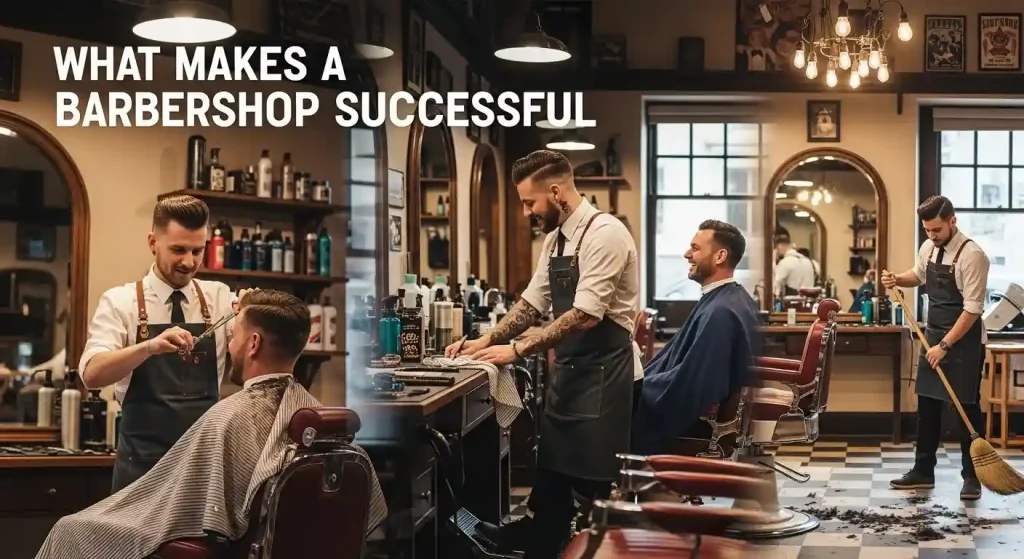
A successful barbershop is built on more than just haircutting skills. It requires the right combination of technical expertise, strong branding, and excellent customer service.
Key elements that contribute to a successful barbershop include:
- Skilled barbers who deliver consistent high-quality haircuts
- A welcoming shop atmosphere and professional environment
- Effective barbershop marketing strategies
- Strong client relationships and customer service
- A clear brand identity that attracts the right audience
When these elements work together, they help create a barbershop that not only attracts new customers but also builds long-term loyal clients.
How to Plan Your Barbershop Business Successfully
Before opening your shop, careful planning is essential. A well-structured plan helps you define your goals, understand your market, and organize the resources needed to launch your business successfully. Proper planning also reduces risks and ensures that your barbershop operates efficiently from the beginning.
Related Guides:
Barber Shop Startup Costs (2026 Full Breakdown)
Barbershop Business Model
Choosing the right barbershop business model will influence how your shop operates and generates revenue.
| Model | Pros | Cons |
|---|---|---|
| Owner-operated | Full control | Time intensive |
| Employee | Scalable | Higher cost |
| Booth rental | Passive income | Less control |
Most barbershops operate under one of the following models:
- Owner-operated barbershop where the owner is also the main barber
- Employee-based model where barbers are hired as staff members
- Booth rental model where independent barbers rent a chair in the shop
Each model has its own advantages. For example, the booth rental model often reduces payroll responsibilities, while the employee model allows greater control over branding and service standards.
Choosing a Target Market
Understanding your target market helps you design services and pricing that appeal to the right customers. Different barbershops cater to different audiences, such as:
- Professionals seeking clean and classic haircuts
- Younger clients interested in modern fades and trendy styles
- Premium clients looking for luxury grooming experiences
By identifying your target audience early, you can shape your barbershop branding, pricing, and services to attract the clients most likely to visit regularly.
Writing a Barbershop Business Plan
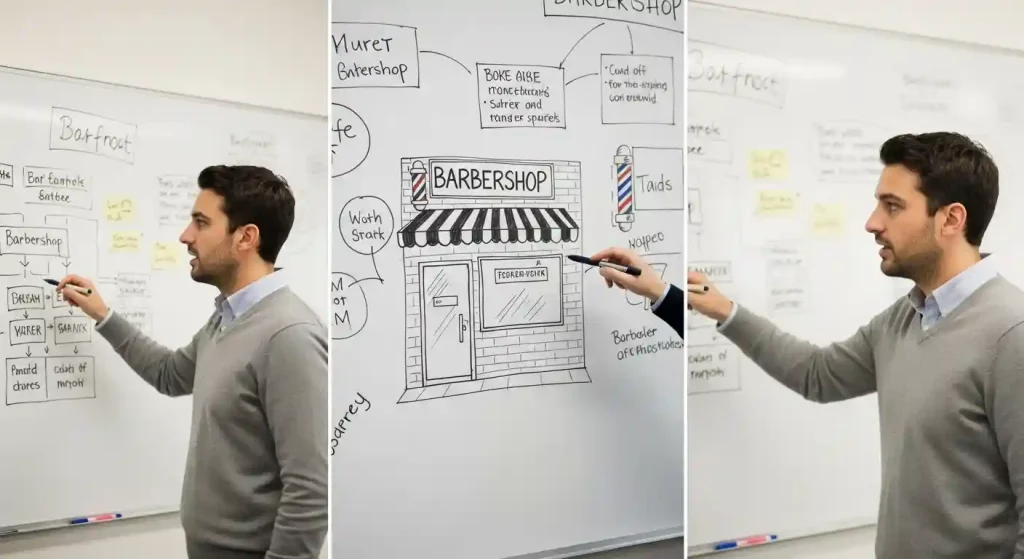
A detailed barbershop business plan acts as a roadmap for your business. It outlines how your shop will operate, grow, and generate revenue over time.
Your business plan should include:
- A clear business concept and mission
- An analysis of your local competition and market demand
- Estimated startup costs and operating expenses
- Pricing strategy and service offerings
- Marketing plans to attract and retain clients
Creating a solid business plan helps you stay organized and increases your chances of building a successful and profitable barbershop business.
Legal Requirements for Opening a Barbershop
Before launching your shop, it is essential to understand the legal requirements for opening a barbershop. These regulations ensure that your business operates safely and complies with local laws. Following the proper legal steps not only protects your business but also builds trust and credibility with customers. Most regions require barbershops to obtain specific licenses, register the business officially, and follow strict health standards.
Barber Licenses
A barber license is one of the most important requirements for opening a barbershop. In many locations, barbers must complete professional training at a certified barber school and pass a licensing exam. This certification confirms that the barber understands haircutting techniques, sanitation practices, and grooming standards.
If you plan to hire additional barbers, they must also hold valid professional barber licenses. Operating a shop without licensed professionals can lead to fines or business closure.
Business Registration
Registering your barbershop as a legal business is another crucial step. This process typically includes choosing a business structure, such as:
- Sole proprietorship
- Limited liability company (LLC)
- Partnership
- Corporation
Business registration allows you to operate legally, open a business bank account, and manage taxes properly. It also protects your brand name and establishes your barbershop as a legitimate company.
Health and Safety Regulations
Barbershops must follow strict health and sanitation regulations to protect both clients and staff. Local health departments usually require inspections to ensure proper hygiene practices.
Common sanitation requirements include:
- Disinfecting clippers, scissors, and tools after each use
- Maintaining clean workstations and barber chairs
- Using proper sanitizing solutions
- Safe disposal of used materials such as blades
Maintaining high cleanliness standards helps your shop meet regulations while providing a safe and professional grooming environment.
Insurance Requirements
Business insurance protects your barbershop from unexpected financial risks. Several types of insurance are commonly recommended for barbershops.
These may include:
- General liability insurance to cover accidents or injuries
- Professional liability insurance for service-related claims
- Property insurance to protect equipment and shop furniture
- Workers’ compensation insurance if you employ staff
Having the right insurance coverage helps safeguard your business and ensures long-term financial stability and protection.
How to Choose the Best Location for a Barbershop
The location of your shop can significantly influence your success. A well-chosen location increases visibility, convenience, and customer traffic, which are critical for building a strong client base. When selecting a location, it is important to evaluate the surrounding area, potential customers, and nearby competitors.
Related Guides:
How to Choose the Best Barbershop for Men
Foot Traffic vs Neighborhood Shops
Barbershops located in high foot-traffic areas often attract walk-in customers and benefit from greater visibility. Locations near shopping centers, busy streets, or commercial districts can help bring consistent new clients.
However, neighborhood barbershops also have advantages. They often develop strong relationships with local residents and build a loyal community-based clientele. Choosing between these options depends on your business goals and target audience.
Competitor Analysis
Before selecting a location, it is important to conduct a competitor analysis. Studying nearby barbershops helps you understand:
- Pricing strategies in the area
- Types of services offered
- Customer demand for grooming services
- Opportunities to differentiate your shop
If a location already has many barbershops, you may need to offer unique services, better branding, or a premium experience to stand out.
Rent and Lease Considerations
Rent is often one of the largest operating costs for a barbershop. Carefully reviewing lease agreements can prevent financial stress in the future.
When evaluating rental spaces, consider:
- Monthly rent and additional maintenance fees
- Lease duration and renewal terms
- Renovation permissions for interior design
- Accessibility and parking availability
Selecting a location with reasonable rent and strong customer access can greatly improve the long-term profitability of your barbershop.
Barbershop Design and Layout Ideas
The design of your shop plays a major role in shaping the customer experience and brand identity. A well-designed barbershop creates a welcoming atmosphere that encourages clients to return regularly. Thoughtful layout planning also improves efficiency for barbers working in the space.
Creating a Comfortable Atmosphere
Customers often choose a barbershop not only for haircuts but also for the overall experience. A comfortable environment helps clients relax and enjoy their visit.
Important elements that contribute to a welcoming atmosphere include:
- Comfortable waiting areas
- Proper lighting for grooming services
- Clean and organized workstations
- Music or entertainment for customers
A pleasant atmosphere can transform a simple haircut appointment into a memorable grooming experience.
Barber Station Layout
A well-planned barber station layout improves workflow and helps barbers work efficiently. Each station should have easy access to tools, mirrors, and sanitation supplies.
Typical barber stations include:
- A high-quality barber chair
- Large mirrors for visibility
- Tool storage for clippers, scissors, and combs
- Sanitation equipment for cleaning tools
Spacing between stations is also important to maintain comfort and avoid overcrowding.
Interior Branding and Decor
The interior design of your shop should reflect your barbershop brand and personality. Many successful shops create a distinctive style that makes their business recognizable.
Popular design styles include:
- Classic vintage barbershop themes
- Modern minimalist interiors
- Industrial-style barber lounges
Using consistent colors, signage, and décor helps reinforce your brand identity while creating a unique space that clients remember and recommend.
Barbershop Equipment and Tools
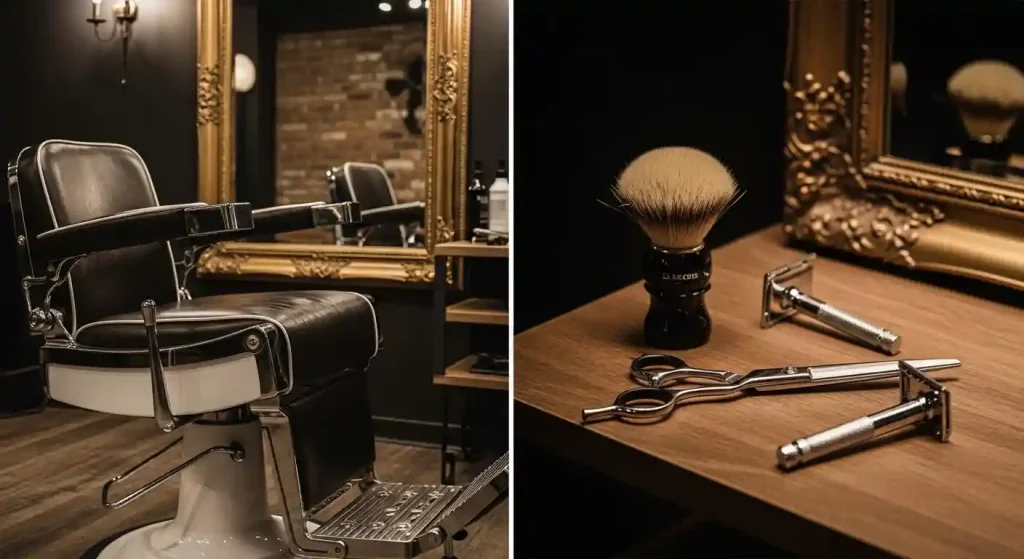
Investing in the right barbershop equipment and tools is essential for delivering professional grooming services. High-quality tools not only improve the accuracy of haircuts but also enhance the overall customer experience. A well-equipped barbershop allows barbers to work efficiently while maintaining high standards of service and hygiene.
Related Guides:
Essential Barber Tools
Every professional barbershop needs a set of essential barber tools to perform different types of haircuts and grooming services. Using reliable tools helps ensure precision and consistency in every appointment.
Common barber tools include:
- Professional hair clippers and trimmers
- Barber scissors and thinning shears
- Straight razors for clean edges and shaves
- Combs and brushes for styling
- Hair dryers and styling products
Investing in durable, high-quality tools allows barbers to deliver consistent and professional grooming results, which is critical for building client trust.
Furniture and Workstations
Proper barbershop furniture and workstations help create a comfortable and efficient work environment. Each barber station should be designed to support both the barber’s workflow and the client’s comfort.
Important furniture and workstation elements include:
- Comfortable barber chairs with adjustable height
- Large mirrors for clear visibility
- Tool cabinets or storage units
- Waiting area seating for clients
- Reception desk or checkout counter
A well-organized workspace improves service speed while maintaining a professional appearance for the shop.
Sanitation and Hygiene Equipment
Maintaining high levels of sanitation and hygiene is essential in any barbershop. Clean tools and workstations protect clients and help the business comply with local health regulations.
Important sanitation equipment includes:
- Disinfectant solutions for tools
- Sterilization containers or UV sanitizers
- Disposable neck strips and gloves
- Cleaning sprays for workstations and chairs
- Proper waste disposal containers
Regular cleaning and sanitizing practices help create a safe and hygienic environment for both barbers and customers.
Hiring and Managing Barbers
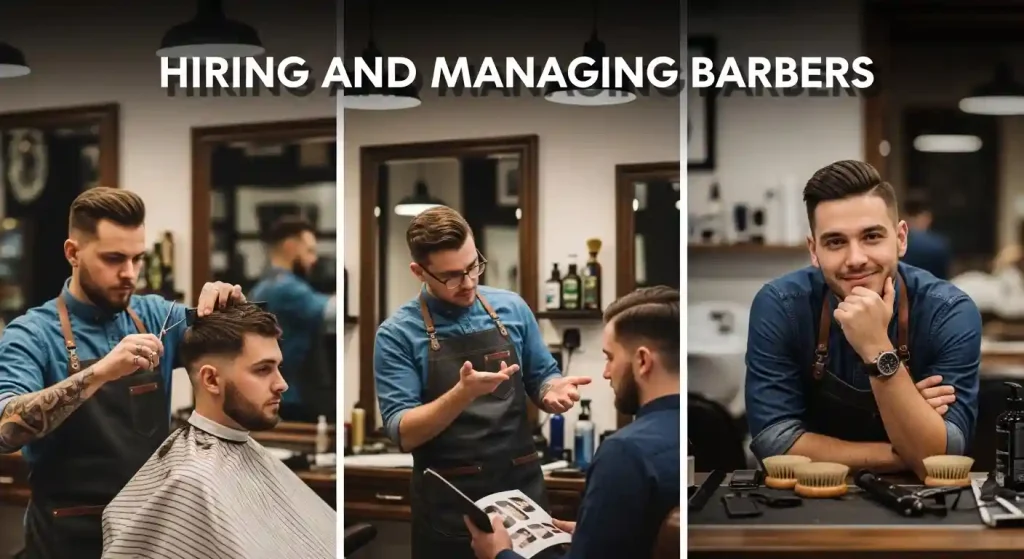
A successful barbershop depends on having skilled and professional barbers who provide consistent service. Hiring the right team and managing them effectively helps maintain service quality, improve customer satisfaction, and build a positive shop reputation.
Employee vs Booth Rental Model
Barbershops often operate using either an employee model or a booth rental model, and each approach has its advantages.
In the employee model, barbers work as staff members and receive a salary or commission. This allows the shop owner to maintain control over pricing, branding, and service standards.
In the booth rental model, barbers rent a chair in the shop and operate more independently. They manage their own clients and income while paying a fixed rental fee to the shop owner.
Choosing the right model depends on your business goals, management style, and how much control you want over daily operations.
Training and Skill Development
Even experienced barbers benefit from continuous training and skill development. Grooming trends change regularly, and barbers must stay updated with modern styles and techniques.
Encouraging ongoing education can include:
- Attending barber workshops and training sessions
- Learning new haircut styles and grooming techniques
- Improving customer service skills
- Staying informed about industry trends
Continuous learning helps barbers deliver better services and strengthens the overall reputation of the barbershop.
Creating a Positive Team Culture
A strong team culture plays a major role in the success of a barbershop. When barbers feel respected and motivated, they are more likely to provide excellent service to clients.
To build a positive workplace culture:
- Encourage teamwork and mutual support
- Maintain clear communication between staff members
- Recognize and reward excellent performance
- Create a professional and respectful work environment
A positive team atmosphere helps attract talented barbers and contributes to a consistent and enjoyable customer experience.
Barbershop Marketing Strategies to Get More Clients
Effective barbershop marketing is essential for attracting new clients and growing your customer base. Even the best barbershop needs a strong marketing strategy to stay visible in a competitive market. By combining digital marketing with local promotion, you can consistently bring new customers into your shop.
Local SEO Strategies
Local SEO helps your barbershop appear in search results when people nearby look for grooming services. Optimizing your website and online listings ensures that potential clients can easily find your business.
Important local SEO strategies include:
- Using location-based keywords such as “barbershop near me”
- Creating a professional barbershop website
- Listing your business in local directories
- Encouraging customers to leave online reviews
Strong local SEO improves your visibility and increases the chances of attracting new walk-in and appointment clients.
Social Media Growth
Social media has become one of the most powerful marketing tools for barbershops. Platforms like Instagram, TikTok, and Facebook allow barbers to showcase their work and build a loyal online audience.
Effective social media strategies include:
- Posting before-and-after haircut photos
- Sharing grooming tips and style inspiration
- Highlighting satisfied customers
- Engaging with followers through comments and messages
Consistent social media activity helps build brand awareness and trust among potential clients.
Google Business Profile Optimization
Creating and optimizing your Google Business Profile is one of the most important steps for attracting local clients. This profile appears in Google Maps and local search results when people search for nearby barbershops.
To optimize your profile:
- Add accurate business information and contact details
- Upload high-quality photos of your shop and services
- Encourage customers to leave positive reviews
- Update your business hours regularly
A well-optimized profile increases your chances of appearing in local search results, bringing more customers to your shop.
Community Marketing
Building relationships within your local community can significantly increase your barbershop’s visibility. Community marketing focuses on creating connections with people and businesses in your area.
Examples of community marketing strategies include:
- Partnering with local businesses for cross-promotion
- Sponsoring community events or sports teams
- Offering discounts for nearby residents or students
- Participating in local festivals or charity events
Community engagement helps establish your shop as a trusted local business and encourages long-term customer loyalty.
Barbershop Client Retention Systems
Attracting new customers is important, but the long-term success of a barbershop depends on client retention. Loyal clients who return regularly create a stable and predictable income for your business. By implementing effective barbershop client retention systems, you can build lasting relationships and encourage customers to return for future services.
Rebooking Systems
A rebooking system helps ensure that clients schedule their next appointment before leaving the shop. Encouraging customers to rebook immediately can significantly increase repeat visits.
Effective rebooking strategies include:
- Asking clients to schedule their next haircut before leaving
- Using online booking systems that allow easy appointment scheduling
- Sending automated appointment reminders
- Offering small incentives for advance bookings
A strong rebooking process helps maintain a consistent schedule and improves the overall stability of your barbershop business.
Loyalty Programs
A loyalty program rewards customers for returning to your barbershop regularly. These programs encourage repeat visits and strengthen the relationship between the shop and its clients.
Popular loyalty program ideas include:
- A free haircut after a certain number of visits
- Points systems that reward repeat customers
- Exclusive discounts for loyal clients
- Special promotions for long-term customers
Loyalty programs create a sense of appreciation and motivate clients to continue choosing your barbershop over competitors.
Personalized Client Notes
Keeping personalized client notes helps barbers remember important details about each customer’s preferences. This small practice can greatly improve the customer experience.
Barbers can record information such as:
- Preferred haircut styles
- Favorite grooming products
- Special requests or style adjustments
- Previous haircut history
When a barber remembers a client’s preferences without asking, it creates a personalized experience that encourages long-term loyalty.
The Barbershop Growth Formula
Building a successful barbershop requires more than just opening a shop and waiting for customers to arrive. True growth happens when several key elements work together. A simple way to understand this process is through the Barbershop Growth Formula:
Skill + Experience + Branding + Marketing + Client Retention
Each component plays a vital role in helping a barbershop grow and remain competitive.
Skill refers to the barber’s ability to deliver high-quality haircuts and grooming services. Clients return to barbers who consistently provide excellent results.
Experience comes from years of practice and exposure to different haircut styles and customer preferences. Experienced barbers can adapt to trends and deliver customized services.
Branding helps a barbershop stand out in a crowded market. A strong brand includes a memorable shop name, a recognizable style, and a unique customer experience.
Marketing ensures that people know about your barbershop. Effective marketing strategies such as local SEO, social media promotion, and referral programs help attract new clients.
Finally, client retention keeps customers coming back. Loyal clients are the foundation of a profitable barbershop because they provide consistent income and often recommend your services to others.
When these five elements work together, they create a powerful system for sustainable barbershop growth.
Multiple Revenue Streams for Barbershops
While haircuts are the primary service offered by most barbershops, relying only on haircut appointments can limit business growth. Expanding into additional revenue streams allows barbershops to increase profits and diversify income sources.
Selling Grooming Products
Selling grooming products is one of the easiest ways to increase barbershop revenue. Many clients trust their barber’s recommendations for hair and beard care products.
Popular products to sell include:
- Hair styling products
- Beard oils and balms
- Shampoos and conditioners
- Grooming kits and accessories
Retailing grooming products allows barbershops to generate additional income while helping clients maintain their style at home.
Premium Haircut Packages
Offering premium haircut packages can increase the value of each appointment. Instead of providing only basic haircuts, barbershops can bundle multiple services into a complete grooming experience.
Examples of premium packages include:
- Haircut with beard trim and hot towel shave
- Haircut combined with scalp massage or styling treatment
- Special grooming packages for events or weddings
These packages provide more value to customers while increasing average service revenue.
Membership and Subscription Models
Many modern barbershops are adopting membership or subscription models. This approach allows clients to pay a monthly fee in exchange for regular grooming services.
Membership benefits may include:
- A set number of haircuts per month
- Priority appointment scheduling
- Discounts on grooming products
- Exclusive member promotions
Subscription models provide predictable monthly income and strengthen long-term customer relationships.
Technology Every Modern Barbershop Needs
Technology has become an essential part of running a successful barbershop. Modern tools help streamline operations, improve customer experience, and increase efficiency.
Booking Software
Online booking software allows clients to schedule appointments quickly and conveniently. Instead of relying only on phone calls or walk-ins, customers can book services through a website or mobile app.
Benefits of booking software include:
- 24/7 appointment scheduling
- Automated reminders to reduce missed appointments
- Easier management of daily schedules
- Improved customer convenience
Using booking software helps barbershops manage appointments more efficiently.
POS Systems
A point-of-sale (POS) system simplifies payment processing and financial tracking. Modern POS systems allow barbershops to accept multiple payment methods, including credit cards and digital wallets.
POS systems can also help with:
- Tracking daily sales
- Managing product inventory
- Generating financial reports
- Processing tips and commissions
These features make financial management easier and improve the overall efficiency of the business.
Customer Management Tools
Customer management tools help barbershops maintain organized records of their clients. These systems store customer profiles, appointment history, and service preferences.
Benefits of customer management tools include:
- Tracking repeat clients
- Recording haircut preferences
- Sending promotional messages or reminders
- Building personalized customer experiences
Barbershop Financial Management
Effective barbershop financial management is essential for building a profitable and sustainable business. Even a busy barbershop can struggle if income and expenses are not properly managed. By creating smart pricing strategies, controlling operating costs, and focusing on profitability, barbershop owners can maintain long-term financial stability.
Pricing Strategies
Setting the right pricing strategy helps balance affordability for customers with profitability for your business. Prices should reflect the quality of your services, your location, and the level of experience offered by your barbers.
Common pricing strategies include:
- Competitive pricing based on local market rates
- Premium pricing for specialized or luxury grooming services
- Tiered pricing for different haircut styles or service packages
- Bundled services such as haircut and beard grooming combinations
Carefully structured pricing helps barbershops remain competitive while maintaining healthy profit margins.
Managing Expenses
Controlling operating expenses is another key part of barbershop financial management. Monitoring costs helps prevent unnecessary spending and ensures the business remains profitable.
Typical barbershop expenses include:
- Shop rent and utilities
- Equipment purchases and maintenance
- Employee wages or booth rental agreements
- Marketing and advertising costs
- Supplies such as cleaning products and grooming materials
Tracking expenses regularly allows business owners to identify areas where they can reduce costs and improve financial efficiency.
Increasing Profit Margins
Increasing profit margins involves finding ways to generate more revenue while managing costs effectively. Barbershops can improve profitability by optimizing services and creating additional income opportunities.
Strategies to increase profit margins include:
- Offering premium grooming services
- Selling professional hair and beard care products
- Implementing membership or subscription programs
- Improving scheduling efficiency to maximize appointments
By combining strong pricing strategies with careful expense management, barbershop owners can build a financially successful business.
Mistakes That Prevent Barbershops From Growing
Many barbershops struggle to grow because of common business mistakes. Identifying and avoiding these issues can help shop owners build a stronger brand and attract more loyal clients.
Ignoring Branding
A weak or inconsistent barbershop brand can make it difficult for customers to remember or recognize your business. Branding goes beyond a shop name—it includes the overall style, atmosphere, and customer experience your shop offers.
Strong branding involves:
- A memorable shop name and logo
- Consistent interior design and style
- A clear identity that appeals to your target audience
A recognizable brand helps your barbershop stand out in a competitive market.
Poor Customer Experience
Providing a positive customer experience is one of the most important factors in retaining clients. If customers feel rushed, uncomfortable, or dissatisfied with the service, they are unlikely to return.
Improving customer experience includes:
- Delivering consistent, high-quality haircuts
- Maintaining a clean and welcoming environment
- Treating clients with professionalism and respect
- Minimizing long waiting times
Satisfied customers are more likely to become loyal clients and recommend your barbershop to others.
Lack of Marketing Strategy
Even a great barbershop may struggle if people do not know it exists. Without a clear marketing strategy, it can be difficult to attract new customers.
Effective marketing strategies include:
- Optimizing your online presence through local SEO
- Posting haircut transformations on social media platforms
- Encouraging customers to leave positive online reviews
- Offering referral discounts and promotions
Consistent marketing ensures your barbershop continues to grow and attract new clients.
Future Trends in the Barber Industry
The barber industry continues to evolve as customer preferences and technology change. Understanding these future trends can help barbershop owners stay competitive and adapt their services to meet modern expectations.
Digital Branding for Barbers
Many barbers are now building strong digital brands through social media platforms. By sharing haircut transformations, styling tips, and behind-the-scenes content, barbers can attract new clients and establish themselves as experts in the industry.
A strong digital presence helps barbershops reach wider audiences and increase brand recognition.
Barber Influencers
Social media has created a new category of professionals known as barber influencers. These individuals showcase their haircut techniques, grooming products, and personal brands online.
Barbers who build a strong online following often benefit from:
- Increased customer bookings
- Partnerships with grooming product brands
- Opportunities to host workshops or training events
Influencer marketing has become a powerful tool for growing a barbershop’s reputation.
Luxury Grooming Services
Many modern barbershops are expanding into luxury grooming services. These premium experiences often include additional treatments that enhance the overall visit.
Examples of luxury services include:
- Hot towel shaves
- Scalp massages and conditioning treatments
- Premium beard grooming services
- High-end grooming product lines
Offering luxury services allows barbershops to increase revenue while providing clients with a more refined grooming experience.
Common Barbershop Startup Mistakes
- Choosing wrong location
- Overspending on design
- Ignoring marketing
- Poor customer experience
- No rebooking system
FAQs About Starting a Barbershop
How much does it cost to start a barbershop?
The cost of starting a barbershop varies depending on location, shop size, and equipment. On average, startup costs can range from $50,000 to $150,000, including rent, renovation, barber chairs, tools, and business licenses.
Is owning a barbershop profitable?
Yes, owning a barbershop can be profitable if managed effectively. Regular customer visits, additional services, and product sales can create consistent and recurring income.
What equipment do you need to open a barbershop?
Essential barbershop equipment includes barber chairs, clippers, trimmers, scissors, mirrors, sanitation tools, and styling products.
How long does it take to build a loyal barber clientele?
Building a strong clientele usually takes 6 months to 2 years, depending on the quality of services, marketing efforts, and customer experience.
How do barbershops attract more customers?
Barbershops can attract customers through local SEO, social media marketing, referral programs, community events, and excellent customer service.
Conclusion
Starting a barbershop business is not just about opening a shop—it’s about building a brand, creating an experience, and earning long-term trust from your clients. The barbers who succeed are the ones who combine skill with smart business strategies, consistent marketing, and a strong focus on customer satisfaction.
If you apply the steps in this guide, you won’t just launch a barbershop—you’ll create a business that attracts loyal clients, generates steady income, and continues to grow year after year. Stay consistent, keep improving your craft, and focus on delivering value every time a client sits in your chair. That’s how you turn a simple barbershop into a powerful and profitable business.