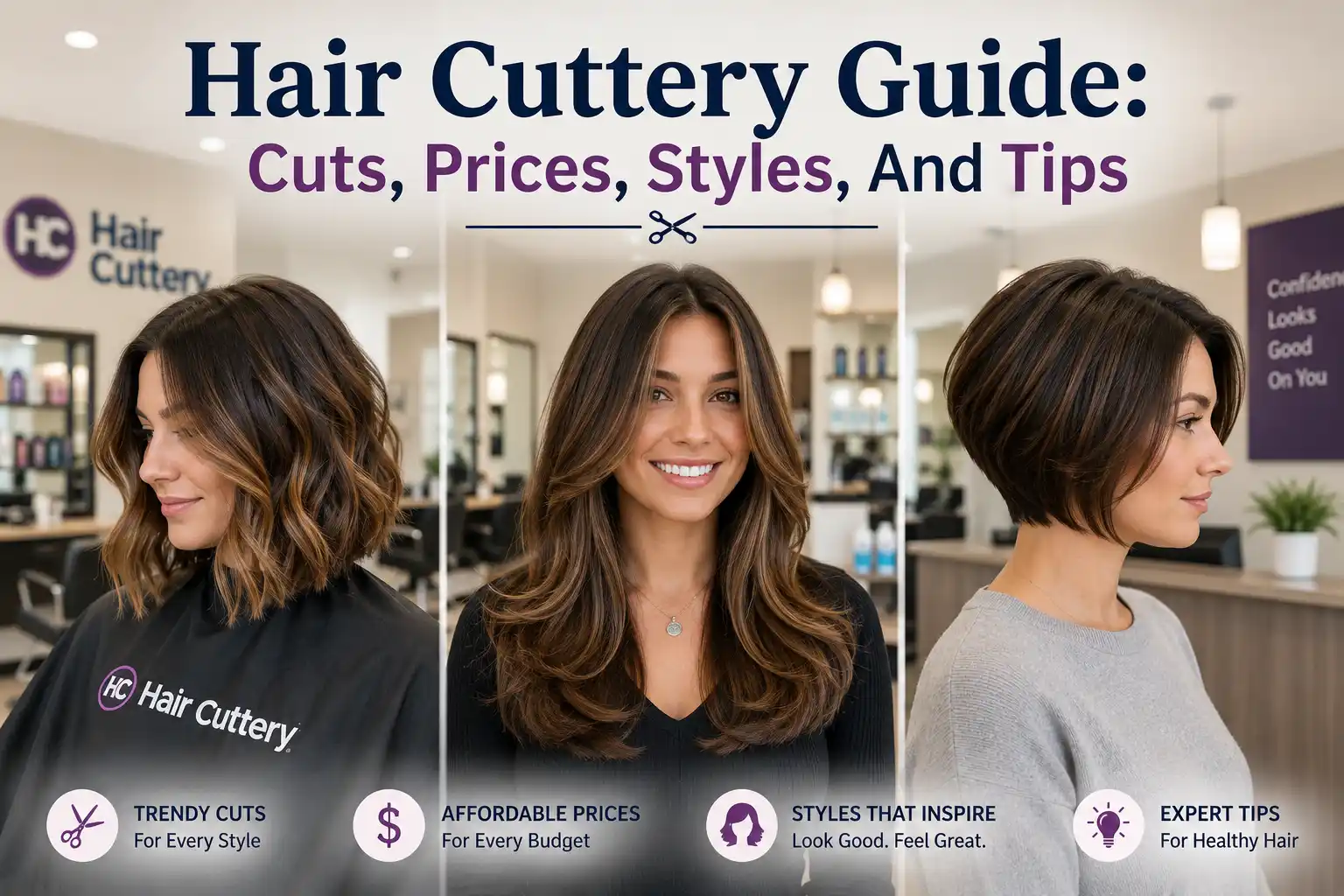
This Hair Cuttery guide is for anyone planning a fresh salon haircut in 2026.
It covers style ideas, booking tips, face shapes, hair types, and upkeep.
You’ll see practical cuts for short, medium, long, curly, straight, fine, and thick hair.
Use it before your appointment so you can ask for the right look.
Quick Answer
Hair Cuttery is a full-service salon option for haircuts, styling, color, and family visits.
The best cut depends on your hair type, face shape, lifestyle, and styling time.
TL;DR
• Check local prices before booking.
• Bring clear haircut photos.
• Choose upkeep you can manage.
• Layers add movement and softness.
• Short cuts need more trims.
• Ask for styling tips before leaving.
Hair Cuttery Services And What To Expect
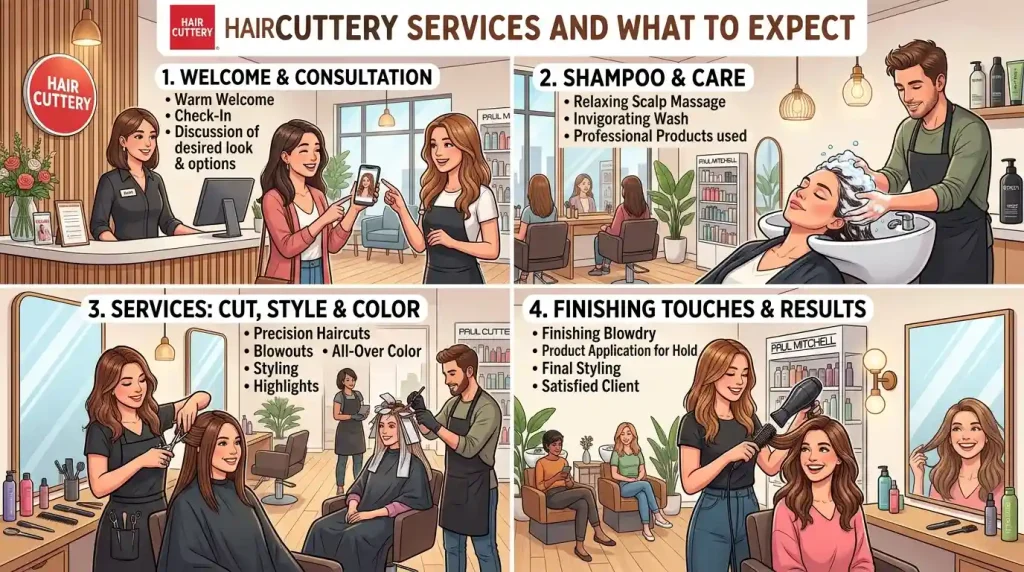
Hair Cuttery salons offer haircut and styling services for many everyday needs.
You can go for a trim, major change, blowout, color service, or family haircut.
Your exact visit may vary by location, stylist, and selected service.
A good appointment starts with a clear talk about length, shape, and care.
• Adult haircuts for trims, shape changes, and fresh style updates.
• Kids’ haircuts for simple, school-friendly, easy-care looks.
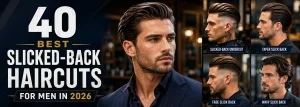
• Men’s cuts, including taper, fade, crop, and scissor cuts.
• Blowouts for smoother shape, bounce, or event-ready polish.
• Bang trims for quick refreshes between full haircut visits.
• Color services when you want a cut and shade update.
• Treatments for smoother feel, shine, or easier styling.
• Waxing services at many locations for simple grooming needs.
• Product advice based on your finished cut and hair texture.
• Style consultation before the cut, especially for major changes.
Hair Cuttery Prices And Smart Budget Tips
Hair Cuttery prices can change by city, salon, stylist, and service type.
That means the safest move is checking your local salon before booking.
A basic haircut usually costs less than a haircut with color or treatment.
Add-ons, long hair, or extra styling time may raise the final bill.
• Check your local salon page before choosing a service.
• Ask if shampoo, blow-dry, or styling is included.
• Confirm kids’ haircut pricing before a family visit.
• Ask about extra fees for long or very thick hair.
• Save color questions for a stylist consultation.
• Choose a trim if you only need shape cleanup.
• Book extra time for big changes or layered cuts.
• Ask about current salon offers before checkout.
• Tip your stylist based on service and satisfaction.
• Call ahead if online prices are unclear.
How To Book A Hair Cuttery Appointment
Booking ahead helps you choose your service, stylist, date, and time.
It also makes the visit smoother when your schedule is tight.
Walk-ins may work at some salons, but they depend on open time.
For weekends, evenings, or color services, booking is usually smarter.
• Use online booking for the easiest appointment setup.
• Enter your city or ZIP code to pick a location.
• Choose the exact service you need before confirming.
• Select a stylist if you already know who you like.
• Book longer time for big haircut changes.
• Add notes if your hair is very thick or long.
• Arrive with clean, detangled hair when possible.
• Bring photos from more than one angle.
• Call the salon for special timing needs.
• Cancel early if your plans change.
Hair Cuttery Near Me: Choosing The Right Location
The best Hair Cuttery location is not always the closest one.
Look at hours, services, stylist availability, reviews, and comfort.
A nearby salon is helpful for regular trims and family appointments.
For a major change, choose the location that feels most prepared.
• Check whether the salon offers your needed service.
• Read recent reviews for haircut quality and service.
• Look for photos of finished cuts when available.
• Choose easy parking if taking kids or seniors.
• Pick slower times for a calmer first visit.
• Call ahead for color, texture, or major cut questions.
• Ask if a specific stylist handles your hair type.
• Compare nearby salons if appointment slots are limited.
• Save your favorite location after a good visit.
• Rebook before leaving if you need regular trims.
Short Haircuts To Ask For In 2026
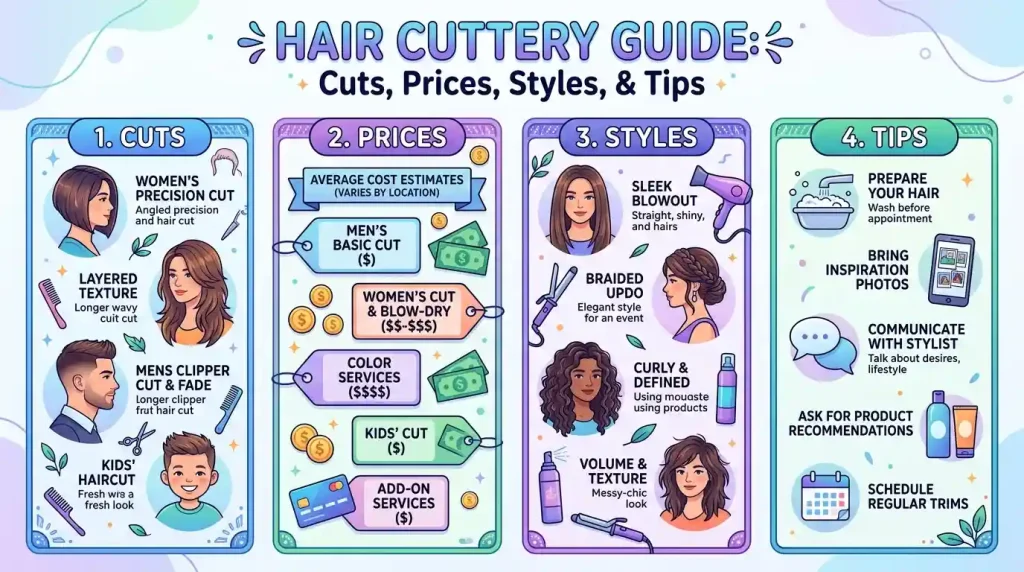
Short haircuts feel fresh when the shape works with your texture.
They can look soft, bold, polished, or low-fuss.
Shorter styles need clear salon wording because small changes show fast.
Ask about grow-out, trim timing, and daily styling before cutting.
• Soft bob: Chin-length shape with light movement and easy polish.
• Micro bob: Short, sharp bob best for confident daily styling.
• Textured pixie: Short layers with lift, softness, and quick styling.
• Bixie cut: Pixie-bob blend with more length around the face.
• French bob: Jaw-length cut with soft ends and optional bangs.
• Tapered crop: Clean neckline with texture on top.
• Short shag: Choppy layers with movement and relaxed volume.
• Side-swept pixie: Longer top pieces brushed softly to one side.
• Rounded bob: Curved shape that gives fine hair fuller edges.
• Cropped curls: Short curly shape with volume kept balanced.
Medium Haircuts With Movement
Medium hair is flexible because it sits between easy and expressive.
It works well for layers, waves, lobs, bangs, and soft shaping.
This length is helpful if you want change without losing too much hair.
It also grows out more softly than many short cuts.
• Collarbone lob: Clean length that suits straight, wavy, or fine hair.
• Textured mid-length cut: Soft layers that add body without bulk.
• Shoulder shag: Airy layers for waves, curls, or relaxed styling.
• Face-framing layers: Shorter front pieces that open the face.
• Curtain bangs with lob: Soft fringe that blends into side layers.
• Blunt medium cut: Fuller ends for thin or fine hair.
• Layered waves: Movement through the middle and ends.
• Rounded shoulder cut: Smooth shape with gentle volume.
• Medium wolf cut: Choppy crown with softer bottom length.
• Side-part lob: Simple shape with extra lift at the front.
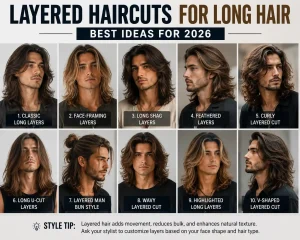
Long Haircuts That Still Feel Fresh
Long hair looks best when it has shape, not just length.
A few smart layers can make it feel lighter and easier to style.
The goal is movement while keeping healthy-looking ends.
Ask your stylist how much length must come off for a clean finish.
• Long butterfly layers: Face-framing shape with soft, flowing movement.
• Long U-shape cut: Rounded back shape that keeps length.
• Long V-shape cut: Pointed back shape with more dramatic layers.
• Long blunt cut: Strong ends for a fuller, polished look.
• Face-framing long layers: Soft pieces around cheeks and jaw.
• Long curtain bangs: Easy fringe that blends into layers.
• Invisible layers: Subtle movement without obvious choppy pieces.
• Long shag: Texture and volume with a relaxed finish.
• Soft step layers: Clear layers that reduce heavy ends.
• One-length long cut: Simple, sleek, and lower maintenance.
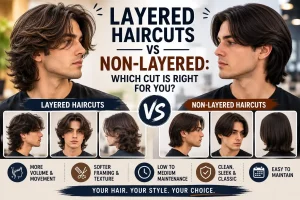
Layered Haircuts For Shape And Volume
Layered haircuts can add lift, reduce bulk, or create movement.
The right layer pattern depends on density, texture, and length.
Fine hair usually needs soft, careful layering to avoid thin ends.
Thick hair may need weight removal without losing the main shape.
• Light face layers: Soft shape without changing the full length.
• Long internal layers: Hidden movement for heavy hair.
• Round layers: Balanced volume through the sides and crown.
• Airy layers: Soft pieces that move without looking choppy.
• Textured ends: Light detail that helps waves bend naturally.
• Layered lob: Medium cut with body and easy styling.
• Layered curls: Shape that supports curl pattern and bounce.
• Feathered layers: Soft, blended pieces around the face.
• Soft crown layers: Gentle lift near the top of the head.
• Blended layers: Smooth transitions for a natural grow-out.
Bob Haircuts From Classic To Butterfly Bob
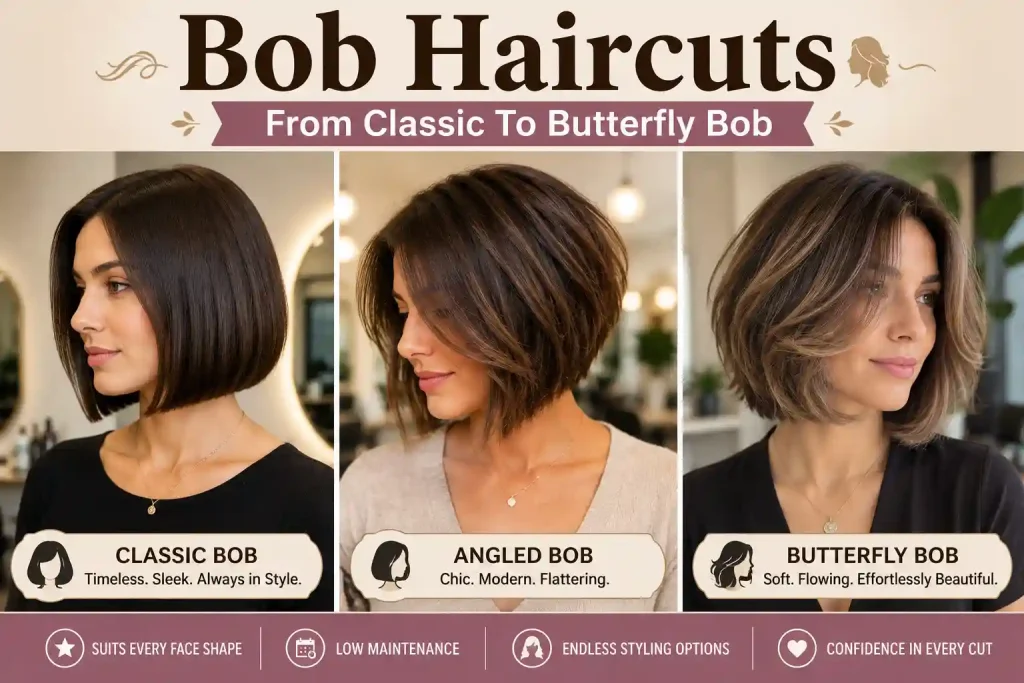
Bob haircuts stay popular because they can feel clean or playful.
The best bob depends on length, part, texture, and face framing.
A bob may need more trims than longer cuts to keep its line.
Ask how it will look air-dried and styled before you decide.
• Classic bob: Even shape near the jaw or chin.
• Blunt bob: Strong ends that make hair look fuller.
• Soft swing bob: Polished movement with light bounce at the ends.
• Butterfly bob: Short layered bob with airy, face-framing volume.
• A-line bob: Slightly longer front for a sharper outline.
• Layered bob: Movement and softness for thick or wavy hair.
• Curly bob: Rounded shape that respects natural curl spring.
• French bob: Short, soft, and often paired with bangs.
• Lob: Longer bob that reaches the collarbone.
• Textured bob: Piecey ends for relaxed everyday styling.
Pixie And Bixie Haircuts For A Bold Change
Pixie and bixie cuts are great when you want a clear change.
They can look soft, edgy, neat, or playful.
These cuts need trust and clear communication with your stylist.
Bring photos showing the front, sides, back, and neckline.
• Soft pixie: Short cut with gentle layers and easy texture.
• Long pixie: More top length for styling options.
• Side-swept pixie: Longer fringe that softens the face.
• Tapered pixie: Clean sides and back with shape on top.
• Textured bixie: Bob-pixie blend with movement and softness.
• Polished bixie: Smooth shape with a neat salon finish.
• Curly pixie: Short curl shape with controlled volume.
• Choppy bixie: Piecey layers for a bold, modern look.
• Ear-length bixie: Short but still tuckable around the ears.
• Grown-out pixie: Great choice between pixie and bob.
Shag And Wolf Cut Ideas
Shags and wolf cuts are made for texture, movement, and personality.
They work best when layers match your natural hair pattern.
A soft shag is easier for daily wear than a sharp wolf cut.
Ask your stylist to adjust the crown layers to your comfort level.
• Soft shag: Light layers with relaxed movement and easy styling.
• Modern wolf cut: More crown texture with longer lower layers.
• Short wolf cut: Choppy shape for bob or bixie grow-out.
• Curly shag: Layered shape that helps curls sit with balance.
• Wavy shag: Natural bends with light face framing.
• Medium shag: Shoulder-length cut with volume and soft edges.
• Long shag: Texture without losing long-hair drama.
• Shag with curtain bangs: Soft fringe that blends into layers.
• Fine-hair shag: Gentle texture without thinning the bottom too much.
• Thick-hair wolf cut: Weight removal with controlled fullness.
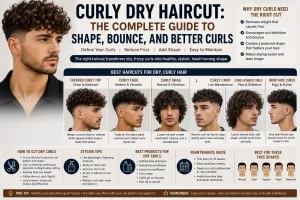
Haircuts For Curly, Wavy, And Coily Hair
Textured hair needs shape that supports how it naturally moves.
A good cut should respect shrinkage, curl pattern, and density.
Tell your stylist how you usually wear your hair day to day.
That helps them shape it for real life, not only salon styling.
• Ask for curl-friendly shaping, not random thinning.
• Bring photos with a texture close to yours.
• Discuss shrinkage before cutting bangs or short layers.
• Choose rounded layers for balanced curly volume.
• Try long layers if you want less triangle shape.
• Use face-framing pieces for softness around the front.
• Keep ends healthy so curls group better.
• Ask if dry cutting makes sense for your curl pattern.
• Avoid heavy blunt lines if your curls expand wide.
• Request styling advice before leaving the chair.
Haircuts For Fine, Thick, And Straight Hair
Hair density changes how a haircut looks after you leave.
Fine hair may need fuller ends, while thick hair may need balance.
Straight hair shows lines clearly, so precision matters.
Ask your stylist what shape will hold best between trims.
• Fine hair often looks fuller with blunt or soft ends.
• Avoid too many layers if your ends already look thin.
• Thick hair may need internal weight removal.
• Long thick hair works well with blended layers.
• Straight hair suits clean bobs, lobs, and long layers.
• Fine straight hair can use curtain bangs for movement.
• Thick straight hair may need soft texturing near the ends.
• Medium cuts can make heavy hair easier to style.
• Ask for volume without losing too much density.
• Choose trims often if your ends split quickly.
Haircuts By Face Shape
Face shape can guide a haircut, but it should not limit you.
The best cut is one that feels good and fits your routine.
Use face-shape advice as a starting point, not a strict rule.
Your stylist can adjust length, bangs, and layers for balance.
• Round face: Try face-framing layers below the cheekbones.
• Oval face: Most cuts work, so focus on hair texture.
• Square face: Soft layers can relax strong jawline edges.
• Heart face: Curtain bangs can balance a wider forehead.
• Long face: Medium cuts and bangs can add width.
• Small face: Avoid very heavy layers that hide features.
• Full cheeks: Longer front pieces can create soft length.
• Strong jaw: A lob or soft bob can feel balanced.
• High forehead: Wispy or curtain bangs may help.
• Unsure shape: Ask your stylist for a face-framing plan.
Men’s, Kids’, And Family Haircut Ideas
Hair Cuttery can be useful for families who need simple salon visits.
The goal is a clean cut that fits school, work, sports, and routine.
Men’s and kids’ cuts should still match hair type and lifestyle.
Bring photos, but also explain how much styling time is realistic.
• Classic taper: Clean sides with a natural, easy finish.
• Low fade: Subtle fade that works for school or work.
• Textured crop: Short top with movement and low effort.
• Scissor cut: Softer shape without clipper-heavy sides.
• Crew cut: Very short, neat, and simple to maintain.
• Kids’ trim: Keeps length while cleaning ends and shape.
• School haircut: Comfortable cut that stays neat longer.
• Curly kid cut: Shape curls without cutting them too short.
• Teen layered cut: Movement and personality without hard upkeep.
• Family trim visit: Book back-to-back times for easier planning.
What To Tell Your Stylist Before The Cut
Clear salon communication can save you from haircut regret.
Your stylist needs to know your goal, routine, and comfort level.
Do not only say “just clean it up” if you want a real shape.
Use photos, length details, and honest styling habits.
• Show photos of cuts you like and dislike.
• Say how many inches you’re willing to lose.
• Explain how you wear your hair most days.
• Mention if you air-dry, blow-dry, or heat-style.
• Ask what the cut will look like grown out.
• Tell them if you want low maintenance.
• Ask where the shortest layer will sit.
• Discuss bangs before cutting them.
• Ask how often you’ll need trims.
• Request product tips for your exact haircut.
FAQs
How Much Is A Haircut At Hair Cuttery?
Haircut prices can vary by location, service, stylist, and hair needs.
Check your local salon before booking for the most accurate cost.
Does Hair Cuttery Take Walk-Ins?
Some locations may take walk-ins when time is open.
Booking ahead is safer for weekends, evenings, kids’ cuts, or big changes.
What Services Does Hair Cuttery Offer?
Hair Cuttery commonly offers haircuts, styling, color, treatments, and family haircut services.
Exact services may vary by salon, so check your nearby location first.
What Haircut Is Popular In 2026?
Bobs, bixies, pixies, soft shags, butterfly layers, and textured cuts are strong choices.
The best one depends on your hair type and daily styling time.
What Should I Ask My Stylist For?
Ask for the length, shape, layers, bangs, and upkeep you want.
Bring photos and explain how you usually style your hair.
Are Short Haircuts Hard To Maintain?
Short cuts can be quick to style, but they often need more trims.
Ask your stylist how often your cut needs reshaping.
Conclusion
A good Hair Cuttery visit starts with a clear plan and realistic expectations.
Choose a haircut that fits your hair type, face shape, budget, and routine.
Bring photos, ask direct questions, and be honest about styling time.
That simple prep helps you leave with a cut you can enjoy every day.