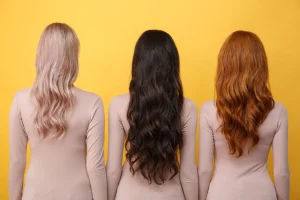
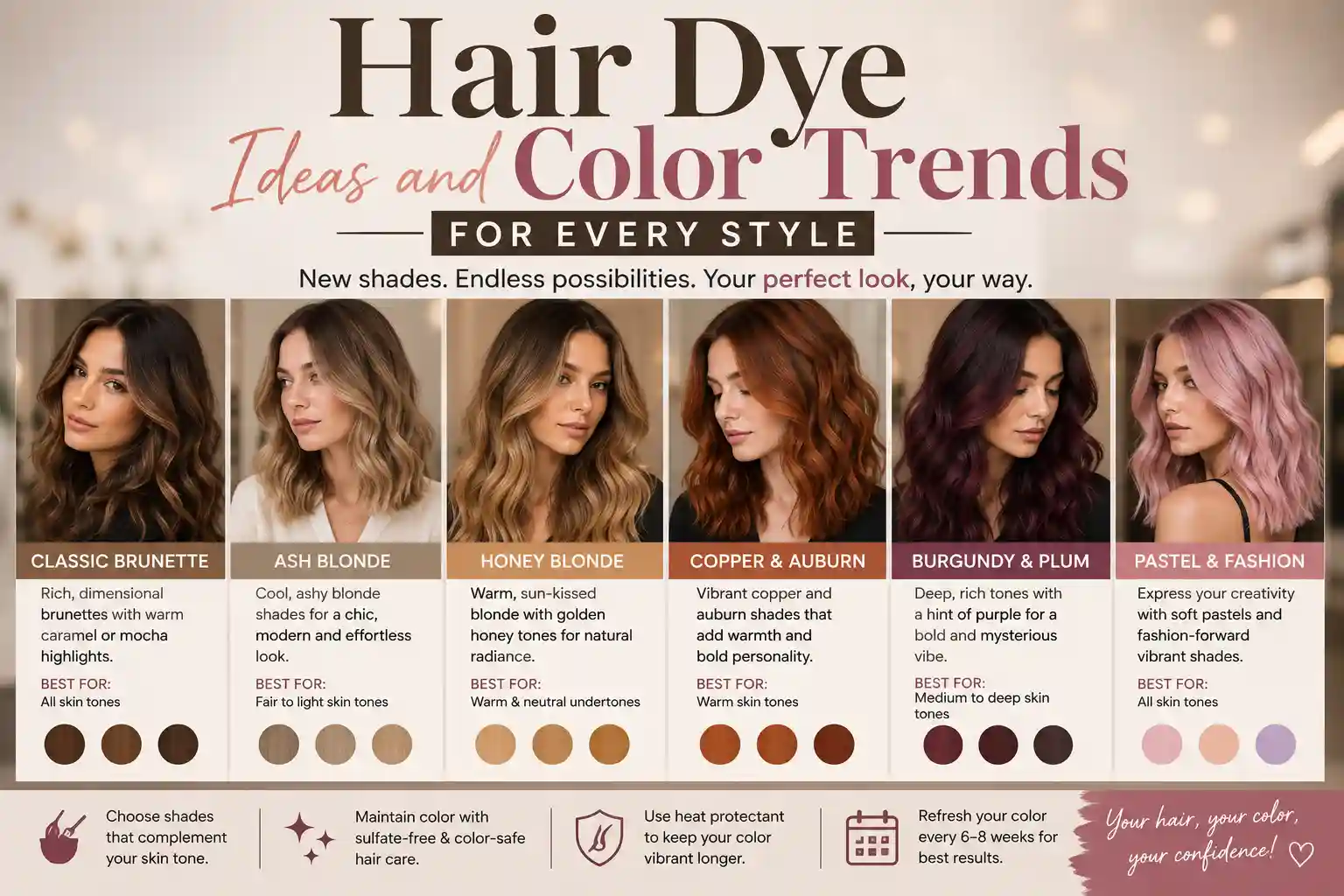
Hair dye can completely change your look without changing your haircut.
This guide helps you choose shades that match your skin tone and lifestyle.
You’ll find color ideas, maintenance tips, fading advice, and salon guidance here.
The goal is to make picking your next hair color feel easier and more realistic.
Quick Answer
Hair dye works best when the shade matches your undertone, maintenance level, and starting hair color. Soft brunettes, warm blondes, and blended balayage remain popular in 2026.
TL;DR
• Soft brunette shades stay popular and low-maintenance
• Copper tones fade faster but look rich and warm
• Balayage creates softer grow-out between appointments
• Gloss treatments help colored hair stay shiny longer
• Fantasy colors need frequent refreshing and gentle care
• Curly hair benefits from moisture-focused color routines
Blonde Hair Dye Ideas
Blonde shades can look soft, bright, creamy, or icy depending on tone.
The best blonde usually depends on undertone and bleach level.
Warm blondes feel sunlit and natural on medium and golden complexions.
Cool blondes work well for brighter contrast and smoky finishes.
• Beige blonde suits neutral undertones and fades softly
• Honey blonde adds warmth without looking too yellow
• Icy blonde needs regular toner appointments for brass control
• Buttercream blonde looks softer on lighter complexions
• Root melt blonde grows out naturally between salon visits
• Champagne blonde works well on fine hair textures
• Golden blonde brightens olive and warm skin tones
• Dimensional blonde creates fuller-looking waves and curls
• Ask for shadow roots to reduce harsh regrowth lines
• Purple shampoo helps cool blondes stay balanced longer
Brunette Hair Color Trends

Brunette shades are becoming richer and shinier in 2026.
Many people now prefer softer dimension over flat dark color.
Glossy brunette hair often looks healthier and easier to maintain.
Warm and cool brown shades both remain popular this year.
• Espresso brown gives dark hair a polished finish
• Mocha brunette suits neutral and cool undertones well
• Caramel ribbons soften deep brown hair naturally
• Chocolate brown works beautifully on curly textures
• Mushroom brunette creates a muted cool-toned effect
• Cinnamon brunette adds warmth without looking overly red
• Soft balayage keeps brunette hair from looking heavy
• Gloss treatments boost shine between coloring appointments
• Ask for face-framing highlights for brighter dimension
• Brunette shades usually fade more evenly than vivid colors
Copper Hair Dye Shades
Copper hair remains one of the most requested salon shades today.
It adds warmth, shine, and visible richness to many hair textures.
Some copper shades lean orange while others feel softer and cinnamon-toned.
Your starting hair color affects how bright the final result appears.
• Cowboy copper blends brown and copper for easier upkeep
• Cinnamon copper feels softer than bright orange shades
• Peach copper works best on lighter starting hair colors
• Deep copper suits medium and olive skin tones well
• Glossy copper curls reflect light beautifully outdoors
• Copper fades faster than brunette or black shades
• Color-safe shampoo helps slow fading between washes
• Ask for a root shadow to soften grow-out lines
• Warm copper works especially well during fall and winter
• Professional toning keeps copper from turning dull quickly
Red Hair Dye Trends

Red hair shades range from soft auburn to bold cherry wine.
These tones create warmth and strong dimension in natural lighting.
Red shades usually need more upkeep than neutral hair colors.
Cold water rinses may help preserve the color slightly longer.
• Cherry cola hair blends red and brunette tones beautifully
• Auburn red suits medium and neutral undertones well
• Dark wine red creates a richer evening-inspired finish
• Bright ruby shades usually require pre-lightening first
• Red velvet hair works well on thick textured hair
• Copper-red blends feel softer than vivid crimson shades
• Use sulfate-free shampoo to protect red pigments longer
• Ask your stylist about gloss refresh appointments
• Red shades often fade warmer after several weeks
• Curl creams help dyed curls keep definition and moisture
Black Hair Dye Ideas

Black hair dye can look soft, glossy, cool-toned, or dramatic.
The finish often matters more than the darkness itself.
Some black shades reflect blue tones while others feel warmer and natural.
Shine treatments help darker colors look smoother and richer.
• Soft black looks more natural than deep jet black
• Blue-black creates cooler shine under direct light
• Espresso black blends beautifully with dark natural roots
• Glossy black curls reflect light with extra dimension
• Jet black usually needs more visible root touch-ups
• Black dye may stain lighter fabrics after fresh coloring
• Ask for demi-permanent color for softer fading results
• Black shades pair well with sharp sleek hairstyles
• Hydrating masks help dark hair stay reflective and smooth
• Color remover may be needed before future lightening services
Balayage and Root Melt Colors
Balayage remains popular because it grows out more naturally than highlights.
Root melts also soften contrast between darker roots and lighter ends.
These techniques work on blondes, brunettes, reds, and even gray blending.
Placement matters more than brightness for a natural finish.
• Soft caramel balayage suits medium brunette hair beautifully
• Blonde balayage creates beachy dimension without harsh stripes
• Root melts reduce noticeable grow-out between appointments
• Ask for face-framing pieces around the cheekbones
• Balayage curls often look brighter than straight hair
• Gloss appointments help balayage stay reflective longer
• Warm balayage feels softer than icy highlighted hair
• Cool-toned balayage creates smoky modern dimension
• Hand-painted color usually looks softer than foil highlights
• Balayage often needs fewer salon visits yearly
Hair Dye for Dark Hair

Dark hair sometimes needs realistic color expectations before dyeing.
Not every shade appears brightly without some level of lightening.
Rich colors usually show better on dark hair than pale pastels.
Professional bleaching may be safer for dramatic color changes.
• Burgundy tones show well on naturally dark hair
• Chocolate cherry adds visible warmth without strong bleaching
• Dark caramel highlights brighten black hair softly
• Navy blue dye creates subtle color in sunlight
• Emerald green works best after controlled lightening sessions
• Purple undertones appear richer than pastel shades
• Patch testing matters before using box dye products
• Deep copper tones suit darker bases beautifully
• Bond-building treatments may reduce bleach-related dryness
• Glosses help dark dyed hair reflect more shine
Low-Maintenance Hair Dye Ideas

Low-maintenance color focuses on softer grow-out and fewer salon visits.
These shades usually blend naturally with your base hair color.
Root-friendly shades help busy schedules feel easier to manage.
Dimensional color also hides fading more smoothly over time.
• Root melts soften harsh regrowth lines naturally
• Lived-in brunette needs fewer touch-up appointments
• Honey balayage fades softly between salon visits
• Glossy espresso brown stays rich longer than bright reds
• Face-framing highlights brighten hair without full bleaching
• Shadow roots help blonde shades grow out better
• Soft copper-brown blends fade more naturally
• Demi-permanent color usually fades softer than permanent dye
• Dimensional color hides uneven fading more effectively
• Beige blonde often looks softer during grow-out
Fantasy and Pastel Hair Colors
Fantasy shades create expressive looks with bold or dreamy tones.
Pastel colors usually need lighter starting hair before application.
These shades often fade faster than natural-looking colors.
Gentle washing and cooler water may help preserve brightness longer.
• Lavender hair creates a soft smoky purple effect
• Pastel pink works best on pale blonde bases
• Denim blue fades into softer gray-blue tones
• Mint green feels playful without looking too neon
• Peach pastel gives warm skin tones extra glow
• Rainbow color placement works beautifully on layered hair
• Fantasy colors usually need frequent refreshing appointments
• Heat protection helps prevent fading from styling tools
• Color-depositing masks may refresh faded pastel shades
• Silk pillowcases may reduce dryness and tangling
Hair Dye Ideas for Curly Hair
Curly and coily hair can look incredibly dimensional with color placement.
Highlights and balayage often enhance curl definition beautifully.
Moisture care becomes even more important after coloring textured hair.
Gentle processing helps curls stay healthier and more elastic.
• Caramel highlights brighten curls without overpowering texture
• Auburn tones add warmth to coily hair beautifully
• Balayage placement creates softer dimension on curls
• Gloss treatments help curls reflect more light
• Honey brown suits many warm undertones naturally
• Curly bangs look brighter with face-framing highlights
• Deep conditioning supports moisture after dye services
• Avoid overlapping bleach on previously lightened curls
• Burgundy shades create rich contrast on dark curls
• Ask for curl-by-curl color placement techniques
Gray Blending Hair Color
Gray blending focuses on soft transitions instead of full coverage.
Many people now prefer dimension instead of solid root touch-ups.
Blended gray color often feels lower-maintenance and more modern.
Soft highlights can make natural silver strands appear intentional.
• Silver balayage blends natural grays more softly
• Mushroom brunette helps cool gray strands look intentional
• Champagne highlights brighten gray hair naturally
• Gray blending works beautifully with layered haircuts
• Root smudging softens visible regrowth lines
• Purple shampoo may help reduce yellow tones
• Gloss appointments increase shine on silver strands
• Soft lowlights add depth without full coverage
• Gray blending often needs fewer touch-ups monthly
• Face-framing brightness softens overall contrast
Warm Undertone Hair Colors

Warm-toned hair colors usually include gold, honey, caramel, or copper tones.
These shades can make skin look brighter and more radiant.
Golden shades often reflect more light in natural settings.
Warm colors also pair beautifully with beachy styling textures.
• Honey blonde flatters golden and olive undertones
• Caramel brunette adds warmth without looking orange
• Golden copper creates rich reflective dimension
• Cinnamon brown works beautifully on medium complexions
• Warm beige blonde feels softer than icy blonde
• Amber highlights brighten dark brunette hair naturally
• Peachy copper pairs well with freckles and warm skin
• Gloss sprays help warm shades appear shinier outdoors
• Warm balayage feels softer during grow-out stages
• Ask for golden ribbons around the face
Cool Undertone Hair Colors
Cool-toned hair colors create smoky, icy, or muted finishes.
These shades often reduce brassiness after bleaching services.
Ash tones usually need toner upkeep more often than warm shades.
Purple and blue shampoos can help maintain cooler results.
• Ash blonde creates a muted modern blonde effect
• Mushroom brown suits cooler skin tones beautifully
• Smoky brunette looks rich without extra warmth
• Platinum blonde requires consistent brass control care
• Blue-black hair reflects cooler shine in sunlight
• Silver-gray shades work well with sleek styling
• Cool beige balances warmth without looking overly icy
• Toner refreshes may help maintain smoky finishes
• Heat styling can increase brassiness over time
• Cool balayage creates soft contrast on dark hair
Box Dye vs Salon Hair Color
Box dye can feel convenient and budget-friendly for simple color changes.
Salon color usually offers more customized placement and tone control.
DIY coloring works best for small changes near your natural shade.
Major lightening or correction often needs professional guidance instead.
Patch testing matters before using any hair dye product at home.
It may help reduce the risk of irritation or unexpected reactions.
Salon stylists can adjust undertones, gloss levels, and placement more precisely.
This often creates softer grow-out and more personalized results.
Hair Gloss and Toner Tips
Gloss treatments help colored hair look shinier and smoother between appointments.
Toners mainly adjust unwanted warmth or uneven color tones.
These services usually feel gentler than full recoloring sessions.
They also help extend the overall look of fresh hair color.
• Purple toner helps reduce yellow blonde tones
• Blue toner may soften orange brunette brassiness
• Clear gloss boosts shine without changing color depth
• Copper gloss refreshes faded warm tones beautifully
• Toners usually fade gradually after several washes
• Gloss appointments may improve smooth-looking texture
• Sulfate-free shampoo helps preserve toner results longer
• Ask your stylist about seasonal gloss adjustments
• Glosses work well on curls and straight hair
• Heat protection may help maintain shine longer
2026 Hair Color Trends
Hair color trends in 2026 focus on softness, dimension, and healthier-looking shine.
Many trending shades now prioritize lower maintenance and wearable contrast.
Luxury-inspired brunettes and blended blondes continue growing in popularity.
Bold colors still exist, but softer placement feels more current today.
• Cowboy copper remains one of the biggest salon requests
• Expensive brunette focuses on glossy reflective brown tones
• Soft root melts create easier blonde maintenance
• Cherry cola hair mixes brunette and red beautifully
• Buttercream blonde feels warmer than icy platinum
• Dimensional black hair replaces flat single-process color
• Gray blending keeps growing across all age groups
• Muted pastel shades feel softer than neon colors
• Curly balayage remains highly requested in salons
• Gloss-heavy finishes create healthier-looking color overall
FAQs
What hair dye color lasts the longest?
Darker shades usually last longer than pale blondes or fantasy colors.
Brunette, black, and deep red shades often fade more slowly.
Using color-safe shampoo and cooler water may help extend longevity.
Frequent heat styling can speed up fading.
Is box dye bad for your hair?
Box dye is not automatically damaging when used correctly.
Problems usually happen during overprocessing or repeated bleaching.
Patch testing and following instructions carefully matter.
Professional help is safer for major color changes.
What hair color is trending in 2026?
Glossy brunette, cowboy copper, root melts, and dimensional blonde remain popular.
Soft luxury-inspired color is especially requested this year.
Muted fantasy shades and gray blending also continue growing.
Many people now prefer softer maintenance schedules.
What hair dye works best on dark hair?
Rich shades like burgundy, deep copper, and chocolate cherry show well.
Pastel colors usually need stronger pre-lightening first.
Professional bleaching may create safer and more even results.
Glosses can also help dark hair reflect more dimension.
Can curly hair be dyed safely?
Curly hair can absolutely be dyed with proper moisture care.
Gentle processing usually helps curls stay healthier afterward.
Deep conditioning and bond-support treatments may help reduce dryness.
Many stylists recommend softer balayage placement for curls.
How often should you touch up hair dye?
Permanent root touch-ups usually happen every four to eight weeks.
Balayage and root melts often last longer between appointments.
Fantasy shades may need refreshing sooner than brunette tones.
Gloss treatments can help extend color appearance.
Conclusion
Choosing the right hair dye depends on your undertone, maintenance level, and starting color.
Soft dimension and healthier-looking shine continue leading modern color trends.
Whether you prefer blonde balayage, glossy brunette, or bold fantasy shades, realistic planning matters.
Bring reference photos, discuss upkeep honestly, and choose color that fits your lifestyle.