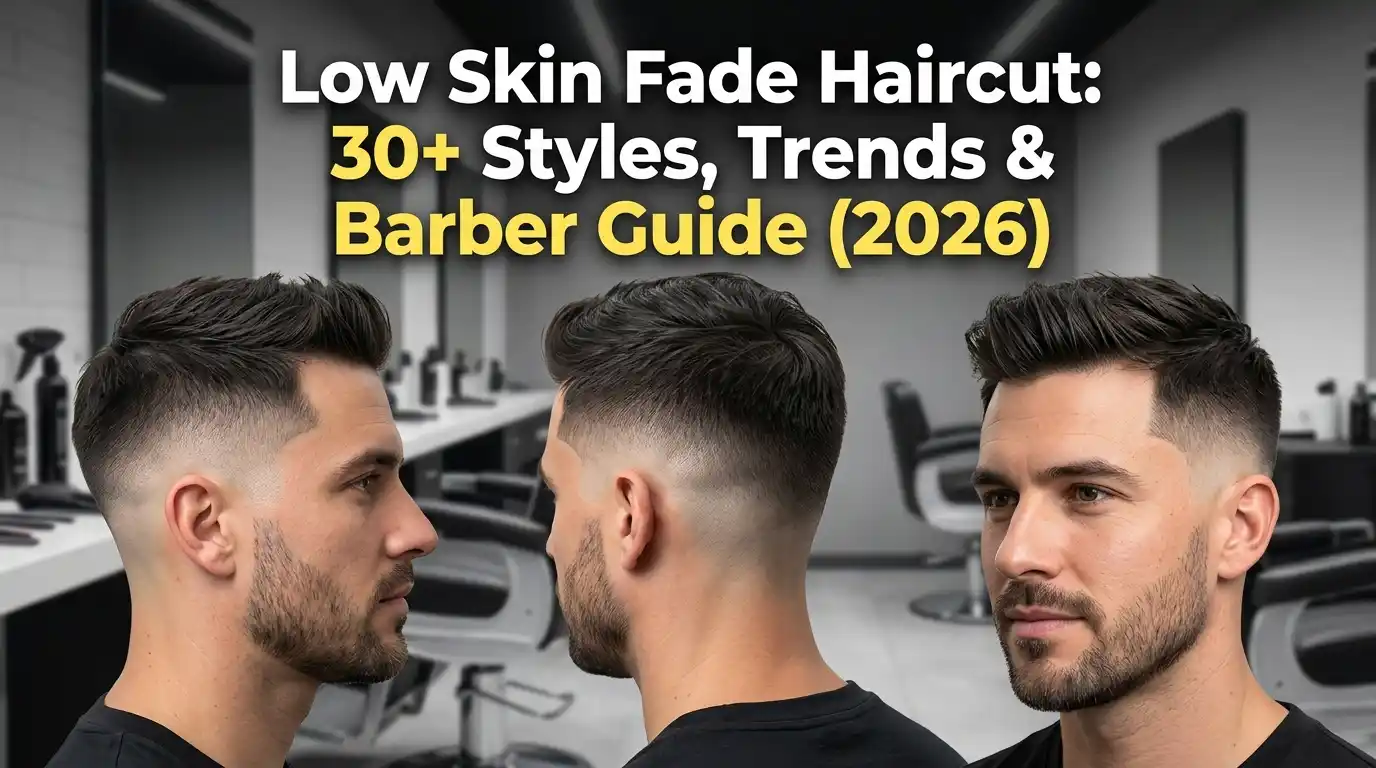
If you want a clean, modern, and versatile haircut, the low skin fade is one of the best choices in 2026. From professional styles to trendy textured looks, this haircut works for almost every hair type and face shape.
But here’s the truth—not every low skin fade haircut looks the same. Choosing the wrong variation can completely change your appearance. That’s why it’s important to understand which style suits you best.
In this guide, you’ll discover the best low skin fade styles, how to choose the right cut based on your face shape and hair type, and exactly what to tell your barber to get the perfect fade every time.
What Is a Low Skin Fade Haircut?
A low skin fade haircut is a style where the hair gradually blends from bare skin (0 or razor level) into longer hair, starting just above the ears and neckline. The fade stays low on the head, creating a clean, subtle transition that looks sharp without being too dramatic. The low skin fade begins right above the ear and curves around the neckline, keeping the look more natural and balanced compared to higher fades. Unlike other fades, it has a lower starting point, which makes it more subtle and professional, while the skin-level blend gives a cleaner finish than a regular low fade. It also has less contrast than mid or high fades, resulting in a softer appearance that works well for both casual and formal styles.
Read More:
25 Best Boys Fade Haircuts 2026
Why Low Skin Fade Is So Popular in 2026
The low skin fade has become one of the most popular men’s haircuts in 2026 because it delivers a clean, modern, and sharp appearance that fits almost every style. It creates a smooth transition from skin to longer hair, giving a fresh and well-groomed look that feels both timeless and trendy.
One of the biggest reasons for its popularity is that it works for all lifestyles and age groups. Whether you are a student, a working professional, or someone who prefers a casual style, the low skin fade haircut adapts easily without looking too extreme or too simple. This makes it a safe yet stylish choice for almost anyone.
Another major factor is the strong influence of social media and modern grooming trends. Platforms like Instagram, TikTok, and Pinterest have pushed the low skin fade hairstyle into the spotlight, with barbers and influencers constantly showcasing new variations. This visibility has made it one of the most requested and recognizable haircut styles today.
Low Skin Fade vs Low Fade vs Taper
Understanding the difference between a low skin fade, low fade, and taper fade is important because each style creates a completely different finish, even though they may look similar at first glance.
Key Differences
A low skin fade starts just above the ears and blends the hair down to bare skin (0 level), creating a sharp and clean contrast. It is the boldest option among the three and gives a very defined, modern look.
A low fade also starts low on the head, but instead of going all the way to skin, it blends gradually into very short hair. This makes it slightly softer and more natural compared to a skin fade.
A taper fade is the most subtle version. It only fades around the sideburns and neckline, keeping most of the hair length intact on the sides. This creates a clean but conservative finish.
Which One Should YOU Choose?
Choose a low skin fade if you want a bold, sharp, and modern look that stands out.
Choose a low fade if you prefer a balanced style that is clean but not too dramatic.
Choose a taper fade if you want a professional, low-maintenance haircut that looks natural and subtle.
Visual Explanation (UX Insight)
Think of it like this: the low skin fade is the most noticeable and contrast-heavy, the low fade sits in the middle with a smoother blend, and the taper fade is the most natural and minimal. The lower the skin exposure and contrast, the more subtle the overall look becomes.
30 Best Low Skin Fade Haircuts for Men
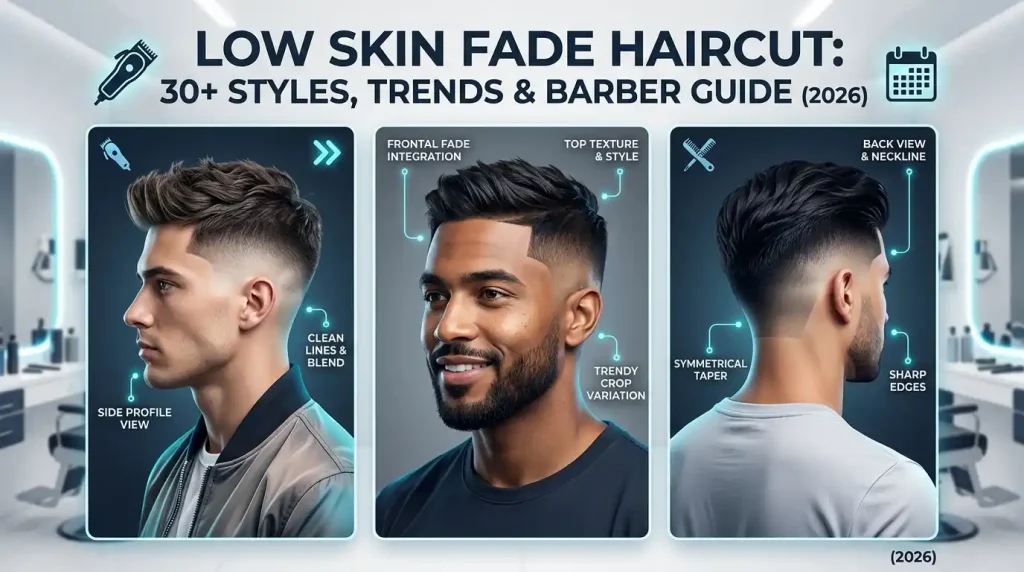
The low skin fade haircut is one of the most versatile men’s styles in 2026 because it can be combined with almost any top hairstyle. Whether you want a clean professional look, a modern textured style, or something bold and edgy, the low skin fade adapts easily and enhances your overall appearance. Below are the most popular trending variations you should consider.
Clean & Professional Styles
Low skin fade + side part
A classic professional look where the hair is neatly parted on one side with a smooth low skin fade on the sides. This style is ideal for office environments and formal settings because it looks sharp, structured, and clean.
Low skin fade + comb over
This style keeps the top hair slightly longer and combed neatly to one side. The low skin fade adds contrast while maintaining a refined and polished appearance, making it a top choice for professionals.
Textured & Modern Styles
Low skin fade + textured crop
A trendy modern haircut where the top is cut short and styled with texture for a messy, natural finish. The low skin fade enhances the contrast and gives a fresh, youthful look.
Low skin fade + fringe
This style features a forward-styled fringe with a soft, textured top. The fade keeps the sides clean while the fringe adds a fashionable, street-style vibe.
Bold & Edgy Styles
Low skin fade + pompadour
A high-volume style where the top is swept upward and back. The low skin fade creates strong contrast, making the pompadour look more dramatic and stylish.
Low skin fade + faux hawk
A bold haircut where the hair is styled upward in the center. The fade on the sides enhances the sharp, edgy appearance, perfect for standout looks.
Minimal & Low-Maintenance Styles
Low skin fade + buzz cut
A very short, clean style that requires almost no maintenance. The low skin fade adds structure and keeps the haircut looking sharp and modern instead of plain.
Low skin fade + short top
A simple and practical style with a short top and faded sides. It is ideal for those who want a clean, effortless, and easy-to-maintain haircut.
Best Low Skin Fade for Your Hair Type

The low skin fade haircut works well for almost every hair type, but the final look can change depending on your natural texture. Choosing the right variation helps you get a more balanced, stylish, and easy-to-maintain result.
Read More:
Best Low Skin Fade for Your Hair Type
Straight Hair
For straight hair, a low skin fade creates a clean and sharp contrast that highlights the smooth structure of the haircut. Styles like a side part, comb over, or textured crop work especially well because straight hair holds shape easily and looks neat with minimal effort.
Curly Hair
For curly hair, a low skin fade helps reduce bulk on the sides while keeping the natural curls on top as the main focus. This creates a controlled yet stylish look. A curly top with low skin fade gives a fresh, modern appearance without losing texture.
Wavy Hair
For wavy hair, the low skin fade enhances the natural flow and movement of the waves. It creates a soft but structured look that works great with styles like a messy fringe or textured top, giving a relaxed and trendy vibe.
Thick vs Thin Hair
For thick hair, the low skin fade removes excess bulk from the sides, making the haircut feel lighter, cleaner, and more manageable while keeping volume on top. For thin hair, it creates the illusion of density by adding contrast, making the top appear fuller and more defined when styled properly.
Best Low Skin Fade for Face Shape
Choosing the right low skin fade haircut depends heavily on your face shape, because the goal is to balance proportions and enhance your natural features. The right variation can make your face look more structured, sharper, or more defined.
Round Face
For a round face, the goal is to add height and reduce the appearance of width. A low skin fade with a textured top, pompadour, or quiff works best because it creates vertical volume and makes the face look longer and more balanced.
Oval Face
An oval face is the most versatile, meaning almost every low skin fade style suits it. You can go for a side part, comb over, crop, or even edgy styles like a faux hawk. This face shape allows flexibility without disrupting balance.
Square Face
A square face has strong jawlines and sharp angles, so a low skin fade with softer top styles like a textured crop or fringe works best. These styles help slightly soften the edges while still keeping a masculine, structured look.
Diamond Face
For a diamond face, the aim is to balance wide cheekbones with narrower forehead and jaw. A low skin fade with fringe or medium-length textured top works well because it adds width at the forehead and creates a more proportional appearance.
Low Skin Fade + Beard Combinations
Pairing a low skin fade haircut with a beard can completely transform your look by adding contrast, structure, and masculinity. The key is balancing the fade level with the beard length and shape so both elements blend smoothly together.
Stubble + Low Skin Fade
A stubble beard with a low skin fade creates a clean yet slightly rugged look. The short facial hair keeps things minimal while the fade adds sharpness to the sides. This combination is ideal for a natural, low-maintenance style that still looks well-groomed and modern.
Full Beard + Low Skin Fade
A full beard with a low skin fade creates strong contrast between the faded sides and dense facial hair. This style works best for men who want a bold, masculine appearance. The fade keeps the haircut clean while the beard adds weight and maturity to the overall look.
Sharp Beard Line + Low Skin Fade
A sharp beard line with a low skin fade delivers the most polished and structured result. The clean edges of the beard connect smoothly with the fade, creating a high-definition, barbershop-fresh finish. This combination is perfect for a professional yet stylish appearance.
How to Ask Your Barber for a Low Skin Fade
Getting the perfect low skin fade haircut depends not just on the style, but on how clearly you communicate with your barber. Many bad haircuts happen because of unclear instructions, so being specific is the key.
What to Say Exactly
When you sit in the chair, clearly say:
“I want a low skin fade, starting just above the ears and blending down to the skin, keeping the top styled (short/medium/long depending on your choice).”
If you want a specific look, always mention it, such as a textured crop, comb over, or side part.
Guard Numbers (#0, #1, etc.)
Understanding clipper guards helps avoid confusion:
- #0 or skin level = fades down to bare skin
- #0.5 to #1 = very short fade transition
- #2 and above = longer, softer fade
For a low skin fade, barbers usually start at skin level near the neckline and gradually blend upward.
How to Show Reference Images
One of the most effective methods is showing 2–3 clear reference photos from different angles (front and side). Make sure the images match what you want exactly, including:
- Hair length on top
- Fade height (low)
- Beard or no beard
This removes guesswork and ensures the barber understands your exact expectation.
Common Communication Mistakes
Many people make simple mistakes that ruin the haircut, such as:
- Saying only “fade” without specifying low, mid, or high
- Not mentioning top length or style
- Relying on memory instead of showing images
- Ignoring beard connection or neckline preference
Being clear, visual, and specific ensures you get the exact low skin fade haircut you want every time.
Barber Secrets: What Most People Don’t Know
A great low skin fade haircut is not just about the style you choose—it’s about the small technical details your barber uses. Most people only focus on “fade type,” but professionals know the real difference comes from execution.
Fade Placement Changes Your Look
The exact starting point of the fade can completely change your appearance. Even a small shift higher or lower can make your face look longer, wider, or more balanced. A properly placed low skin fade enhances your natural face shape, while a poorly placed one can distort proportions and make the haircut look off.
Blending Quality Matters More Than Length
Many people think haircut quality depends on how short the sides are, but in reality, it’s the smoothness of the blend that matters most. A clean skin fade transition from skin to longer hair creates a seamless, professional finish. If the blending is uneven or rushed, even the best style will look unfinished.
Why Cheap Fades Look Bad
Lower-priced or rushed haircuts often fail because barbers skip proper detailing and blending steps. This leads to visible lines, uneven gradients, and harsh transitions. A good low skin fade requires precision, time, and control of clipper work. That’s why experienced barbers focus on gradual blending instead of quick cuts.
Styling Your Low Skin Fade (Products + Techniques)
A low skin fade haircut looks best when it is properly styled, because the fade creates a clean base while the top determines the final overall appearance. Choosing the right styling product and technique can completely change your look from casual to professional or modern and textured.
Pomade vs Wax vs Clay
Each product gives a different finish depending on your desired style.
Pomade is best for a smooth, polished look like a comb over or side part because it adds shine and strong hold.
Wax provides a flexible hold with a natural finish, making it ideal for slightly messy or controlled styles.
Clay is perfect for a textured, matte look with volume, especially for modern styles like a textured crop or fringe.
Matte vs Shiny Finish
A matte finish gives a natural, low-shine appearance that works well for modern and casual hairstyles, especially with textured tops. A shiny finish creates a more classic and clean look, often used for formal styles like comb overs or slick backs. The choice depends on whether you want a relaxed or professional appearance.
Volume Tips for Top Hair
To add volume to the top, start by applying product to slightly damp hair and use a blow dryer while lifting the hair upward or backward. This helps create natural lift and shape. For extra volume, focus on the roots and avoid using too much heavy product, as it can weigh the hair down and reduce height.
Maintenance, Growth & Longevity Guide
A low skin fade haircut looks sharp right after the cut, but its appearance changes as the hair grows out. Understanding how long it lasts and how it develops over time helps you keep it looking clean and intentional instead of overgrown.
How Long It Lasts (1–3 Weeks)
On average, a low skin fade stays fresh for about 1 to 3 weeks, depending on how fast your hair grows. The fade is most defined in the first week, where the skin-to-hair transition looks sharp and clean. After that, the contrast starts to soften as the hair grows back.
Growth Stages (Week 1 vs Week 3)
In Week 1, the fade is at its peak—edges are crisp, the blend is clean, and the overall look is very structured. By Week 2, the sides begin to grow out slightly, making the fade look less sharp but still presentable. By Week 3, the haircut starts losing definition, and the skin fade effect becomes less noticeable, giving a more natural and fuller look on the sides.
How Often to Visit Barber
To maintain a consistently fresh low skin fade, most people should visit the barber every 2 to 3 weeks. If you prefer a very sharp and clean appearance, a 2-week schedule is ideal. If you like a slightly more relaxed and natural grow-out, you can extend it to 3–4 weeks. Regular touch-ups help keep the fade tight and well-defined.
Common Low Skin Fade Mistakes to Avoid
Even though the low skin fade haircut is one of the most popular and versatile styles, small mistakes can completely ruin the final look. Most issues come from poor communication, wrong choices, or bad maintenance habits.
Choosing the Wrong Fade Height
One of the most common mistakes is not clearly defining the fade height. A true low skin fade should start just above the ears, but many people accidentally end up with a mid or high fade. This changes the entire balance of the haircut and can make it look too aggressive or mismatched with the top style.
Ignoring Face Shape
Another major mistake is not considering your face shape. A fade that looks great on one person may not suit another. For example, very tight fades can make a round face look even wider, while the wrong top length can exaggerate sharp angles in square faces. Matching the low skin fade style with your face shape is essential for a balanced and flattering result.
Poor Styling Habits
Even a perfect haircut can look bad without proper styling. Using too much product, choosing the wrong finish (matte vs shiny), or not styling the top at all can make the haircut look flat or messy. A low skin fade needs light, controlled styling to highlight the clean fade and keep the overall look sharp and intentional.
Who Should (and Shouldn’t) Get a Low Skin Fade
The low skin fade haircut is highly versatile, but it doesn’t suit everyone equally. Choosing it should depend on your lifestyle, maintenance preference, and how bold you want your haircut to look.
Best for: Professionals & Students
The low skin fade is perfect for professionals and students because it offers a clean, sharp, and modern appearance without being too extreme. It works well in school, office, and formal environments while still allowing room for stylish variations on top. If you want a haircut that looks well-groomed, trendy, and socially acceptable in any setting, this is a strong choice.
Not Ideal for: Very Low-Maintenance Users
This haircut may not be the best option for people who prefer very low-maintenance grooming. Since the skin fade grows out quickly, it requires regular touch-ups every 2–3 weeks to stay sharp. If you don’t want frequent barber visits or daily styling, the fade can lose its clean look fairly fast and may not stay as polished as intended.
Low Skin Fade vs Other Popular Haircuts
Understanding the difference between a low skin fade, mid fade, high fade, and taper fade helps you choose a style that matches your personality, face shape, and maintenance level. Each haircut varies mainly in where the fade starts and how bold the contrast looks.
Low Skin Fade
A low skin fade starts just above the ears and blends down to the skin, creating a clean but subtle transition. It is the most balanced option, offering a professional yet modern look that works well in almost any setting.
Mid Fade
A mid fade starts higher on the sides, around the temple area, making it more noticeable than a low fade. It creates a stronger contrast and sharper look, ideal for those who want a more defined and stylish appearance.
High Fade
A high fade begins much higher on the head, creating a bold and dramatic look with maximum contrast. It is the most eye-catching and edgy option, often chosen for modern, fashion-forward hairstyles.
Taper Fade
A taper fade is the most subtle variation, only fading around the sideburns and neckline. It keeps most of the hair length intact and offers a clean, natural, and conservative finish, making it ideal for low-maintenance or professional environments.
Before You Get a Low Skin Fade
Before choosing a low skin fade haircut, it’s important to quickly check a few key factors. These details help ensure the haircut actually suits you and stays easy to maintain instead of becoming difficult to manage or unbalanced.
Face Shape
Your face shape plays a big role in how the fade looks. A low skin fade can enhance balance and structure, but only if it matches your natural proportions. For example, it can add definition to softer faces and complement sharper jawlines when paired with the right top style.
Hair Type
Your hair type affects how the haircut behaves after styling. Straight hair gives a cleaner, sharper finish, while curly or wavy hair adds texture and volume. Thick hair may need more blending, while thin hair benefits from added contrast through the fade.
Maintenance Level
A low skin fade requires regular upkeep to stay sharp. If you prefer a fresh, clean look, you’ll need barber visits every 2–3 weeks. If you want something low-maintenance, you should consider whether you’re comfortable with frequent touch-ups.
Barber Skill
Not every barber delivers the same quality. A good low skin fade depends on precise blending and smooth transitions. Choosing an experienced barber ensures the fade is even, clean, and properly structured instead of patchy or rushed.
FAQs
How long does a low skin fade last?
A low skin fade haircut usually lasts around 1 to 3 weeks, depending on how fast your hair grows. It looks sharpest in the first week, then gradually becomes softer as the fade grows out.
Is a low skin fade good for thin hair?
Yes, a low skin fade is great for thin hair because it creates contrast on the sides, making the top appear thicker and fuller when styled properly. Adding texture on top can further improve volume.
Is a low skin fade professional?
Yes, the low skin fade is considered very professional, especially when paired with styles like a side part or comb over. Its clean and subtle transition makes it suitable for offices, schools, and formal environments.
Can I do a low skin fade at home?
It is possible, but not recommended unless you have experience. A proper low skin fade requires precise blending and clipper control, which is difficult to achieve at home. Visiting a skilled barber ensures a cleaner and more balanced result.