Turning 60 doesn’t mean your hairstyle options shrink — if anything, 2026’s trends lean toward more texture, softer shapes, and styles that genuinely work with the hair you have rather than fighting it. The real question isn’t which cut is “age-appropriate,” it’s which one flatters your face, suits your hair’s current density and texture, and fits the amount of time you actually want to spend on it each morning. This guide walks through real options by length, texture, and face shape, along with honest guidance on maintenance.
Quick Answer
The most flattering hairstyles for women over 60 tend to add softness and volume near the crown and face — think layered bobs, bixies, soft shags, and pixies with curtain or wispy bangs. These shapes counter the natural flattening that can come with finer or thinning hair, work well with gray or silver color, and generally require less daily styling than one-length, heavier cuts.
TL;DR
- Most requested 2026 cuts: layered bob, bixie, medium shag, soft face-framing lob
- For thinning/fine hair: shorter layers and a blunt outer edge create visible density
- For gray/silver hair: soft layers and movement keep the color looking intentional, not flat
- Bangs: curtain, wispy, or side-swept bangs tend to soften more than heavy blunt fringes
- Trim frequency: every 4–6 weeks for short cuts, 6–8 for medium, 8–10 for longer styles
- Main takeaway: volume placement and layering matter more than length itself
What Makes a Hairstyle Work Well After 60?
Hair often naturally becomes finer or thinner with age, and it can sit flatter against the head than it used to. Cuts that add volume and movement — through layering, a shorter length, or textured styling — tend to counter that flatness, while very heavy, one-length, blunt styles can sometimes emphasize it. This is a cosmetic and styling consideration, not a medical one; if hair thinning is a concern beyond styling, a dermatologist is the right resource.
Popular Hairstyle Categories for Women Over 60
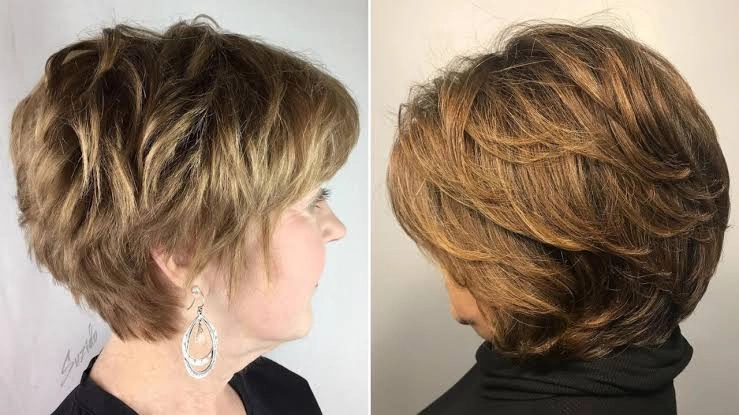
- Layered bob — chin-to-jaw length with movement throughout
- Bixie — a pixie-bob hybrid sitting just below the ears
- Medium shag — heavily layered with volume through the crown
- Soft lob — a longer bob with curtain bangs and face-framing pieces
- Layered pixie — short, textured, low daily effort
Short Hairstyles for Women Over 60
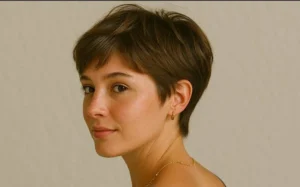
A layered pixie with some length left at the crown tends to lift the face and requires very little daily styling. A bixie offers a similar low-effort routine with slightly more length to tuck behind the ears, which some find easier to adjust into if they’re used to longer hair.
Medium-Length Hairstyles for Women Over 60
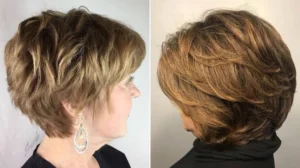
A layered, shoulder-length cut with soft waves or a slight bend is one of the most requested lengths, offering versatility and fullness without heavy daily styling. A medium shag builds volume through the crown and adds movement through the mid-lengths, which can look intentional even on day two or three without a fresh style.
Longer Hairstyles for Women Over 60
Longer hair is entirely workable after 60, but it generally benefits from soft layers, a side part, or gentle waves rather than a single blunt length, since heavier, unlayered hair can pull down and flatten with its own weight, especially as hair gets finer.
Hairstyles for Fine or Thinning Hair
Shorter internal layers combined with a blunt outer edge create the appearance of visible density, since the eye reads the solid outline as fuller hair. One-length styles past the shoulders tend to look thinnest on fine hair, since there’s little to interrupt the flatness.
Hairstyles for Thick or Medium-Density Hair
Thicker hair has more flexibility — it can support a soft shag, a fuller bob, or gentle layering without looking sparse. The main consideration is usually weight removal so the style doesn’t feel heavy or hard to manage day to day.
Styling Gray and Silver Hair
Soft layering and movement tend to keep gray and silver hair looking deliberate and polished rather than flat or dull, since texture catches light differently than a single blunt shape. Many stylists also recommend regular trims to keep ends fresh, since gray hair can show split or dry ends more visibly.
Hairstyles for Women Over 60 Who Wear Glasses
A hairstyle that frames the face without crowding it tends to work best with glasses — soft layers, a short bob, a layered pixie, or a shoulder-length cut with side-swept bangs are commonly recommended, since they balance the glasses rather than competing with the frame line.
Bangs and Fringe After 60: Do They Work?
Curtain bangs, wispy bangs, and side-swept bangs are generally considered flattering because they soften forehead lines and frame the eyes without a hard edge. A heavy, blunt fringe can feel more severe and is generally used more sparingly in this age range, though it’s ultimately a personal preference rather than a rule.
Hairstyles by Face Shape
| Face Shape | Often Works Well | Why |
|---|---|---|
| Oval | Most cuts, including bobs and bixies | Balanced proportions suit a wide range of shapes |
| Round | Layered bob, side-swept fringe | Adds height and angles to lengthen the look |
| Square | Soft layers, rounded bob edges | Softens a defined jawline |
| Heart | Chin-length bob, curtain bangs | Balances a narrower chin with added width near the jaw |
Hairstyles for Round or Oval Faces
Oval faces are generally considered versatile enough to wear most of these cuts without much adjustment. Round faces often benefit from a bit of length and softly angled layers, which can create a subtle lengthening effect compared to a very rounded, one-length bob.
Hairstyles for Square or Heart-Shaped Faces
Square faces tend to pair well with soft, rounded layers that ease a strong jawline, while heart-shaped faces often benefit from a chin-length bob or curtain bangs that add visual width near the jaw to balance a narrower chin.
Low-Maintenance Style Options
If daily styling time is the priority, look toward:
- A layered pixie that air-dries into shape
- A bixie that needs minimal blow-drying
- A shag that’s designed to look intentionally textured, even undone
How to Ask a Stylist for These Cuts
Bring a reference photo and be ready to describe:
- Length — where you want the shortest and longest points
- Volume placement — crown lift, face-framing pieces, or both
- Bangs — curtain, wispy, side-swept, or none
- Color pairing — whether you’re keeping or transitioning to gray/silver, since color and cut are often planned together
- Styling time — how much time you realistically want to spend each morning
Daily Styling Tips
Shorter, layered cuts often work well with just finger-styling and a light product. Medium and longer lengths with soft waves can be air-dried with a leave-in cream, or diffused briefly for extra lift at the roots — useful for keeping a shape looking fresh without a full styling routine every day.
How Often to Trim
General guidance is roughly every 4 to 6 weeks for short cuts, 6 to 8 weeks for medium lengths, and 8 to 10 weeks for longer styles — since fresh ends and a clean shape are what keep any of these cuts looking intentional rather than overgrown.
Common Mistakes to Avoid
- Choosing a very heavy, one-length cut on fine or thinning hair
- Going with a severe center part or ultra-straight style with no texture
- Picking a heavy blunt fringe without considering how it interacts with glasses or forehead lines
- Skipping regular trims, which lets gray or silver hair show dry or split ends more visibly
Who Might Want a Bolder Change?
If you’re ready for a lower-maintenance routine or want a style that visually lifts and adds movement, a bixie, layered pixie, or shag are worth considering as a genuine change from a longer, single-length style.
Who Might Prefer to Keep Length?
If you enjoy styling versatility (updos, various parts) or simply prefer your current length, keeping longer hair is entirely reasonable — the main adjustment worth considering is adding soft layers or waves rather than keeping it one heavy length.
Frequently Asked Questions
What is the most flattering haircut for a woman over 60?
There’s no single “most flattering” cut — layered bobs, bixies, and soft shags are frequently recommended because they add volume and movement, but the right choice depends on your face shape, hair density, and styling preference.
Do short hairstyles make older women look younger?
Shorter, layered cuts can create a lifted, more voluminous look that some find youthful, but this is a style preference, not a rule — longer hair with soft layers can look equally fresh.
What hairstyle hides thinning hair best?
A blunt outer edge with shorter internal layers tends to create the appearance of density, since the solid outline reads as fuller than a single flat length.
How often should you trim hair after 60?
Roughly every 4–6 weeks for short cuts, 6–8 weeks for medium lengths, and 8–10 weeks for longer styles, to keep the shape and ends looking fresh.
Are bangs a good idea for women over 60?
Often, yes — curtain, wispy, and side-swept bangs tend to soften the face gently. Heavy, blunt fringes are used more sparingly since they can feel more severe, but it’s ultimately personal preference.
Test Your Understanding
1. Why do layered cuts often work well for finer or thinning hair?
A. They make hair grow faster
B. They add the appearance of volume and movement instead of lying flat
C. They eliminate the need for trims
D. They only work on thick hair
2. What generally helps gray or silver hair look intentional rather than flat?
A. Avoiding all layering
B. Soft layering and movement that catch light differently than a blunt shape
C. Growing hair as long as possible with no cut
D. Avoiding regular trims
3. What styling approach is commonly recommended for women over 60 who wear glasses?
A. A hairstyle that crowds the frame line
B. A cut that frames the face without crowding it, like soft layers or a short bob
C. Always choosing very long, heavy hair
D. Avoiding bangs entirely in all cases
4. Roughly how often should medium-length hair be trimmed to stay fresh?
A. Every 2 weeks
B. Every 6 to 8 weeks
C. Once a year
D. Only when it reaches the waist
5. What generally creates the appearance of density on fine or thinning hair?
A. A single blunt length with no layers
B. Shorter internal layers with a blunt outer edge
C. Extremely long, unlayered hair
D. Avoiding trims to let hair grow out
Answer Key & Explanations
- B — Layering adds movement and volume, countering the natural flatness that can come with finer hair.
- B — Movement and soft layering catch light differently than a single blunt shape, helping gray and silver hair look deliberate rather than dull.
- B — A cut that frames the face without crowding the glasses’ frame line is generally recommended for balance.
- B — Medium-length hair is generally recommended for a trim every 6–8 weeks to stay looking fresh.
- B — Shorter internal layers paired with a blunt outer edge create a visually solid, fuller-looking outline.
Conclusion
The most flattering hairstyle after 60 isn’t about following a strict rule — it’s about choosing volume placement, layering, and length that work with your hair’s current texture and density. A layered bob, bixie, or soft shag covers most of what tends to work well, but the details (bang style, crown volume, trim schedule) are what make any of these cuts look genuinely intentional rather than just “age-appropriate.”
Related Haircut & Hairstyle Guides
5 Best Hair Styles for Women in 2026
Hair Styles for Women That Look Fresh in 2026
Pixie Haircuts: The Complete Guide to the Pixie Cut