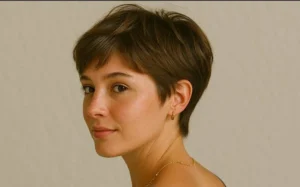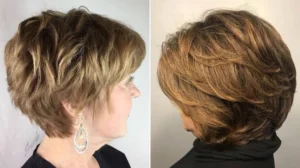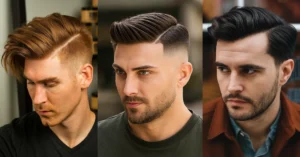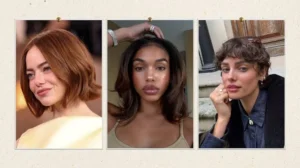
Pixie haircuts have never really gone away, but 2026 has brought a noticeably softer, more textured take on the classic short cut. Instead of one rigid shape, today’s pixie leans into natural texture, longer face-framing pieces, and an elongated crown that gives it a fresh, less severe look than the pixies of decades past. If you’re weighing whether a pixie haircut is right for you, this guide covers exactly what the cut is, how it differs from close relatives like the bixie, and what to actually expect in terms of styling and upkeep.
Quick Answer
A pixie haircut is a short women’s haircut with closely cropped sides and nape paired with a slightly longer, textured crown and top. It’s often praised for its low daily styling effort and its ability to draw attention to the eyes and cheekbones, and it can be adapted for straight, wavy, curly, or thin hair by adjusting crown length and layering.
TL;DR
- Definition: Short cut with cropped sides/nape and a longer, textured crown
- Signature feature: Elongated crown that creates lift and a lengthening effect
- Close relatives: Bixie (pixie-bob hybrid), long pixie, shaggy pixie
- Best for: Fine or thin hair (adds root volume), curly hair (with extra crown length), most face shapes with the right taper
- Maintenance: Trim every 4–6 weeks to keep the shape clean
- Styling: Often described as a low-effort, wash-and-go cut once properly shaped
What Is a Pixie Haircut?
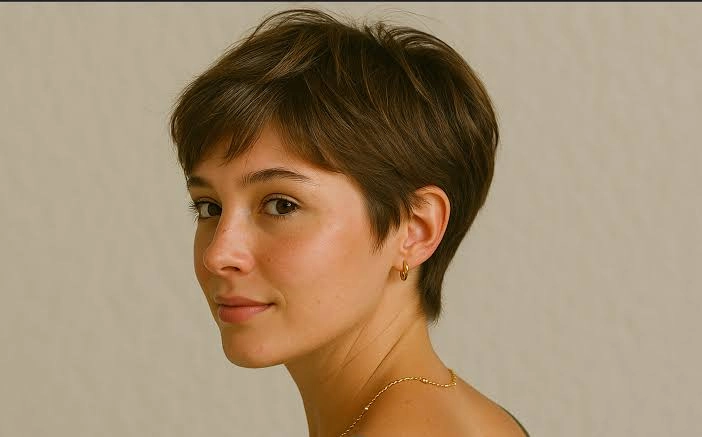
A pixie haircut is a short women’s haircut characterized by cropped sides and nape combined with a longer, more textured top and crown. The defining feature is that elongated crown area, which creates lift and draws the eye upward and toward the face. Modern pixies lean heavily on natural texture rather than a rigid, uniform shape, which is part of why the cut has felt fresh again in 2026.
What a Pixie Haircut Looks Like (Front, Side, Back)
- Front: Shorter, close-cropped sides with a textured, sometimes fringed top
- Side: A visible taper from the longer crown down to the shorter temple and sideburn area
- Back: A closely cropped or tapered nape, often the shortest point of the cut, which exposes the neck
Key Characteristics of a Pixie Cut
- Short, cropped sides and back
- Longer, textured top and crown
- Exposed nape and neckline
- Frequently paired with a soft fringe or face-framing pieces
- Built around texture rather than a single blunt line
Pixie Cut Variations
The core pixie shape branches into several distinct variations:
- Classic pixie — even, closely cropped sides with a moderate crown length
- Textured/shaggy pixie — choppier layers and a piecey, lived-in finish
- Undercut pixie — shaved or very short sides/back with noticeably longer top
- Curly pixie — shaped to work with natural curl pattern, with extra length left on top
- Asymmetrical pixie — uneven length between sides, often with a longer sweep on one side
Pixie vs. Bixie: What’s the Difference?
A classic pixie is cropped short all over, with the main length concentrated at the crown. A bixie is a hybrid between a bob and a pixie — it keeps the textured, lived-in feel of a pixie but sits lower, usually just below the ears, with more overall length and movement. If you like the idea of a pixie but aren’t ready to go extremely short, a bixie is often the middle-ground option.
Pixie vs. Long Pixie: What’s the Difference?
A long pixie keeps the pixie’s short back and nape but leaves noticeably more length through the crown, sides, or fringe — enough to tuck behind the ears or style in more than one direction. It offers more styling flexibility than a classic pixie while still reading as short hair overall. If you’re specifically interested in that longer variation, our dedicated guide covers it in depth (linked below).
Best Hair Types for a Pixie Cut
Pixie cuts can work across most hair types, but the technique changes:
- Straight hair holds a clean, defined pixie shape well and shows the taper clearly
- Wavy hair adds natural texture that softens the cut without much styling effort
- Fine or thin hair often benefits most, since the shorter length and crown lift create the appearance of more density
- Thick hair usually needs weight removed through layering so the crown doesn’t look bulky
Pixie Cuts for Curly and Coily Hair
Curl pattern shrinks hair upward as it dries, so a pixie for curly or coily hair is usually cut with extra length built in, especially at the crown, to account for that shrinkage. Many stylists shape curly pixies while the hair is dry, since wet curls stretch and don’t show the true finished silhouette.
Pixie Cuts for Thin or Fine Hair
Fine hair often looks fuller in a pixie because there’s less length for the hair’s own weight to pull it flat. A shorter crown with light layering (rather than heavy, thinning layers) tends to preserve the appearance of volume better on fine hair.
Pixie Haircuts by Face Shape
| Face Shape | Often Works Well | Why |
|---|---|---|
| Oval | Most pixie variations | Balanced proportions suit a wide range of crown lengths |
| Round | Textured pixie with volume at the crown | Added height creates a visual lengthening effect |
| Square | Softer, longer crown with face-framing pieces | Softens strong jaw angles |
| Heart | Side-swept fringe, slightly longer sides | Balances a narrower chin |
| Long/oblong | Pixie with fuller sides, less height at crown | Avoids over-elongating an already longer face |
Pixie Cuts for Round Faces
Round faces tend to benefit from a textured pixie that keeps volume concentrated at the crown rather than the sides, since that added height creates a lengthening effect. A very flat, close-cropped pixie without crown volume can sometimes emphasize a round face’s width instead of balancing it.
Pixie Cuts for Oval and Longer Faces
Oval faces are generally considered versatile enough to wear most pixie variations without much adjustment. On longer or oblong face shapes, a stylist may keep more fullness at the sides and slightly less height at the crown, to avoid exaggerating length.
How to Ask a Barber or Stylist for a Pixie Cut
Bring a reference photo and be ready to describe:
- Crown length — how much length you want left on top
- Nape and sides — very short/shaved, or a soft taper
- Fringe — whether you want one, and how heavy
- Texture — choppy and piecey, or smoother and more classic
- Growing-out plan — whether you eventually want to transition to a longer pixie or bixie
Because the same “pixie” name can look very different depending on hair type and density, describing your natural texture (not just showing a photo) helps your stylist adapt the shape to your hair specifically.
Styling a Pixie Cut
A well-cut pixie is often described as a low-effort, near “wash and air-dry” style once the shape is properly built in. Some texture paste or light pomade worked through damp or dry hair is typically enough to define the crown and any fringe pieces. More structured looks (like a sleek, side-parted pixie) may need a quick blow-dry with a small round brush.
Maintenance and Trim Frequency
Because the sides and nape grow out visibly fast, most pixie cuts need a trim roughly every 4 to 6 weeks to keep the shape clean. Skipping trims tends to blur the taper first, even before the crown length feels noticeably longer.
Growing Out a Pixie Cut
Growing out a pixie is usually smoothest with a plan rather than letting it grow untouched. Many people transition through a longer pixie or bixie stage, using regular trims to manage the sides and back while the crown and top gain length. Face-framing layers can help bridge the in-between stage so it doesn’t look shapeless.
Common Mistakes When Getting a Pixie Cut
- Assuming a “pixie” looks the same on every hair type and density
- Skipping trims and letting the taper grow out unevenly
- Not discussing crown volume, especially for round or fuller faces
- Choosing an extremely short version without a growing-out plan in mind
Who Should Consider a Pixie Cut?
A pixie cut can suit people who want a genuinely low-maintenance daily routine, like the idea of showing off the neck and jawline, or have fine hair that struggles to hold volume when it’s longer.
Who May Prefer an Alternative?
If you want more styling versatility (updos, varied parts, ponytails) or prefer fewer trims between salon visits, a longer style — including a long pixie or bixie — may suit your lifestyle better.
Frequently Asked Questions
What exactly is a pixie haircut?
A short women’s haircut with cropped sides and nape and a longer, textured crown and top, known for a low-maintenance daily routine and a face-lengthening effect.
Does a pixie cut suit round faces?
It often can, particularly when the stylist keeps volume concentrated at the crown rather than the sides, which creates a lengthening effect. It’s guidance, not a guarantee — a lot depends on execution.
What’s the difference between a pixie and a bixie?
A pixie is cropped short all over with length concentrated at the crown. A bixie is a pixie-bob hybrid that sits lower, usually just below the ears, with more overall length and movement.
Is a pixie cut good for thin hair?
Yes, it’s frequently recommended for fine or thin hair because the shorter length reduces the weight pulling hair flat, which can make it look fuller.
How often does a pixie cut need a trim?
Roughly every 4 to 6 weeks, since the shorter sides and nape grow out and lose their defined taper faster than longer styles.
Test Your Understanding
1. What is the defining structural feature of a classic pixie haircut?
A. A single blunt length all over
B. Cropped sides and nape with a longer, textured crown
C. Shoulder-length layers
D. A center-parted long fringe only
2. How does a bixie differ from a classic pixie?
A. It’s always curly
B. It sits lower, usually just below the ears, blending bob and pixie characteristics
C. It has no crown volume
D. It’s only for very thick hair
3. Why is extra crown length often built into a curly pixie cut?
A. Curly hair grows slower
B. To account for upward shrinkage as curls dry
C. Curly hair doesn’t hold a pixie shape
D. It has no relation to curl pattern
4. Roughly how often does a pixie cut typically need a trim?
A. Every 6 months
B. Every 4 to 6 weeks
C. Once a year
D. Only when the crown reaches the shoulders
5. What is generally true about pixie cuts and face shape?
A. Only round faces can wear a pixie
B. Crown volume and taper placement matter more than a strict face-shape rule
C. Face shape has no effect on how a pixie looks
D. Oval faces cannot wear a pixie
Answer Key & Explanations
- B — The classic pixie is defined by cropped sides/nape paired with a longer, textured crown, not a uniform length.
- B — A bixie blends bob and pixie characteristics and sits lower than a classic pixie, usually just below the ears.
- B — Curl pattern causes hair to shrink upward as it dries, so extra length is built in to reach the intended finished look.
- B — Most pixie cuts need a trim every 4–6 weeks since the short sides and nape grow out and blur the taper relatively fast.
- B — Face shape is useful guidance, but how a stylist places crown volume and taper does more of the flattering work than the shape category alone.
Conclusion
A pixie haircut works best when it’s shaped around your actual hair type and density, not just a photo of someone else’s cut. The crown length and taper placement do most of the work in flattering your face, which is why the same “pixie” name can look completely different from one person to the next. If you’re unsure how short to go, a bixie or long pixie can be a natural stepping stone before committing to the closest-cropped version.
Related Haircut & Hairstyle Guides
35 Best Long Pixie Haircuts for Every Hair Type in 2026
5 Best Hair Styles for Women in 2026
Hair Styles for Women That Look Fresh in 2026
Curly Dry Haircut: The Complete Guide to Shape, Bounce, and Better Curls
Layered Haircuts vs Non-Layered: Which Cut Is Right for You?