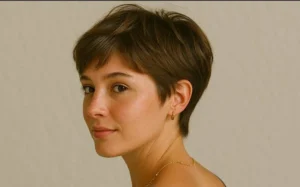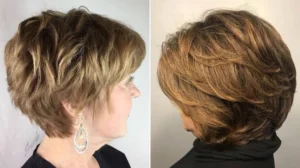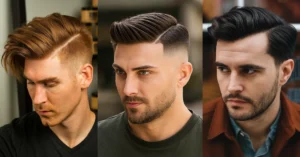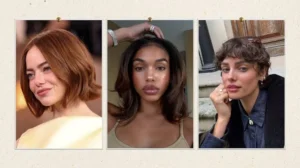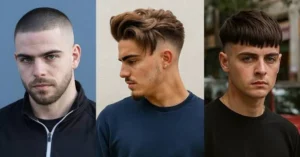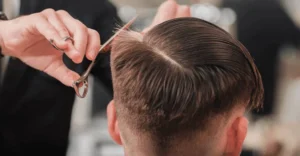
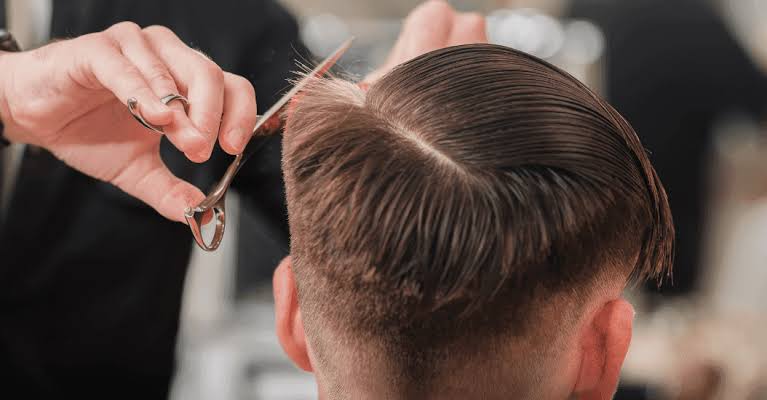
The best 12-year-old boy haircuts balance personality, comfort, and everyday practicality. A good cut should work at school, during sports, and on rushed mornings.
This guide covers 40 genuinely different haircut ideas for short, medium, long, straight, wavy, curly, and coily hair. You’ll also find styling times, maintenance guidance, face-shape tips, clipper guard explanations, and barber-ready request scripts.
Quick Answer: What Is the Best Haircut for a 12-Year-Old Boy?
The best all-around choices are a textured crop, low taper, crew cut, curly taper, side-swept fringe, or layered scissor cut. Each can be adjusted for different hair textures and school requirements.
Before choosing, consider three things:
• What does his hair naturally do?
• How much morning styling will he accept?
• How often can he return for a trim?
Best Haircuts at a Glance

| Haircut | Best Hair Type | Styling Time | Typical Trim Schedule |
|---|---|---|---|
| Textured crop | Straight or wavy | 2–3 minutes | 4–6 weeks |
| Modern crew cut | Most textures | Under 1 minute | 4–6 weeks |
| Low taper | Most textures | 1–4 minutes | 5–7 weeks |
| Curly taper | Curly or coily | 3–5 minutes | 5–8 weeks |
| Surfer curtains | Wavy or straight | 3–6 minutes | 8–10 weeks |
| Layered scissor cut | Thick or wavy | 2–5 minutes | 6–10 weeks |
| Short Caesar | Straight or fine | Under 2 minutes | 4–6 weeks |
| Brushed-back flow | Wavy or thick | 4–7 minutes | 8–12 weeks |
| Soft mini mullet | Straight, wavy, or curly | 3–6 minutes | 6–8 weeks |
| Rounded Afro | Coily hair | 3–8 minutes | 6–10 weeks |
Trim schedules are estimates. Hair growth, fade height, texture, and preferred neatness can change the timing.
How to Choose the Right Haircut
A reference photo is useful, but it shouldn’t make the full decision. The model may have different density, texture, cowlicks, or styling habits.
Use the Texture–Time–Trim Test before visiting the barber.
Texture
Choose a shape that works with the hair’s natural pattern.
• Straight hair benefits from texture, layering, or a clear direction.
• Wavy hair usually needs enough length to show its movement.
• Curly hair should be cut with shrinkage in mind.
• Coily hair needs balanced shaping rather than unnecessary bulk removal.
• Fine hair often appears fuller with a compact outline.
• Thick hair may need internal weight removal and controlled layering.
Time
Be realistic about the morning routine.
• Under one minute: crew cut, buzz cut, short Caesar
• Two to four minutes: crop, taper, fringe, curly top
• Five minutes or more: curtains, quiff, flow, longer layers
Trim
Short sides usually require more frequent appointments.
• Skin and high fades lose their sharp shape quickly.
• Low tapers generally grow out more softly.
• Medium scissor cuts can last longer between appointments.
• Longer layered cuts need fewer shape corrections but more home care.
Short Haircuts for 12-Year-Old Boys
Short cuts are practical for school, sports, summer, and busy mornings. Keeping some texture prevents the haircut from feeling flat or overly severe.
1. Textured Crop
A textured crop has short sides and choppy layers across the top. The fringe may sit forward, slightly sideways, or broken into uneven pieces.
It works best on straight, wavy, or slightly curly hair. Thick hair may need internal weight removal, while fine hair needs only light surface texture.
Ask the barber: “Leave two to three inches on top, point-cut the texture, and keep the sides softly tapered.”
Styling difficulty: Easy
Maintenance: Every 4–6 weeks
2. Modern Crew Cut
The modern crew cut is shorter near the crown and gradually longer toward the front. Unlike a uniform buzz cut, it follows the shape of the head.
This cut suits most hair textures and requires almost no morning styling. It is especially useful for active boys who dislike hair touching their forehead.
Ask the barber: “Give me a graduated crew cut with a little extra length at the front and a natural neckline.”
Styling difficulty: Very easy
Maintenance: Every 4–6 weeks
3. Short Caesar Cut
A Caesar cut has a compact top and a short fringe brushed forward. The front edge can be softly broken instead of cut into a hard line.
It works well for straight hair, fine hair, and some front cowlicks. It may not suit a strong upward growth pattern at the hairline.
Ask the barber: “Keep the top short and connected, with a soft forward fringe and no heavy bowl shape.”
Styling difficulty: Very easy
Maintenance: Every 4–6 weeks
4. Soft Buzz Cut
A soft buzz cut keeps the hair short and even without creating an extremely sharp or military finish. Slightly longer clipper guards make it more forgiving.
It is one of the easiest options for swimming, sports, and hot weather. However, it exposes the natural head shape and strong growth patterns.
Ask the barber: “Use a longer guard on top, blend the sides gently, and keep the hairline natural.”
Styling difficulty: None
Maintenance: Every 3–6 weeks
5. Ivy League Cut
The Ivy League is a longer version of the crew cut. The front remains long enough to sweep sideways or lift slightly.
It creates a tidy shape for school, pictures, and formal events. Straight and slightly wavy hair usually hold the direction most easily.
Ask the barber: “Leave enough length at the front for a side sweep, with graduated sides rather than a skin fade.”
Styling difficulty: Easy
Maintenance: Every 5–7 weeks
6. Short Spiky Cut
This cut uses short, separated top layers that can be lifted with the fingers. Modern spikes should look soft and flexible, not stiff.
It suits straight, dense hair that naturally stands up. A small amount of matte paste is usually enough.
Ask the barber: “Keep short, separated texture on top with blended sides and no hard part.”
Styling difficulty: Easy
Maintenance: Every 4–6 weeks
7. French Crop With Broken Fringe
A French crop keeps the top textured and brings the fringe forward. The broken front edge looks softer than a blunt, straight line.
It can help control dense straight hair and disguise an uneven front hairline. Avoid excessive thinning on fine hair.
Ask the barber: “Create a textured French crop with an uneven fringe and a low, soft transition.”
Styling difficulty: Easy
Maintenance: Every 4–6 weeks
8. Short Curly Crop
A short curly crop preserves complete curl loops on top while shortening the sides. The finished outline should look balanced when dry.
This cut works well for boys who want visible curls without a long daily routine. Curl shrinkage must be considered before cutting the fringe.
Ask the barber: “Keep enough top length for full curls, clean the sides gently, and check the shape when dry.”
Styling difficulty: Easy
Maintenance: Every 5–8 weeks
Fade and Taper Haircuts for Boys
A fade gradually removes more hair along the sides and back. A taper usually concentrates the transition around the temples and neckline.
Lower, softer transitions tend to look age-appropriate and grow out better. Skin fades create stronger contrast but require more frequent cleanup.
9. Low Taper
A low taper cleans the sideburns and neckline while preserving natural length above. It works with crops, curls, fringes, and longer tops.
This is a strong choice for boys who want a neat outline without closely shaved sides.
Ask the barber: “Taper only the temples and neckline. Keep the sides full and blend everything naturally.”
Styling difficulty: Depends on top length
Maintenance: Every 5–7 weeks
10. Low Fade With Textured Top
The fade begins low around the ears and blends into a choppy top. It creates more contrast than a taper without removing every bit of side length.
Straight, wavy, and loose-curly textures can all work. A very pale skin finish may show regrowth sooner.
Ask the barber: “Keep the fade low, leave visible shadow near the bottom, and add broken texture on top.”
Styling difficulty: Easy
Maintenance: Every 3–5 weeks
11. Mid Fade With Side Sweep
A mid fade begins around the temple area. The longer top moves diagonally away from the forehead.
It creates a sharper finish than a low fade. It works best when the natural growth direction supports the sweep.
Ask the barber: “Start the fade around the temples and leave three inches above for a soft side sweep.”
Styling difficulty: Moderate
Maintenance: Every 3–5 weeks
12. Drop Fade
A drop fade curves downward behind each ear instead of following one straight horizontal line. This creates a rounded shape at the back.
It pairs well with curls, textured crops, and thicker tops. The barber should avoid taking the curve too high.
Ask the barber: “Use a low drop fade that follows the head shape and leaves weight around the crown.”
Styling difficulty: Easy to moderate
Maintenance: Every 3–5 weeks
13. Shadow Fade
A shadow fade leaves visible hair at its shortest point. It feels softer than a skin fade and may show regrowth less dramatically.
This finish works for school, formal events, and boys trying their first fade.
Ask the barber: “Keep the shortest area dark enough to show a soft shadow. Don’t take it to bare skin.”
Styling difficulty: Depends on top
Maintenance: Every 4–6 weeks
14. Temple Fade
A temple fade removes length only near the temples and sideburns. The sides and back keep more natural fullness.
It works especially well with curls, coils, waves, and rounded shapes. It also offers a cleaner grow-out than a full fade.
Ask the barber: “Fade only the temple area and keep the rest of the sides connected.”
Styling difficulty: Easy
Maintenance: Every 5–7 weeks
15. Burst Fade
A burst fade forms a curved transition around each ear. It is often paired with curls, faux hawks, or mini mullets.
The style has more personality than a conventional low fade. Check school or team appearance rules before choosing a dramatic version.
Ask the barber: “Create a low burst fade around the ears while keeping fullness at the back.”
Styling difficulty: Moderate
Maintenance: Every 3–5 weeks
16. Tapered Side Part
This haircut combines a classic side part with softly cleaned temples and neckline. The sides remain full enough for a natural, connected shape.
It is neat without looking overly formal. Straight and slightly wavy hair usually require the least effort.
Ask the barber: “Keep a natural side part, use scissors through the sides, and taper only the edges.”
Styling difficulty: Easy
Maintenance: Every 5–7 weeks
Medium-Length Haircuts for 12-Year-Old Boys
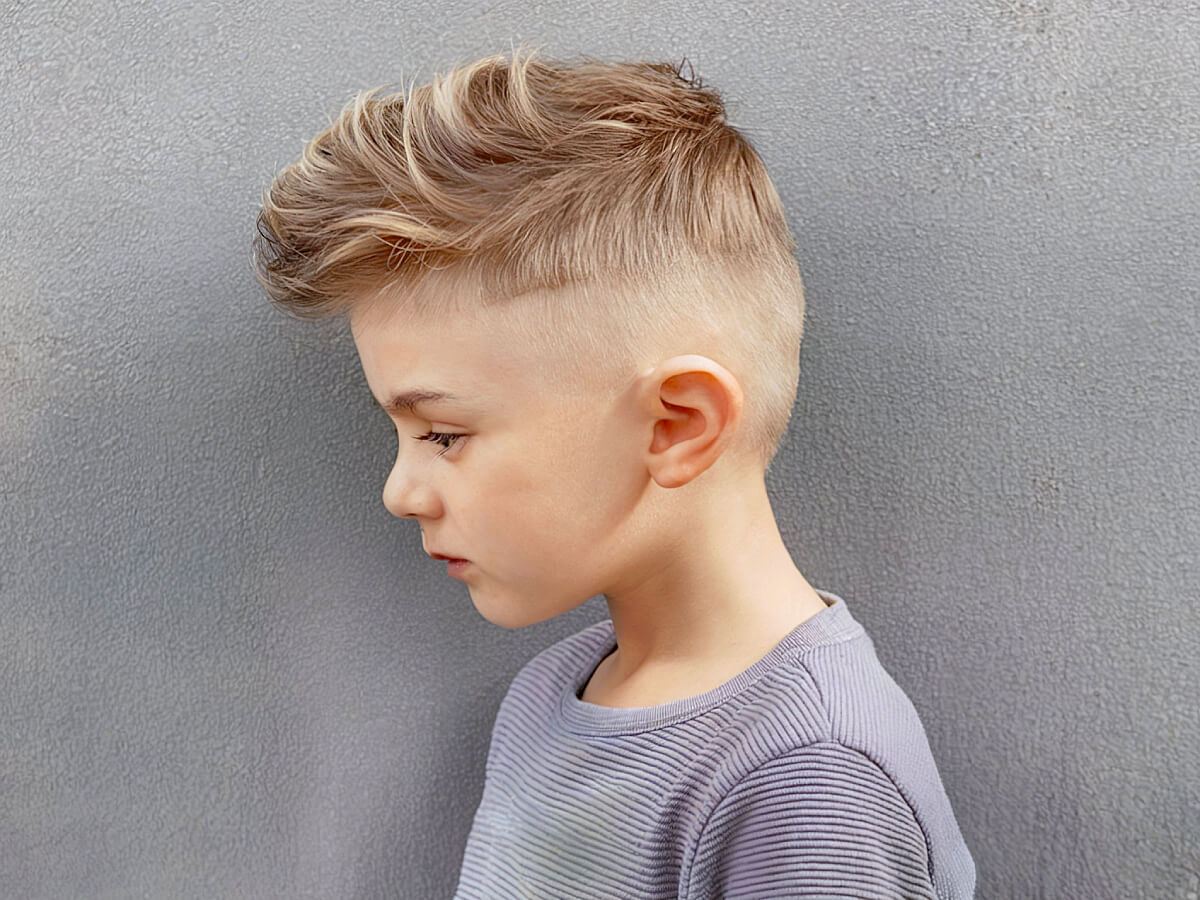
Medium hair provides movement without the commitment of a long cut. Good layering prevents the fringe and sides from becoming heavy.
The best shape should stay comfortable around the eyes and ears. It should also work with the hair’s natural part.
17. Surfer Curtains
Surfer curtains have a center or slightly off-center part with loose, face-framing movement. The shape feels relaxed rather than sharply styled.
This cut works best on straight, wavy, or loose-curly hair. Fine hair may need light blow-drying for lift.
Ask the stylist: “Keep four to six inches on top, add connected layers, and create a soft center split.”
Styling difficulty: Moderate
Maintenance: Every 8–10 weeks
18. Off-Center Curtain Cut
An off-center curtain cut follows a natural part that does not sit exactly in the middle. This often works better with a strong cowlick.
The uneven split creates a less formal shape while keeping the front away from the eyes.
Ask the stylist: “Follow his natural part and layer the front so it opens without forcing a center line.”
Styling difficulty: Easy to moderate
Maintenance: Every 8–10 weeks
19. Layered Mop Top
The layered mop top keeps rounded fullness through the top and sides. Internal layers prevent it from becoming one heavy bowl shape.
It suits straight, wavy, and thick hair. Regular trims around the eyes and ears keep it school-friendly.
Ask the stylist: “Keep a rounded mop shape, remove internal weight, and soften the fringe and ear area.”
Styling difficulty: Easy
Maintenance: Every 6–9 weeks
20. Medium Textured Fringe
This style keeps the top longer and directs textured pieces toward the forehead. The fringe should separate naturally rather than form a solid wall.
It works well for thick straight or wavy hair. Boys with a strong upward hairline may prefer a side sweep.
Ask the barber: “Leave the fringe near the eyebrows, break up the ends, and keep the sides softly connected.”
Styling difficulty: Easy to moderate
Maintenance: Every 5–8 weeks
21. Classic Scissor Cut
A classic scissor cut maintains natural fullness around the head. It avoids the sharp contrast created by tightly clipped sides.
This is a useful option for boys who dislike fades or visit the salon less often. It works across many textures.
Ask the stylist: “Use scissors throughout, keep the sides soft, and shape the hair around its natural growth.”
Styling difficulty: Easy
Maintenance: Every 7–10 weeks
22. Medium Side-Swept Cut
A longer fringe moves diagonally across the forehead and blends into layered sides. The sweep can look casual or neat.
This style works best when the hair naturally grows to one side. Forcing it against a cowlick creates more morning work.
Ask the stylist: “Follow the natural side direction, keep the fringe light, and blend it into medium layers.”
Styling difficulty: Moderate
Maintenance: Every 6–8 weeks
23. Fluffy Layered Cut
The fluffy cut uses crown layers and a longer fringe to create airy volume. It should move naturally instead of looking heavily teased.
Straight or wavy hair with medium density usually produces the easiest result. Very thick hair may need controlled weight removal.
Ask the stylist: “Add light crown layers and a longer textured fringe, but keep enough weight for fullness.”
Styling difficulty: Moderate
Maintenance: Every 6–9 weeks
24. Mini Shag
A mini shag combines crown layers, a loose fringe, and slightly longer hair near the ears and nape. The finish is deliberately relaxed.
It suits wavy, curly, and thick hair particularly well. Fine hair needs fewer layers to preserve density.
Ask the stylist: “Create soft shag layers through the crown and fringe without making the ends thin.”
Styling difficulty: Easy to moderate
Maintenance: Every 7–10 weeks
Longer Haircuts for 12-Year-Old Boys

Longer hair can still look neat when the perimeter and internal weight are managed. Regular small trims prevent damaged ends without sacrificing progress.
Before choosing a longer style, consider helmets, swimming, school rules, and whether the hair must tie back.
25. Layered Surfer Cut
This cut falls around the ears or jaw with loose layers that encourage natural movement. It looks best when the ends remain soft.
Wavy hair often air-dries into the shape easily. Straight hair may need light styling to avoid lying flat.
Ask the stylist: “Keep the length around the ears and neck, then add long, connected layers for movement.”
Styling difficulty: Easy to moderate
Maintenance: Every 8–12 weeks
26. Brushed-Back Flow
Flow hair is long enough to move backward from the forehead and curve around the ears. It avoids a fixed part or rigid finish.
It works well on medium-to-thick wavy hair. A small amount of lightweight cream can control flyaways.
Ask the stylist: “Keep enough front length to sweep back and use connected layers through the sides and crown.”
Styling difficulty: Moderate
Maintenance: Every 8–12 weeks
27. Long Curtain Cut
Long curtains split near the center and frame the face. The front may reach the cheekbones, while the sides cover part of the ears.
This shape suits straight, wavy, and loose-curly hair. A long or narrow face may benefit from some side fullness.
Ask the stylist: “Keep cheekbone-length front pieces and blend them into long layers around the ears.”
Styling difficulty: Moderate
Maintenance: Every 8–12 weeks
28. Neck-Length Layered Cut
This haircut reaches the nape and uses long layers to control weight. The perimeter can be rounded or slightly squared.
It works for thick straight, wavy, and curly hair. Boys with fine hair should keep the layers minimal.
Ask the stylist: “Keep the nape length, add long internal layers, and avoid thinning the perimeter.”
Styling difficulty: Moderate
Maintenance: Every 8–12 weeks
29. Long Top With Scissor-Tapered Sides
This cut leaves four or more inches above while keeping the sides shorter with scissors. It has less contrast than an undercut.
It offers enough length for a fringe, sweep, quiff, or loose curtains. The softer sides grow out more naturally.
Ask the barber: “Keep at least four inches on top and scissor-taper the sides without disconnecting them.”
Styling difficulty: Moderate
Maintenance: Every 6–9 weeks
30. Side-Swept Undercut
The top remains long while the sides are cut much shorter. Unlike a connected cut, the two areas have a clear separation.
This is a bold choice and requires regular side maintenance. Thick straight hair usually holds the sweep most easily.
Ask the barber: “Keep the top disconnected and long enough to sweep across, with softly clipped sides.”
Styling difficulty: Moderate to high
Maintenance: Every 4–6 weeks
31. Soft Mini Mullet
A mini mullet keeps extra length at the nape without creating an extreme tail. The front and sides remain textured and wearable.
The cut can suit straight, wavy, curly, or coily hair. A soft taper makes it easier to wear at school.
Ask the barber: “Leave controlled length at the nape, texture the top, and keep the side transition soft.”
Styling difficulty: Easy to moderate
Maintenance: Every 6–8 weeks
32. Modern Wolf Cut
A wolf cut combines shaggy crown layers with longer movement toward the back. The 2026 version is softer and more wearable than an extreme mullet.
It works especially well on wavy, curly, or thick hair. Fine hair needs careful layering to avoid weak ends.
Ask the stylist: “Add choppy crown layers and a soft fringe while preserving weight through the back.”
Styling difficulty: Moderate
Maintenance: Every 7–10 weeks
Curly and Coily Haircuts for 12-Year-Old Boys
Curly and coily hair should be shaped around the pattern it forms when dry. Cutting without considering shrinkage can make the finished fringe much shorter than planned.
Avoid treating every uneven curl as a mistake. Curl groups sit differently from one wash day to another.
33. Curly Top With Low Taper
This cut keeps natural curls full above while cleaning only the temples and neckline. It creates definition without removing useful side volume.
It is one of the most flexible choices for loose, medium, or tight curls.
Ask the barber: “Preserve complete curls on top, taper the temples and neck, and check the dry shape.”
Styling difficulty: Easy
Maintenance: Every 5–8 weeks
34. Rounded Afro
A rounded Afro follows the natural volume of coily hair. The goal is an even silhouette, not compressed or flattened texture.
The finished size can be adjusted to suit comfort, school, sports, and home care.
Ask the barber: “Shape a balanced rounded outline while preserving natural density and checking all angles.”
Styling difficulty: Moderate
Maintenance: Every 6–10 weeks
35. Curly Fringe
Selected curls fall toward the forehead while the sides remain connected or tapered. The fringe should be evaluated after shrinkage.
This style suits boys who want visible curls around the face. Keep enough length to prevent an unexpectedly short front.
Ask the barber: “Leave the front curls longer, shape them when dry, and keep the eyes comfortably clear.”
Styling difficulty: Moderate
Maintenance: Every 6–8 weeks
36. Coily High Top
The coily high top keeps controlled height above shorter, blended sides. The top may be rounded, softly squared, or naturally shaped.
A very sharp version needs frequent appointments. A shadow fade creates an easier grow-out.
Ask the barber: “Keep balanced height on top, use a shadow fade, and avoid cutting into the natural front line.”
Styling difficulty: Moderate
Maintenance: Every 4–7 weeks
37. Curly Faux Hawk
A curly faux hawk concentrates visible volume through the center without requiring fully shaved sides. It can lie flatter on quieter days.
This is a practical way to try a bold shape without choosing a traditional mohawk.
Ask the barber: “Keep the center curls longer, taper the sides softly, and preserve enough width for balance.”
Styling difficulty: Moderate
Maintenance: Every 5–7 weeks
38. Layered Medium Curls
Longer curls are shaped with selective layers that distribute volume. The stylist should avoid thinning every curl group.
This cut works when a boy wants length without a wide, bottom-heavy shape.
Ask the stylist: “Use long curl-by-curl layers, preserve the perimeter, and check the balance after drying.”
Styling difficulty: Moderate
Maintenance: Every 8–12 weeks
39. Temple Fade With Coils
A temple fade creates clean edges near the front while preserving coils through the sides, crown, and back.
It gives definition without the maintenance demands of a complete skin fade.
Ask the barber: “Fade only the temples, keep the sides connected, and preserve the natural coil pattern.”
Styling difficulty: Easy to moderate
Maintenance: Every 5–7 weeks
40. Coily Burst Taper
This cut curves a short taper around each ear while keeping fuller coils above and behind. It can support a rounded top or subtle mini mullet.
The shape is expressive but remains adjustable. A lower burst creates a softer result.
Ask the barber: “Use a low burst taper around the ears and preserve fullness through the crown and back.”
Styling difficulty: Moderate
Maintenance: Every 4–7 weeks
Best Haircuts for Straight, Wavy, Thick, and Fine Hair
Hair density and texture affect how a haircut sits after leaving the barber. A style shown on thick wavy hair may look completely different on fine straight hair.
Use the following recommendations as a starting point rather than a strict rule.
| Hair Type | Strong Choices | Use Caution With |
|---|---|---|
| Fine straight hair | Crew cut, Caesar, blunt crop, Ivy League | Heavy thinning and oily products |
| Thick straight hair | Textured crop, curtains, layered mop | Heavy blunt fringes |
| Wavy hair | Surfer curtains, shag, flow, low taper | Cutting too short for waves to form |
| Loose curls | Curly fringe, taper, layered curls | Ignoring dry shrinkage |
| Tight curls or coils | Rounded Afro, temple fade, high top | Removing too much side weight |
| Double crown | Textured crop, crew cut, layered scissor cut | Very short crown cutting |
| Strong front cowlick | Side sweep, quiff, off-center curtains | Forcing a blunt fringe downward |
How to Make Fine Hair Look Fuller
Fine hair usually appears fuller when the outline remains compact.
• Keep layers limited.
• Avoid aggressive thinning shears.
• Choose matte, lightweight styling products.
• Keep the top short enough to resist separation.
• Use a gentle side direction instead of a wide, exposed part.
How to Control Thick Hair
Thick hair needs shape, not random thinning.
• Remove weight inside the haircut.
• Preserve enough length to prevent sticking up.
• Avoid cutting every section equally short.
• Use longer layers for medium styles.
• Ask the stylist how the cut will expand after washing.
Haircuts for Cowlicks and Double Crowns
Cowlicks and double crowns are normal growth patterns. Fighting them usually creates more styling work and unpredictable regrowth.
A barber should inspect the crown and front hairline before wetting the hair. Dry hair reveals its natural direction more clearly.
Front Cowlick
Strong options include:
• Side-swept fringe
• Short quiff
• Textured crop
• Off-center curtains
• Short spiky cut
Avoid requesting a heavy straight fringe if the front naturally lifts upward.
Double Crown
A double crown may stand up when cut too short. It may also split when left at an awkward middle length.
Better options include:
• A short crew cut that follows the crown
• A textured crop with enough crown weight
• A medium layered scissor cut
• A shag or flow cut that works with movement
Tell the barber where the hair separates after washing. Do not hide the crown beneath a hat before the consultation.
Choosing a Haircut by Face Shape
Face shape can guide a haircut, but it should not control the decision. Hair texture, growth patterns, glasses, and personal preference matter just as much.
The goal is not to “correct” a face. It is to create a comfortable shape that the boy enjoys wearing.
Round Face
Try modest height with neat but not extremely tight sides.
Good options include:
• Textured crop
• Short quiff
• Ivy League
• Low taper with volume
Oval Face
Oval faces can wear most balanced styles.
Good options include:
• Crew cut
• Curtains
• Curly taper
• Side sweep
• Layered scissor cut
Square Face
Soft texture can complement naturally defined angles.
Good options include:
• French crop
• Soft taper
• Curly top
• Medium shag
Long or Narrow Face
Avoid excessive height if it makes the overall shape feel stretched.
Good options include:
• Surfer curtains
• Layered mop top
• Medium scissor cut
• Side-swept fringe
• Fuller curly shapes
Heart-Shaped Face
A fringe or moderate side fullness can create a balanced outline.
Good options include:
• Textured fringe
• Curtains
• Mini shag
• Curly fringe
Best School and Sports Haircuts
School policies differ across the United States. Check local rules before choosing shaved artwork, bright color, an extreme undercut, or a dramatic skin fade.
A school-friendly cut can still have personality. Focus on comfort, visibility, and easy morning care.
Best for Busy School Mornings
• Modern crew cut
• Short Caesar
• Textured crop
• Low taper
• Short curly crop
• Classic scissor cut
Best for Football, Baseball, or Cycling Helmets
• Crew cut
• Buzz cut
• Short textured crop
• Low taper
• Short curly crop
Medium hair can also work if it fits beneath the helmet without pressure points.
Best for Swimming
• Buzz cut
• Crew cut
• Short Caesar
• Curly crop
• Layered surfer cut
Longer swimmers may prefer enough length to secure the hair away from the face.
Best Haircuts That Grow Out Well
These cuts usually tolerate more time between appointments:
• Low taper
• Scissor cut
• Surfer curtains
• Layered mop top
• Medium shag
• Brushed-back flow
• Layered curls
High skin fades and sharp designs show regrowth faster.
Fade vs. Taper vs. Scissor Cut
These terms are often confused. Understanding the difference helps prevent an unwanted result.
| Technique | What It Looks Like | Upkeep | Best For |
|---|---|---|---|
| Skin fade | Blends down to bare or nearly bare skin | High | Strong contrast |
| Shadow fade | Leaves visible hair at the shortest point | Medium | Softer fade |
| Low taper | Cleans temples and neckline | Low to medium | Natural grow-out |
| Clipper cut | Uses guards through most short areas | Medium | Crew and buzz cuts |
| Scissor cut | Keeps softer, longer sides | Lower | Medium and flowing styles |
| Undercut | Creates a clear break between top and sides | Medium to high | Bold long-top styles |
Choose a taper when soft edges and easy grow-out matter most. Choose a fade for stronger contrast.
Choose a scissor cut when the sides should stay fuller or move naturally.
Clipper Guard Sizes Parents Should Know
Guard sizes vary slightly by clipper system, but these common lengths provide a useful reference.
| Guard | Approximate Length | General Appearance |
|---|---|---|
| No. 1 | ⅛ inch | Very short; scalp may show |
| No. 2 | ¼ inch | Short with visible coverage |
| No. 3 | ⅜ inch | Soft and practical |
| No. 4 | ½ inch | Fuller short cut |
| No. 5 | ⅝ inch | Longer clipper finish |
| No. 6 | ¾ inch | Soft, fuller sides |
| No. 7 | ⅞ inch | Long clipper cut |
| No. 8 | 1 inch | Very full clipper finish |
Do not request one guard across the entire head unless a uniform buzz cut is intended. Most shaped cuts combine several lengths.
For a softer result, ask the barber to start longer. More hair can be removed, but it cannot be put back.
What to Ask the Barber or Stylist
A haircut name alone may not produce the expected result. Different professionals can interpret “taper,” “fluffy cut,” or “textured fringe” differently.
Bring two or three reference photos showing the front, sides, and back. Choose examples with similar texture and density.
Use This Barber Request Checklist
Tell the professional:
• How much top length should remain
• Whether the fringe must stay above the eyes
• Where the fade or taper should begin
• Whether the sides should show scalp
• How the neckline should look
• Whether the ears should remain covered
• How much morning styling is realistic
• How often another appointment is possible
• Whether helmets or hats are worn regularly
• Which part of the reference photo matters most
Sample Barber Script
“Please leave about three inches on top with broken texture. Use a low number-two taper around the temples and neck. Keep the sides connected, leave the front above his eyes, and use a natural neckline.”
Let the Child Join the Consultation
A 12-year-old should have a voice in the decision. Ask what he likes about the reference photo.
He may care about the fringe, side length, texture, or overall shape. That detail can be more useful than the haircut’s name.
Simple Styling Products by Hair Type
Children usually need less styling product than adults. Start with a pea-sized amount and add more only when necessary.
Avoid placing strong products on an irritated scalp. Stop using anything that causes discomfort, redness, or itching.
| Product | Best For | Finish |
|---|---|---|
| Lightweight cream | Curtains, flow, curls | Soft and flexible |
| Matte paste | Crops, quiffs, spikes | Low shine, medium hold |
| Light mousse | Fine, wavy, or curly hair | Volume and movement |
| Curl cream | Dry or loosely defined curls | Soft definition |
| Light gel | Curls and structured shapes | Stronger hold |
| Leave-in conditioner | Longer curls and coils | Moisture and slip |
Fast Styling Routine for a Textured Crop
- Dampen the top lightly.
- Rub a pea-sized amount of matte paste between the hands.
- Move the hair forward and slightly sideways.
- Pinch a few pieces for separation.
Fast Styling Routine for Curtains
- Dampen the front.
- Find the natural center or off-center split.
- Direct each side away from the face.
- Air-dry or use low heat briefly.
Fast Styling Routine for Curls
- Apply a small amount of leave-in conditioner or curl cream.
- Work it through damp hair gently.
- Scrunch without rough towel drying.
- Air-dry or use a diffuser on low heat.
Haircut Cost and Appointment Timing in the USA
Haircut prices vary by city, salon, barber experience, and service type. Children’s cuts may cost less than adult appointments, but detailed fades and designs can cost more.
Check local pricing before booking. Ask whether shampooing, styling, designs, or neck cleanup cost extra.
General Trim Timing
• Skin fade: approximately 2–4 weeks
• Low or shadow fade: approximately 3–5 weeks
• Taper: approximately 5–7 weeks
• Crew or crop: approximately 4–6 weeks
• Medium scissor cut: approximately 6–10 weeks
• Longer layered cut: approximately 8–12 weeks
• Curly or coily shape: approximately 6–12 weeks
A neckline or fringe cleanup can extend the life of some cuts without repeating the full service.
Common Haircut Mistakes to Avoid
A disappointing result often begins with unclear expectations. Discuss the shape, upkeep, and natural growth pattern before cutting starts.
Choosing a Photo With Different Hair
A straight, fine fringe will not fall like dense curls. Select references with similar texture and thickness.
Asking Only for a Haircut Name
Terms such as “taper” and “fluffy haircut” are interpreted differently. Explain the desired lengths and finish.
Cutting Curly Hair Too Short
Wet curls may appear longer than dry curls. Leave room for shrinkage and check the dry result.
Ignoring Cowlicks
A forced fringe or part may spring back within hours. Follow the natural direction when possible.
Choosing a High-Maintenance Fade
A tight fade may look excellent on the first day but lose its shape quickly. Choose a taper if appointments are less frequent.
Removing Too Much Weight From Fine Hair
Heavy thinning can make fine hair look sparse. Preserve density through the fringe and perimeter.
Over-Thinning Thick Hair
Too many short internal pieces may stick up during regrowth. Remove bulk selectively.
Letting Adults Make Every Decision
A technically good haircut can still fail if the child dislikes it. Agree on the main features together.
What to Do If He Dislikes the Haircut
Do not rush into another major cut on the same day. First identify the exact problem.
Is the fringe too short? Are the sides too tight? Is the top too bulky? Does the styling look different from the reference?
Minor issues may improve after washing and styling at home. Uneven blending, heavy bulk, or an awkward perimeter may need professional correction.
Avoid trying to repair a fade or layered cut with household scissors. Contact the salon and explain the concern calmly.
Frequently Asked Questions
What haircut is best for a 12-year-old boy?
The best haircut matches his natural texture, daily routine, and personal preference. Textured crops, crew cuts, low tapers, curly tapers, and layered scissor cuts are flexible choices.
Let him participate in the decision. He is more likely to maintain a haircut he helped select.
What is the easiest boys’ haircut to maintain?
A crew cut, soft buzz cut, Caesar, or short textured crop requires minimal daily styling. A low taper can also be easy if the top follows its natural direction.
Very tight fades require little morning styling but more frequent barber visits.
What haircut makes fine hair look thicker?
A compact crew cut, blunt textured crop, Caesar, or Ivy League can create a fuller outline. Avoid aggressive thinning and heavy, oily products.
Shorter hair often separates less than an overgrown top.
Is a taper easier to maintain than a fade?
A taper usually grows out more softly because only the temples and neckline become very short. A complete fade creates greater contrast and shows regrowth sooner.
Choose a taper when appointments need to be spaced farther apart.
What haircut works with a front cowlick?
Side sweeps, short quiffs, textured crops, and off-center curtains often work well. These styles use the cowlick’s natural direction.
A heavy straight fringe may require more daily control.
Should curly hair be cut wet or dry?
Some professionals use both methods. A dry check is valuable because it reveals shrinkage, curl position, and the finished silhouette.
Choose a barber or stylist experienced with the child’s curl pattern.
How long should the top be for fluffy hair?
Many fluffy styles need about three to five inches on top. The exact length depends on density, texture, and how easily the hair lifts.
Fine straight hair may need shorter layers, while thick hair may need controlled internal weight removal.
What guard should a 12-year-old get on the sides?
There is no universal best guard. A No. 2 or No. 3 creates a short finish with visible coverage, while longer guards look softer.
Ask the barber to begin longer if the family is uncertain.
Are skin fades appropriate for school?
Many schools allow them, but appearance policies vary. Check local rules before adding designs, hard parts, or dramatic transitions.
A low shadow fade or taper provides a softer alternative.
Should a boy go to a barber or hairstylist?
A barber may be ideal for fades, tapers, clipper cuts, and line work. A hairstylist may be better for longer layers, shags, curtains, and detailed scissor shaping.
Experience with the desired cut and hair texture matters more than the job title.
Conclusion
The best 12-year-old boy haircuts are not chosen by trend alone. Hair texture, cowlicks, school routines, sports, styling time, and trim frequency all matter.
Start with two realistic reference photos and use the Texture–Time–Trim Test. Then ask the barber or stylist to adapt the chosen look to his real hair, comfort, and personality.