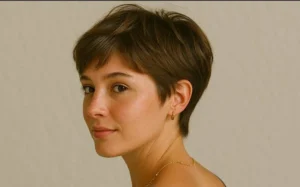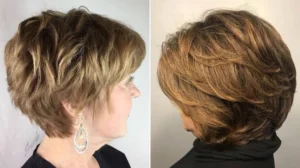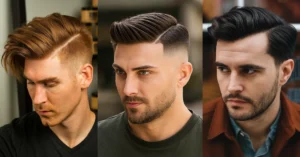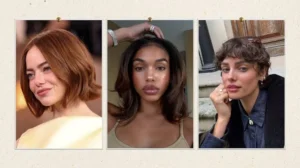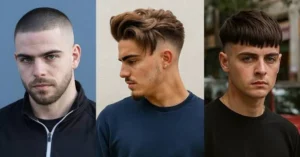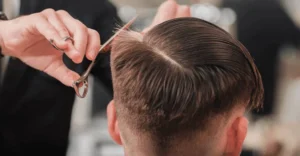
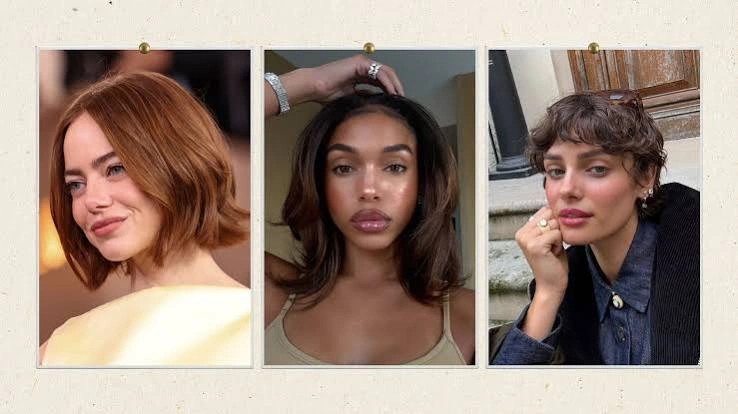
Short hairstyles have moved past the idea of a single “safe” cut. In 2026, short hair covers everything from a cropped pixie to a jaw-length bob with soft layers, and stylists are leaning into shapes that work with your natural texture instead of forcing it into one mold. If you’re considering going short, the real question isn’t just “which style is trendy” — it’s which short hairstyle actually fits your hair type, face shape, and how much time you want to spend styling it each morning. This guide breaks that down clearly, with practical guidance you can bring straight to your next appointment.
Quick Answer
A short hairstyle generally refers to any haircut that sits above the shoulders, ranging from a closely cropped pixie to a chin-length bob or lob. The best short hairstyle for you depends less on a single “trendy” name and more on your hair’s natural texture, density, and your face’s proportions — a soft, layered pixie tends to suit fine or wavy hair, while a blunt bob often holds shape better on thick or straight hair.
TL;DR
- “Short” generally spans: buzzed styles through chin-length bobs and lobs
- Popular categories: pixie, bixie, bob, lob, shag, crop, undercut
- Best for fine hair: textured pixies and cropped shags that create the illusion of density
- Best for thick hair: blunt bobs and box bobs that hold clean shape
- Face shape: used as guidance, not a rule — height, layering, and fringe placement matter more than the label “best for your face”
- Maintenance: most short cuts need a trim every 4–8 weeks to hold their shape
- Main takeaway: choose based on texture and lifestyle first, trend second
What Counts as a “Short Hairstyle”?
There’s no single industry-wide ruler for “short,” but most stylists and haircare publications treat it as anything from a very close crop up to a chin-or-jaw-length bob. That range includes pixies, cropped shags, bixies (a pixie-bob hybrid), box bobs, and lobs that sit just below the jaw. Anything that falls above the shoulders is usually grouped into the “short hairstyle” category, even though the styling requirements at each end of that range are very different.
Popular Short Hairstyle Categories
Short hair isn’t one style — it’s a family of cuts with different structures:
- Pixie cut — very short all over, often with longer, textured pieces on top
- Bixie — a pixie-bob hybrid that hits just below the ears with more movement
- Bob — a classic blunt or layered cut ending at or above the jaw
- Box bob — a sharp, geometric bob with a defined blunt edge
- Lob (long bob) — the longest end of “short,” typically grazing the collarbone
- Shag — heavily layered and textured, often with a fringe
- Crop — short and close, frequently paired with a fringe or undercut sides
Short Hairstyle Trends for 2026
Current stylist coverage points to a shift away from dramatic, high-maintenance shapes toward precision cuts that work with natural texture. Trending names this year include the “trixie” — a softer, more textured update to the classic pixie — along with the bixie, box bob, and soft micro bob. Stylists describe 2026’s overall short-hair mood as strong shapes paired with softness, keeping density rather than over-texturizing so each cut feels intentional and polished without looking overdone. The trixie in particular balances precise structure with airy texture, giving it a more lived-in feel than a classic pixie, and can be worn slicked back or forward with a textured fringe.
Best Short Hairstyles for Straight Hair
Straight hair holds sharp lines well, which makes it a strong match for blunt bobs, box bobs, and structured pixies. Because straight strands don’t add natural volume, a stylist may build in slight layering at the crown to prevent the style from looking flat.
Best Short Hairstyles for Wavy Hair
Wavy hair brings natural movement, so shags, textured bobs, and softer pixies tend to work well — the waves fill in the shape without much extra styling effort. A blunt, heavy bob can sometimes fight natural wave pattern, so layering is often used to let the texture show.
Best Short Hairstyles for Curly Hair
Curls shrink upward as they dry, so length that looks like a lob on paper can sit closer to jaw or chin length once curls settle. Rounded shapes like curly bobs, curly pixies with extra length on top, and shag-influenced cuts tend to work with the curl pattern rather than against it. Many curl specialists prefer to check and adjust the shape while the hair is dry, since wet curls stretch and don’t show the true finished silhouette.
Best Short Hairstyles for Coily Hair
Coily hair has significant shrinkage, so a cut measured at a certain length can appear noticeably shorter once dry. Rounded, evenly shaped crops and short afros tend to hold their form well, while asymmetrical or heavily one-length cuts can be harder to maintain evenly as the hair dries and shrinks.
Thick Hair vs. Fine Hair: Adjusting the Cut
Hair density changes how the same haircut name behaves on different people:
- Thick hair often benefits from weight removal (thinning shears or point-cutting) so a bob or crop doesn’t look bulky
- Fine hair often benefits from blunt lines and minimal layering, since too many layers can make fine hair look thinner and wispy
- Both can wear most short styles — the difference is usually in the finishing technique, not the style name itself
Short Hairstyles by Face Shape
| Face Shape | Often Works Well | Why |
|---|---|---|
| Oval | Most short styles, including pixies and blunt bobs | Balanced proportions suit a wide range of shapes |
| Round | Textured pixies, angled lobs, side-swept fringe | Added height and angles can create a lengthening effect |
| Square | Soft, layered bobs with rounded ends | Softens strong jawline angles |
| Heart | Chin-length bobs, side-swept bangs | Adds width near the jaw to balance a wider forehead |
| Diamond | Cropped pixies, textured fringe | Softens width at the cheekbones |
Short Hairstyles for Round Faces
Round faces are typically as wide as they are long, with softer jaw and forehead lines. Adding a bit of lift at the crown draws the eye upward, creating the illusion of a longer, more oval-shaped face, which helps balance the natural fullness of a round face. A textured pixie with volume on top, or a slightly longer, angled bob, can add that structure without fighting the face’s natural softness.
Short Hairstyles for Oval Faces
Oval faces are considered the most versatile face shape, with balanced proportions that work well with virtually any hairstyle, from short pixies to longer layered looks. If you have an oval face, the decision usually comes down to hair type and lifestyle rather than shape-driven restrictions.
Short Hairstyles for Square Faces
Square faces tend to have a strong, defined jawline and roughly equal width at the forehead, cheeks, and jaw. Soft layers, rounded bob edges, and side-swept fringe can soften those angles, while very blunt, geometric cuts can sometimes emphasize the jaw’s sharp lines.
Short Hairstyles for Heart-Shaped Faces
Heart-shaped faces are typically widest at the forehead and narrower at the chin. A chin-length bob or lob with soft, side-swept bangs can add visual width near the jaw, helping balance the narrower lower face.
Low-Maintenance Short Hairstyle Options
If daily styling time is the priority, look for cuts that rely on natural texture rather than heat tools:
- A cropped shag that air-dries into shape
- A blunt bob with minimal layering (less to style, less to frizz)
- A short curly cut shaped to work with your curl pattern instead of against it
Note: “Low maintenance” still usually means a trim every 4–6 weeks to hold the shape — short hair grows out visibly faster than long hair.
How to Ask a Barber or Stylist for a Short Haircut
Bringing a clear, specific request (ideally with a reference photo) gets you closer to the result you want. Be ready to describe:
- Overall length — where you want the shortest and longest points
- Fringe/bangs — whether you want one, and how heavy
- Layers — heavy texture or a more blunt, solid shape
- Sides — tapered, undercut, or left fuller
- Styling routine — how much time you realistically want to spend each morning
Keep in mind that the same haircut name can look different depending on your natural texture and density, so a reference photo helps your stylist translate the look to your hair specifically.
Styling Short Hair Day to Day
Most short styles fall into one of two routines: texture-and-go (finger-dried or air-dried with a light product) or structured (blow-dried and shaped with a round brush or flat iron). Textured pixies, shags, and curly crops usually favor the first; blunt bobs and box bobs usually need more deliberate blow-drying to hold their line.
How Often to Trim Short Hair
Because short hair shows growth more visibly than long hair, most short styles need a trim roughly every 4 to 8 weeks to keep their shape, with more structured cuts (like a box bob) generally needing more frequent visits than looser, textured styles.
Growing Out a Short Hairstyle Without the Awkward Stage
If you’re transitioning out of a short cut, regular trims that gradually shift the shape (rather than letting it grow untouched) help avoid the bulky, shapeless “in-between” stage. Face-framing layers and a soft fringe are common tools stylists use to bridge the growth process.
Common Mistakes When Choosing a Short Hairstyle
- Picking a style based only on a celebrity photo without accounting for hair texture or density
- Assuming “short” means “no maintenance” — most short cuts need more frequent trims, not fewer
- Going very short without discussing a growing-out plan first
- Ignoring how curl shrinkage will affect the final length on curly or coily hair
Who Should Consider a Short Hairstyle?
Short hair can suit people who want a low-effort daily styling routine, enjoy a bolder change, or want a cut that shows off jawline and neckline. It often works well for fine hair that struggles to hold volume when it’s long.
Who May Prefer a Longer Style Instead?
If you want maximum styling versatility (updos, braids, varied part options) or prefer fewer salon visits between cuts, a longer length may fit your lifestyle better, since short hair generally requires more frequent trims to hold its shape.
Frequently Asked Questions
What length is considered a “short hairstyle”?
Generally anything from a close crop up to a chin-or-collarbone-length bob or lob. There’s no strict industry cutoff, but most guides group these lengths together.
Is short hair actually easier to maintain than long hair?
It depends. Daily styling can be quicker, but most short cuts need a trim every 4–8 weeks to hold their shape, which is more frequent than longer styles typically require.
What’s the difference between a pixie and a bixie?
A pixie is cropped short all over, often with a bit of length on top. A bixie is a pixie-bob hybrid that sits lower, usually just below the ears, with more length and movement.
Can curly hair wear the same short styles as straight hair?
Not exactly the same way — curl shrinkage means the same measured length looks shorter once curls settle, so cuts are usually shaped with that shrinkage in mind.
Will a short hairstyle suit my face shape?
Face shape is a helpful starting point, not a strict rule. Height, layering, and fringe placement usually matter more than the shape label itself, and a skilled stylist can adjust almost any short style to flatter your features.
Test Your Understanding
1. Which of these is generally considered the longest length still grouped under “short hairstyles”?
A. Buzz cut
B. Pixie cut
C. Lob (long bob)
D. Micro bob
2. Why might curly hair need extra length built into a cut compared to straight hair for the same finished look?
A. Curly hair grows faster
B. Curls shrink upward as they dry, so the finished length appears shorter
C. Curly hair holds color differently
D. Curly hair doesn’t respond to layering
3. What is generally true about styling short hair and face shape?
A. Only one haircut ever suits a given face shape
B. Face shape should be ignored completely
C. Face shape is useful guidance, but height, layering, and fringe matter more than a strict rule
D. Round faces should never wear short hair
4. Roughly how often do most short hairstyles need a trim to hold their shape?
A. Every 6 months
B. Every 4 to 8 weeks
C. Once a year
D. Only when it reaches the shoulders
5. What is a “bixie”?
A. A very long layered cut
B. A pixie-bob hybrid that sits just below the ears
C. A style exclusively for curly hair
D. A term for an undercut
Answer Key & Explanations
- C — A lob (long bob) sits near the collarbone, making it the longest length still generally grouped under “short.”
- B — Curl pattern causes hair to shrink upward as it dries, so a length that looks longer wet or measured straight will appear shorter once curls settle.
- C — Face shape guidance works best as a flexible starting point; layering, height, and fringe placement do more of the flattering work than the shape category alone.
- B — Most short cuts need a trim every 4–8 weeks to keep their shape as hair grows out.
- B — A bixie blends pixie and bob characteristics, typically landing just below the ears with more movement than a classic pixie.
Conclusion
Choosing a short hairstyle comes down to matching the cut to your hair’s natural texture and density first, then adjusting for face shape and lifestyle. A style that looks effortless on one hair type can require real daily work on another, so bring your natural texture — not just a photo — into the conversation with your stylist. Once you land on a shape that fits, staying on a regular trim schedule is what keeps it looking intentional rather than overgrown.
Related Haircut & Hairstyle Guides
5 Best Hair Styles for Women in 2026
Hair Styles for Women That Look Fresh in 2026
35 Best Long Pixie Haircuts for Every Hair Type in 2026
Braided Hairstyles: 45+ Best Braid Styles for Every Hair Type, Length, and Lifestyle
Layered Haircuts vs Non-Layered: Which Cut Is Right for You?